

A myriad of delightful hairstyles can be effortlessly embraced to enhance your hair’s appeal. Engage in charming French braids, opt for a classic bun, or infuse vibrant hues into your locks. Experience beach waves one day and achieve a sleek, glass-like texture the next. While these choices exude beauty, caution is warranted! Excessive processes, such as over-lightening, relentless styling, or undue manipulation, may render your hair fragile, damaged, and prone to breakage. In this post we will talk about how repair damaged hair and discover effective remedies for restoring and revitalizing your hair.
Damaged Hair Problems You Should Repair

Dull and Thirsty Hair
When hair is damaged, the natural oils in its protective layer are removed, leaving it lackluster and lifeless. Shampoos containing harsh chemicals can further strip away the natural oils from both the hair and scalp. Overwashing your hair can also make it vulnerable to damage by depriving it of essential oils. To counter this, it’s essential to use suitable products to safeguard and restore the health of damaged hair.
Untangle and Revitalize Damaged Hair
Damaged hair is prone to tangling due to the raised cuticles causing friction between strands, leading to entanglement. This issue worsens when the hair lacks moisture. Employ a wide-tooth comb, starting from the ends and moving upward, to address this problem. Various solutions, including sprays, conditioners, oils, and detangling masks, are readily available to assist in revitalizing and untangling the hair.
Taming the Frizz Challenge
The frustrating phenomenon of frizz arises when the hair’s cuticle fails to lie flat on the surface. This issue extends its influence to various aspects of the hair, encompassing the crown, surface, tips, and ends. Multiple factors, including humidity and damaged hair, contribute to the development of frizz. Fortunately, an effective solution lies in the use of specialized serums. A diverse range of products is available, tailored to different hair types, ensuring that you can find the one best suited to your specific needs for repairing damaged hair and managing frizz.
Addressing Hair Damage: Breakage, Split Ends, and Brittleness
One of the common manifestations of hair damage is the occurrence of split ends, where a single strand breaks into two, causing the hair to become dry and brittle, making it more susceptible to breakage. Resolving this issue requires a multifaceted approach. Techniques such as hair dusting, combined with the application of nourishing conditioners and revitalizing serums, significantly contribute to repairing split ends and restoring the overall health of your hair.
Indicators of Hair Damage
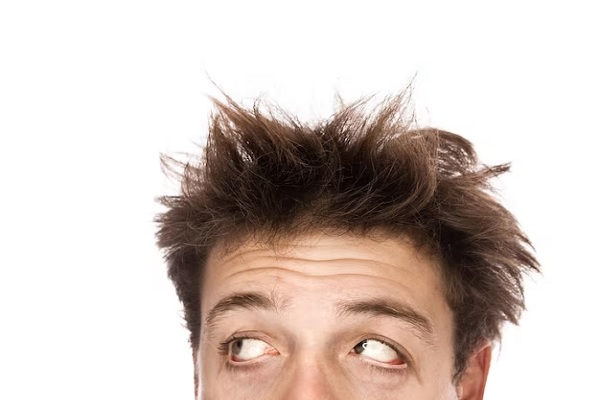
- Split Ends: Take note of split or frayed ends, as they are a visible sign of damage. This can result from frequent use of heated styling tools, exposure to harsh chemicals, or insufficient trimming.
- Brittleness: Hair that feels excessively brittle and prone to breakage may be suffering from damage. Causes include overexposure to heat styling, harsh weather conditions, or inadequate protection.
- Dull Appearance: Damaged hair often lacks the natural shine associated with healthy strands. Contributing factors may include nutrient deficiencies, overuse of styling products, or exposure to environmental pollutants.
- Excessive Dryness or Frizz: Damaged cuticles struggle to retain moisture, leading to dryness and frizz. Lack of hydration, excessive heat, and chemical treatments can contribute to this issue.
- Changes in Texture: Noticeable alterations in hair texture, such as roughness or an overly smooth feel, can signal damage. This may result from external factors or excessive reliance on chemical treatments.
- Difficulty in Styling: Hair damage compromises the ability to style effectively. Damaged cuticles make it challenging for the hair to hold curls, maintain a desired shape, or respond well to styling efforts.
- Color Fading: Damaged cuticles may fail to secure color molecules, leading to rapid fading of dyed hair. If your hair color diminishes quickly after application, it could be indicative of damage.
- Scalp Issues: A damaged scalp can contribute to overall hair problems. Keep an eye out for signs such as excessive dryness, redness, flakiness, or irritation, as these may impact hair health.
Effective Strategies for Hair Restoration
Maintaining the optimal health of your hair involves more than just superficial solutions. Regular trims play a crucial role in preventing and addressing various forms of damage. Additionally, a cautious approach to the use of heat styling tools and the adoption of good hygiene practices contribute to the overall well-being of your hair. To delve deeper into the realm of hair restoration, consider incorporating specialized treatments designed to smooth out the hair follicles. These targeted interventions not only enhance the aesthetic appeal of your hair but also contribute to the substantive repair of damaged strands. By embracing these detailed measures, you can embark on a comprehensive journey toward healthier, more vibrant hair.
Conditioning to Repair Damaged Hair
Conventional hair conditioning formulations boast a blend of ingredients designed not just for lubrication and static control but also to form a protective barrier around the hair cuticles. This protective layer plays a crucial role in preventing the hair from absorbing an excess of water, maintaining its health and vitality.
Deep Conditioning
For a more intensive hair treatment, explore the realm of leave-in conditioners. While the market offers a myriad of choices, experts unanimously recommend allowing a deep conditioner to work its magic on your locks for a duration of twenty to thirty minutes. This extended treatment period proves effective in not only smoothing out the hair cuticles but also in sealing them, ensuring an optimal and enduring moisture balance.
Hair Glaze to Repair Damaged Hair
In the quest for hair repair, consider the additional benefits of hair glaze. Beyond the conditioning aspect, hair glaze takes a step further by not only nurturing but also by creating a protective seal around each individual hair shaft. This dual action contributes significantly to the overall health and resilience of your hair.
Protection from the Heat
Hair’s vulnerability to environmental factors, especially heat and UV rays, necessitates a proactive protective approach. Prolonged exposure to sunlight can intricately diminish the protein and adhesive resilience of hair fibers, leading to undesirable dryness and brittleness. Those who find themselves frequently outdoors should conscientiously consider adopting protective measures such as donning a hat or applying specialized substances designed to effectively block harmful UV rays.
Delving into the realm of hair care reveals the profound benefits of incorporating specific oils into your routine. As illuminated in a detailed study from 2015, the application of oils can go beyond mere surface treatment, actively contributing to the prevention of additional hair damage. The key lies in the oils’ unique ability to permeate the hair, thereby curtailing the absorption of excess water. This, in turn, acts as a safeguard against recurring inflammation and dryness, factors known to compromise the overall health of hair.
The protective prowess of oils extends further as they adeptly fill the microscopic spaces between hair cuticles. This not only creates a defensive barrier against harmful substances but also ensures the lubrication of the hair shaft, promoting resilience and suppleness. Notably, coconut oil emerges as a hero in this narrative, exhibiting a remarkable capacity to slow down protein loss in both healthy and damaged hair. The secret to its effectiveness lies in its lower molecular weight, facilitating a seamless penetration of the hair shaft, a feat beyond the reach of conventional vegetable oils.
Advancing to recent research from 2019, the spotlight shifts to extra virgin coconut and olive oil, which have been found to serve as protective shields for hair follicles, especially against the detrimental effects of heat. This protective action, in essence, aids in the restoration and maintenance of optimal moisture levels in the hair.
Fostering Optimal Hair Health through Nutrient-Rich Dietary Choices
The sustenance of robust and lustrous hair relies heavily on a diet rich in essential vitamins and nutrients. Recent insights from the Dermatology and Therapy journal underscore the critical role that vitamins, minerals, proteins, and essential fatty acids play in preventing structural irregularities and hair loss. To fortify the health of your hair, it is imperative to embrace a well-rounded diet that encompasses a diverse array of nourishing foods. This includes not only a variety of proteins but also fruits, whole grains, vegetables, and healthy fats.
Practical Strategies for Coloring
When it comes to hair coloring, thoughtful choices can significantly mitigate potential damage. Begin by selecting a dye that closely aligns with your natural hair color, ideally within a three-shade proximity. Opting for deeper tones rather than brighter ones can serve as a protective measure, limiting the risk of adverse effects. Vibrant, unnatural colors, while stylish, often demand more maintenance and frequent touch-ups to sustain their allure. Another prudent approach involves elongating the duration between dye applications. Consider waiting a substantial 8–10 weeks, or even more, between coloring sessions. This extended interval facilitates a gentler coloring process, minimizing the cumulative impact on the health of your hair.
In instances of uncertainty or complexity, seeking professional guidance is paramount. While salon services may incur additional costs, entrusting your hair color to skilled professionals proves to be a judicious investment. A proficient colorist possesses a nuanced understanding of advanced techniques and products, adeptly navigating the intricacies of hair coloring while minimizing potential damage. This ensures not only a vibrant and stylish appearance but also the sustained health and vitality of your hair.
Choose between demi-permanent or semi-permanent options. Modifying your hair may have significant effects, necessitating a fresh start as it grows out. Concentrate on a single task exclusively. If you intend to chemically relax, straighten, or perm your hair, schedule it two weeks before your planned hair coloring appointment. This ensures your hair has sufficient time to recover between treatments.
In summary, the dream of possessing a lush, healthy head of hair is universal. However, adopting inappropriate hair care methods and encountering various issues can lead to damage.


Responsable – CAPIL SOLUTIONS. S.L
*Términos y condiciones
Finalidad – Dar respuesta a las solicitudes de información, y poder enviarle nuestras publicaciones, promociones de productos y/o servicios, gestionar los comentarios en el blog
Derechos Arco - Acceder, rectificar y suprimir los datos, así como otros derechos, como se explica en la información adicional.
info@capilclinic.us
Legitimación – Consentimiento
Destinatarios – No se cederán datos a terceros salvo obligación legal
Política de privacidad – Puede consultar nuestra política de privacidad aquí
*Política de privacidad