

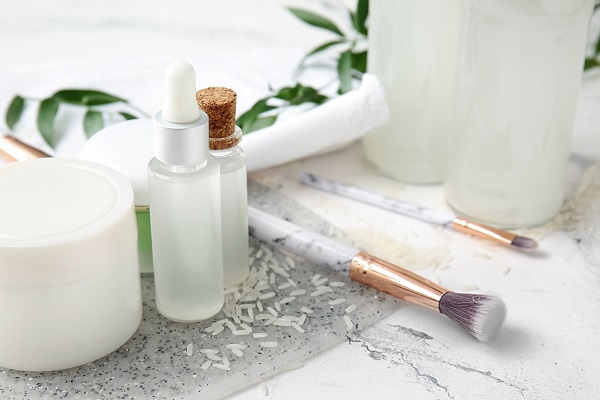
Rice water has gained popularity as a natural solution for enhancing hair health. Contrary to initial assumptions, its benefits are not tied to consuming rice but to using the water extracted from it. Packed with nutrients, rice water offers several advantages for hair growth and strength. This introductory guide explores the science behind rice water for hair and how it can transform your hair care routine.
Social media is buzzing about rice water for hair effectiveness, and influencers and beauty enthusiasts have brought it into the spotlight. The best part is its simplicity—no professional expertise is needed to prepare and apply it. As more people embrace this DIY treatment, understanding its benefits and proper use becomes crucial. This article delves into rice water’s potential, offering insights and easy-to-follow steps to help you decide if this natural remedy fits your hair care needs.
What is Rice Water for hair?

As its name implies, rice water is the liquid that remains after rice has been soaked or boiled. Although many discard this byproduct, its value is often underestimated. The common perception is that it consists of starchy remnants in the water left behind after cooking rice. However, hair care enthusiasts and experts strongly disagree with this notion. They consider rice water a treasure trove of nutrients that can significantly enhance hair health and overall appearance.
This natural elixir is rich in essential vitamins and minerals that benefit hair and scalp health. Because of its rich array of nutrients, rice water has become a staple in many hair care routines. It helps address common issues such as dryness, damage, and lackluster hair. By incorporating this simple yet effective ingredient into your hair care regimen, you can tap into its many benefits and unleash the full potential of your hair’s natural beauty.
Rice water for hair recipe: DIY methods
Commercial hair care products might require you to experiment with numerous products and spend a significant amount of money to obtain these beneficial components for your hair. It’s unlikely to find all the nutrients of rice water in a single product, often necessitating a combination of different treatments. Sometimes, the most underestimated things can carry the greatest value, which certainly applies to rice water, which most people simply discard. So, let’s talk about how to make rice water for hair.

1. Soaking
The swiftest way to concoct rice water is to soak it. Begin by acquiring half a cup of rice grains and meticulously rinsing them to eliminate any pesky impurities. After thoroughly rinse, place the cleansed rice into approximately two cups of water. The next step is to allow this rice-water amalgamation to sit undisturbed for around 30 minutes.
During this time, an intriguing transformation takes place. The rice gradually releases its nutrients and essence into the water, imparting it with a milky, cloudy appearance. Once the half-hour mark is reached, carefully strain the rice from the water. Ensure the newly formed, nutrient-rich rice water is collected in a separate vessel.
2. Fermentation
You might be wondering how to make fermented rice water. The answer is pretty simple, but it takes time. This method is hailed for its capacity to endow rice water with an elevated concentration of antioxidants, rendering it exceptionally beneficial. The initial steps mirror the soaking process, but there is one significant divergence: do not strain the rice grains.
3. Boiling
For those in search of a more expedited route, the boiling method offers a swift means of producing rice water. This approach entails boiling rice for a brief period while being mindful not to let the water fully evaporate. Add your rice grains and a suitable amount of water to a pot and heat.
As the water reaches its boiling point, the rice releases its nutrients into it. Once you observe this process, halt the boiling and promptly collect the rice water before it dries up.

These methods for making rice water offer various options, each with unique characteristics. All stem from the simple grain of rice.
How to use rice water for your hair
Rice water has been used for centuries in various cultures as a natural hair care treatment. It promotes hair growth, strengthens strands, and enhances hair health. Here’s a comprehensive guide on how to prepare this “potion”.
Preparation
- Start by selecting a type of rice, such as white, brown, or jasmine. Each type offers its unique benefits. You can use leftover cooked rice or uncooked rice.
- Thoroughly rinse the rice to remove any impurities. Swish it around in a water bowl, drain it, and repeat until it becomes clear.
- Add water to the rinsed rice in a container. Allow it to soak for 30 minutes to 24 hours. The soaking time affects the potency of the rice water, with longer soaking times generally yielding more concentrated results.
- After soaking, strain the rice from the water, collecting the liquid in a separate container. You will use this rice-infused water for your hair treatment.
Application
- Before using the water, shampoo your hair as you normally would. This initial step ensures that your hair is clean and ready to absorb the nutrients in the rice water.
- Thoroughly rinse out the shampoo with tap water to avoid any residue that may interfere with the rice water treatment.
- Gently pour the rice water into your hair, starting from the roots and working your way down to the tips. Use a spray bottle for precise application. Massage the rice water into your scalp and hair for a few minutes to ensure even distribution.
- Leave the rice water on your hair for about 30 minutes. This allows the nutrients to penetrate the hair shaft. Afterward, rinse your hair with lukewarm water to remove the rice water.
Benefits of rice water for hair
As more people seek out effective and natural hair care solutions, rice water has gained popularity for its ability to promote hair growth, strengthen hair, and enhance overall manageability. Here are some key benefits of incorporating rice water into your hair care routine.
Promotes hair growth
Rice water is rich in inositol, a carbohydrate that penetrates deep into the hair shaft. This remarkable ability allows the water to repair damaged hair while effectively stimulating new growth. Additionally, rice water can help combat hair loss by enhancing blood circulation to the scalp, ensuring that hair follicles receive the necessary nutrients for thriving hair.
Increases hair shine and softness

Acting as a natural conditioner, the water envelops each hair strand, effectively smoothing the hair cuticle and imparting a healthy shine. The result is noticeably softer hair that beautifully reflects light, giving it a vibrant, lustrous appearance.
Reduces frizz and static
The vitamins and minerals found in this water are crucial in balancing the pH levels of your hair and scalp. This balance helps to tame unruly flyaways and static, leading to smoother, more manageable hair that resists the common frizz experienced in humid conditions.
Cleanses the scalp
Rich in amino acids, rice water offers a gentle yet effective cleansing action for your scalp. It removes product buildup and excess oil, restoring balance without stripping away the scalp’s natural moisture, which is essential for healthy hair growth.
Protects hair from damage
This type of water creates a protective shield around each hair strand, safeguarding it against potential damage from heat-styling tools, harsh chemicals, and environmental stressors. This barrier helps maintain the integrity of your hair, leading to stronger, healthier tresses over time.
Side effects of rice water on hair
Instead of relying on chemically processed hair care products, you can opt for this natural source of nourishment. It actively fortifies hair follicles, providing them with the strength needed to withstand the effects of aging, environmental exposure, and other factors contributing to hair loss. However, it might have some side effects.
Overuse can lead to protein overload, especially for those with low-porosity hair. This condition occurs when the hair absorbs excessive protein, making it stiff, dry, and prone to breakage. To avoid this, balance rice water treatments with proper moisturizing practices.
Additionally, improper preparation or fermentation of rice water may cause an unpleasant odor or scalp irritation. The starch residue in rice water might also clog pores for individuals with sensitive skin, leading to dandruff or itchiness. To minimize these risks, rinse your hair thoroughly and limit applications to once or twice a week.
TIP: Test rice water on a small skin patch before full application to ensure it suits your hair type and scalp sensitivity.
What do researchers say about rice water for hair?

Jumping on the internet trend for a new hair care routine might not always be the best choice. It’s essential to ensure the reliability of these trends, whether by consulting your hairstylists or delving into research. This way, you can gain insights from experts in the field. To save you the trouble, we’ve gathered a selection of research papers and assessed their findings regarding the impact of rice water on hair.
In a 2010 study, the researcher determined that applying rice water to hair yielded positive results, including a reduction in surface friction and a significant increase in hair elasticity. Consequently, rice water has a beneficial effect on hair, validating the widespread internet enthusiasm for it.
Another investigation focused on the effects of inositol, a component found in rice water. This research revealed that inositol gives hair considerable strength and prevents it from breaking. While some of these studies may have been motivated by commercial interests, a definitive confirmation of rice water’s effectiveness on hair is still pending. Additionally, many of these studies derive their conclusions from historical sources, such as Japanese women’s traditional use of rice water for their hair.
Faq’s
For every cup of rice how many cups of water?
You typically need 2–3 cups of water for every cup of rice. This ratio ensures you extract enough nutrients while keeping the mixture balanced for application.
Can I store rice water long-term?
Yes, you can store rice water in the fridge for up to 1 week. Just be sure to shake or stir it well before each use.
Will rice water lighten my hair color?
No, rice water is not a hair dye and won’t lighten your natural hair color. However, it may slightly brighten and add shine to your strands.
Conclusion
Rice water for water has emerged as a simple, natural remedy that could transform care routines. Its rich nutrient profile offers numerous benefits, including promoting hair growth, increasing shine, and reducing damage. While the advantages are compelling, using rice water appropriately is essential to avoid potential side effects such as protein overload or scalp irritation. With proper preparation and mindful application, rice water can become a valuable addition to your hair care arsenal, helping you naturally achieve healthier, stronger hair.


Responsable – CAPIL SOLUTIONS. S.L
*Términos y condiciones
Finalidad – Dar respuesta a las solicitudes de información, y poder enviarle nuestras publicaciones, promociones de productos y/o servicios, gestionar los comentarios en el blog
Derechos Arco - Acceder, rectificar y suprimir los datos, así como otros derechos, como se explica en la información adicional.
info@capilclinic.us
Legitimación – Consentimiento
Destinatarios – No se cederán datos a terceros salvo obligación legal
Política de privacidad – Puede consultar nuestra política de privacidad aquí
*Política de privacidad