

Hair loss is a frequent condition. Can affect up to fifty percent of men and women at some point in their lives. It can happen everywhere on the body, but it most usually affects only the scalp. Doctors need to be capable of telling the difference between hair loss caused by a genuine disease. And the more frequent hair loss that comes with age. Scarring alopecia and non-scarring alopecia are the two primary classifications of hair loss. Scarring alopecia is uncommon, and most cases of hair loss seen in general care will not leave scars. There are different Tests To Diagnose Alopecia.
Before giving you a diagnosis, your physician will most likely perform a physical exam. And ask questions about your food, how you care for your hair, and your medical and family history. In addition to carrying out any of the Tests To Diagnose Alopecia.
What is Alopecia Testing?
Alopecia testing refers to the diagnostic procedures and examinations conducted to identify and understand various forms of hair loss, collectively known as alopecia. These tests help healthcare professionals determine the specific type of alopecia, assess its severity, and gather information about the underlying causes or contributing factors.
Several types of alopecia exist, including androgenetic alopecia (pattern baldness), alopecia areata (patchy hair loss), and telogen effluvium (temporary shedding of hair). To pinpoint the exact nature of the condition, healthcare providers may employ a range of tests based on individual factors.
What Are Blood Tests to Diagnose Alopecia or Sudden Hair Loss?
These are the Tests To Diagnose Alopecia that can be used:
CBC

The Complete Blood Count, commonly referred to as CBC, emerges as a cost-effective and widely utilized blood test. Offering an extensive analysis, it becomes a valuable tool for diagnosing a spectrum of illnesses. Beyond its affordability, CBC presents a comprehensive view of blood cell activities, enabling medical professionals to pinpoint signs of inflammation. This inflammation may be indicative of follicular assaults triggered by various factors such as infections or immune reactions.
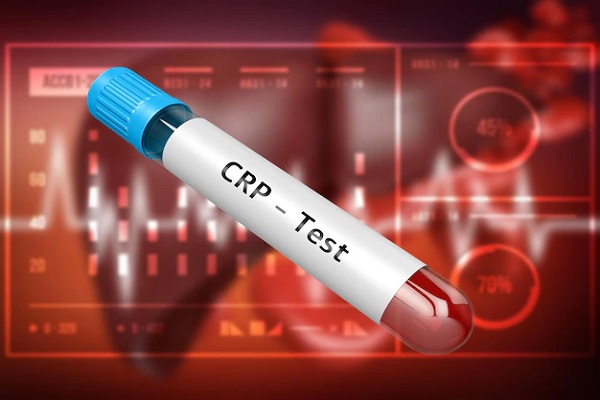
CRP Test

In the pursuit of identifying inflammation levels associated with alopecia, the C-Reactive Protein (CRP) blood test plays a pivotal role. Recognized as a well-established marker for inflammation linked to autoimmune disorders, CRP aids in gauging the severity of inflammatory responses. When alopecia areata is suspected, undergoing the CRP test becomes a crucial step in the diagnostic process. Expectations of this test often arise when autoimmune involvement is considered a potential factor in sudden hair loss.
ANA Test

A crucial diagnostic tool in the realm of autoimmune disorders is the antinuclear antibody (ANA) test. This method involves a comprehensive analysis of blood samples, and the identification of ANA presence in these samples can serve as a potential indicator of autoimmune illnesses, including but not limited to alopecia areata.
Thyroid Test

Long-term thyroid complications, such as hypothyroidism and hyperthyroidism, have been unveiled as potential contributors to sudden hair loss. Delving deeper into the intricacies of thyroid function, particularly scrutinizing changes in the synthesis of thyroid hormones, provides valuable insights. This detailed examination aids in establishing a correlation between the thyroid conditions and the observed hair loss, contributing to a more nuanced understanding of the underlying health dynamics.
Ferritin And Iron Serum Test

Scientific investigations have illuminated a compelling correlation between a deficiency in iron and the onset of hair thinning, resembling the effects observed in androgenic alopecia. This suggests that persistent and rapid hair loss could potentially serve as a diagnostic indicator for identifying not only androgenetic alopecia but also underlying iron deficiencies, establishing a bidirectional relationship. To ascertain the presence of these conditions, medical professionals typically resort to comprehensive blood tests to analyze and quantify the levels of both iron and ferritin within the body.
Sex Hormones Tests

The role of sex hormones in the intricate landscape of alopecia progression is multifaceted. While the surge in these hormones during puberty intensifies the visibility of different hair growth phases, deeper investigations underscore dihydrotestosterone (DHT) as the pivotal hormone governing androgenetic alopecia, commonly recognized as pattern hair loss. Opting for blood tests that delve into the intricacies of sex hormones, including those delineated below, provides a nuanced understanding, enabling the identification of potential links between alopecia and DHT. This more detailed analysis offers a comprehensive perspective on the interplay between sex hormones and hair loss patterns.
Prolactin Blood Test

The intricate dynamics of hormonal balance involve prolactin, a hormone pivotal for nurturing breast tissue development and facilitating the production of milk. Paradoxically, an excessive presence of prolactin within the physiological framework can be a contributing factor to hair loss. This phenomenon is notably observed in a substantial number of instances involving postpartum hair shedding, prevalent among women during pregnancy or lactation.
Testosterone Blood Tests To Diagnose Alopecia

Alopecia, a condition characterized by hair loss, often finds its roots in heightened testosterone levels. This correlation gains clarity when considering the central role played by elevated dihydrotestosterone (DHT) levels, a primary culprit in the onset of pattern baldness. Significantly, DHT is a derivative of testosterone. Employing a meticulous blood test tailored for this purpose allows for a precise evaluation of testosterone concentrations. This diagnostic approach enables the identification of potential factors associated with hair loss, offering a comprehensive understanding of the intricate relationship between testosterone and alopecia.
Estrogen And Progesterone Blood Test

Thinning hair in women has been associated with reduced estrogen and progesterone levels. This connection makes it unusual for menopausal women to experience sudden hair loss and a decrease in follicle growth.
To ascertain if hormones contribute to alopecia, it becomes essential to examine the levels of these sex hormones. An alternative approach involves conducting a comprehensive blood test specifically focused on female hormones. During this test, a specialist will assess various hormones to gain a thorough understanding of their concentrations.
Is it Possible to Detect Hair Loss Through a Blood Test?
Beyond resorting to a scalp biopsy, the identification of alopecia can involve the analysis of blood samples. In the quest to unravel the underlying cause of your hair loss, your healthcare provider might advocate a comprehensive array of blood tests. The specific battery of laboratory tests conducted will be guided by the presence of accompanying symptoms or recent shifts in your lifestyle.
Consider postpartum alopecia, where a hormonal imbalance post-childbirth may serve as the catalyst for hair loss. For instance, if an individual has recently given birth and is grappling with hair loss simultaneously, a closer examination becomes imperative. Conversely, if an autoimmune condition such as alopecia areata is suspected, the initial step involves scrutinizing bald patches. Following this, a cascade of blood tests, including the ANA test designed to measure antinuclear antibodies, will be set in motion to delve deeper into the diagnostic process.
When Should a Person Perform Tests?
In the event that you observe a noticeable increase in the shedding of your hair, it is imperative to promptly schedule a consultation with your primary care physician. This step is crucial as it facilitates the undertaking of thorough examinations to pinpoint and diagnose the presence of alopecia. While the act of losing hair itself may not inherently pose a direct threat to an individual’s life, it serves as a potential indicator of an underlying and potentially more significant health concern.
Moreover, delving into the realm of baldness reveals a connection to adverse effects on mental well-being. Addressing this concern in its nascent stages is not merely advisable but holds paramount importance. Furthermore, individuals grappling with the onset of alopecia areata often find themselves contending with distinct bald patches and concurrent issues such as the brittleness of nails. This manifestation tends to manifest itself during the transitional phase of teenage years or early adulthood, adding a layer of complexity to the overall health scenario.
Factors Influencing the Choice of Tests
Several factors play a crucial role in determining the appropriate tests for diagnosing alopecia. These factors include the type of alopecia suspected, the severity of hair loss experienced by the individual, and the patient’s comprehensive medical history. Firstly, the specific type of alopecia suspected becomes a pivotal consideration. There are various forms of alopecia, such as androgenetic alopecia, alopecia areata, and telogen effluvium. Each type may exhibit distinct characteristics, and tailoring the diagnostic tests accordingly helps in accurate identification.
The severity of hair loss is another significant factor influencing the choice of tests. Different individuals may experience varying degrees of hair loss, ranging from mild thinning to extensive bald patches. The extent of hair loss helps determine the urgency and comprehensiveness of the diagnostic approach. Additionally, the patient’s medical history provides valuable insights. Certain medical conditions, medications, or underlying health issues may contribute to or exacerbate alopecia. Therefore, understanding the patient’s medical background aids in selecting relevant tests and ensuring a thorough examination.
Conclusion
Many individuals often overlook the impact of alopecia until it starts advancing. Although hair loss doesn’t pose significant health risks, it can adversely affect your mental and social state. Seeking alopecia treatment promptly proves advantageous. If you observe areas with missing hair or noticeable bald patches, it’s crucial to promptly schedule an appointment with your main healthcare provider and undergo necessary laboratory examinations.


Responsable – CAPIL SOLUTIONS. S.L
*Términos y condiciones
Finalidad – Dar respuesta a las solicitudes de información, y poder enviarle nuestras publicaciones, promociones de productos y/o servicios, gestionar los comentarios en el blog
Derechos Arco - Acceder, rectificar y suprimir los datos, así como otros derechos, como se explica en la información adicional.
info@capilclinic.us
Legitimación – Consentimiento
Destinatarios – No se cederán datos a terceros salvo obligación legal
Política de privacidad – Puede consultar nuestra política de privacidad aquí
*Política de privacidad