

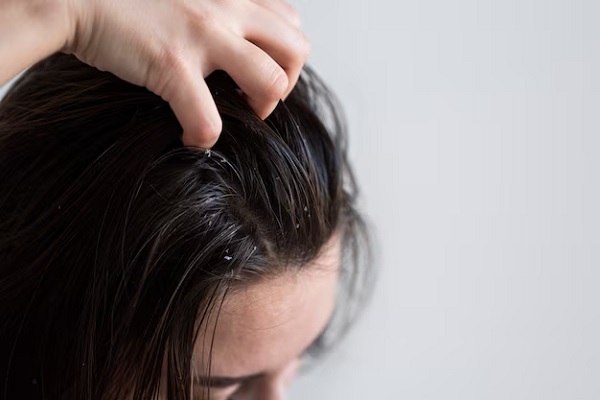
Oily hair can often feel like an unwelcome guest, overstaying its welcome and leaving you feeling less than confident about your locks. While a certain level of natural scalp oil, or sebum, is essential for healthy hair. An excess can lead to the frustrating greasy appearance that many of us battle with. Fear not, for the realm of hair care offers a plethora of treatments and remedies to combat oily hair and help you regain control over your mane.
In this exploration, we delve into the causes of oily hair and the best treatments for oily hair, unveiling the strategies that can restore balance, leaving you with refreshed, lustrous hair once more.
Causes Of Oily Hair
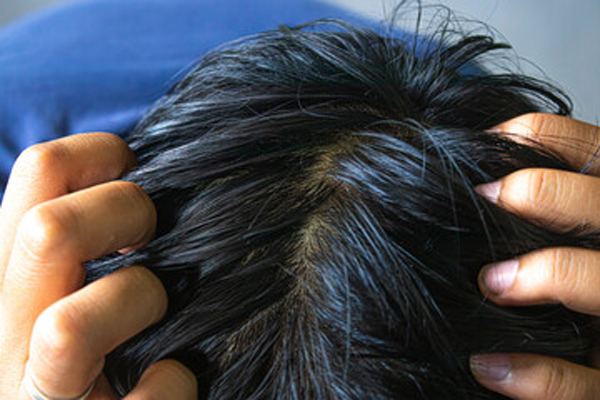
There are many causes of oily hair. Some of the most common causes include:
- Genetics: Some people are simply more prone to oily hair than others. This is due to genetics, which determines how much oil your scalp produces.
- Hormonal changes: Hormonal changes, such as those that occur during puberty, pregnancy, and menopause, can also lead to oily hair.
- Stress: Stress can also trigger the production of excess oil in the scalp.
- Certain medications: Some medications, such as steroids and birth control pills, can also cause oily hair.
- Diet: A diet high in unhealthy fats and processed foods can contribute to oily hair.
- Scalp conditions: Certain scalp conditions, such as seborrheic dermatitis, can also cause oily hair.
- Overwashing your hair: Washing your hair too often can actually strip your hair of its natural oils, which can lead to your scalp producing even more oil to compensate.
- Using the wrong products: Using harsh shampoos and conditioners can also irritate your scalp and cause it to produce more oil.
- Not taking care of your hair: Not taking care of your hair properly, such as not brushing it regularly or using heat styling tools too often, can also contribute to oily hair.
What Are The Best Treatments For Oily Hair?
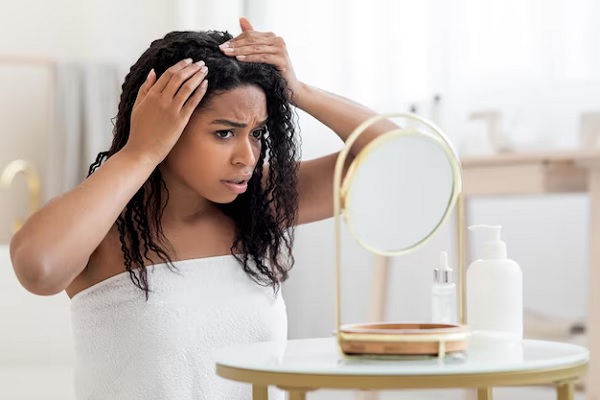
Oily hair is a common problem that can affect people of all ages. It is caused by an overproduction of sebum, the natural oil that your scalp produces to keep your hair healthy. There are a number of things you can do to treat oily hair, including:
Wash More Frequently for Oil Control
Frequent hair washing may sound counterintuitive, but it can actually be beneficial in reducing excessive scalp oil production. When you wash your hair regularly, you effectively eliminate the surplus oil and grime buildup that leads to that undesirable greasy appearance.
Explore Clarifying Shampoos
Consider incorporating clarifying shampoos into your routine. These specialized products are designed to eliminate the accumulation of oil, dirt, and product residue in your hair. Using them once or twice weekly can help maintain your hair’s freshness and vitality.
Choose Gentle Hair Products
Steer clear of harsh shampoos and conditioners, as they have the potential to strip away your hair’s natural oils. In response, your hair might overcompensate by producing even more oil. Opt for products labeled as “gentle” or “suitable for oily hair” to preserve your hair’s natural balance.
Regular Trims for Hair Health

Don’t underestimate the importance of regular hair trims. Consistent trimming helps eliminate split ends and damaged hair, resulting in a healthier and more appealing hair texture.
Give Your Brush a Thorough Cleaning
A dirty hairbrush has no business being paired with freshly cleaned hair. Over time, your brush can accumulate residues from styling products, oils, and other debris, leading to instant hair contamination following a wash.
To remedy this, make it a habit to clean your styling tools using a small amount of shampoo or mild soap, effectively stripping away the accumulated buildup. Additionally, routinely remove any loose strands of hair after each brushing session to prevent your brush from becoming clogged with oil and grime.
Revitalize Your Hair with Aloe
Aloe isn’t just a seasonal remedy reserved for the summertime. It can serve as an exceptional mask for both your hair and scalp, offering multiple benefits such as eliminating excess oil, combating product buildup, soothing scalp irritation, and safeguarding your strands. The result? Soft and healthy-looking hair.
Steer Clear of Products Containing Silicone
Numerous hair care products, ranging from shampoos and conditioners to creams and styling aids, contain silicone as a key ingredient, intended to provide hair with a sleek appearance and added shine.
However, silicone can have unintended consequences. It can create an overly glossy finish that closely resembles greasiness and has the potential to accumulate on your hair, giving it a dirty, oily, and weighed-down appearance. Common silicones to watch out for in product ingredient lists include dimethicone, cyclomethicone, and amodimethicone.
Furthermore, silicones may impede the absorption of essential moisture into your hair shafts. To maintain the health of your roots, it’s advisable to avoid any products featuring ingredients ending in “-cone.”
Home Remedies For Oily Hair
Below are some home remedies for oily hair:
- Apple cider vinegar. Apple cider vinegar is a natural astringent that can help to reduce oil production and balance the pH of your scalp. Mix equal parts apple cider vinegar and water and apply it to your scalp. Leave it on for 10 minutes, then rinse it out with cold water.
- Tea tree oil. Tea tree oil has antibacterial and antifungal properties that can help to reduce dandruff and oiliness. Add a few drops of tea tree oil to your shampoo or conditioner.
- Cucumber is a natural moisturizer that can help to balance the oil production in your scalp. Mash a cucumber and apply it to your scalp. Leave it on for 15 minutes, then rinse it out with cold water.
- Bentonite clay. Bentonite clay is a natural absorbent that can help to remove excess oil from your hair. Mix equal parts bentonite clay and water to form a paste. Apply the paste to your scalp and leave it on for 15 minutes, then rinse it out with cold water.
It is important to note that these are just a few home remedies for oily hair. If you have severe oily hair, you should see a doctor or dermatologist for treatment.


Responsable – CAPIL SOLUTIONS. S.L
*Términos y condiciones
Finalidad – Dar respuesta a las solicitudes de información, y poder enviarle nuestras publicaciones, promociones de productos y/o servicios, gestionar los comentarios en el blog
Derechos Arco - Acceder, rectificar y suprimir los datos, así como otros derechos, como se explica en la información adicional.
info@capilclinic.us
Legitimación – Consentimiento
Destinatarios – No se cederán datos a terceros salvo obligación legal
Política de privacidad – Puede consultar nuestra política de privacidad aquí
*Política de privacidad