

We are all interested in keeping our hair in the best possible condition. Unfortunately, our hair isn’t always perfect. One of the most popular issues associated with hair is falling out. In this article, we will discuss why our hair fall out A Lot. Yes, your hair falling out is the norm. This is why you’ll find your carpet or shower drain filled with your hair. This is so predominant that we lose about 80 strands of hair each day.
While this isn’t a problem, what becomes a problem is when you have more than this falling out each day, and they fail to grow back. We bet you’re wondering why this is the case. Well, we’ve got you covered. In this article, we’ll tell you all you need to know about why our hair falls out a lot. As you can guess, we’ll also tell you about how to help yourself if your hair falls out becomes a problem.
Factors That Causes Hair Fall out
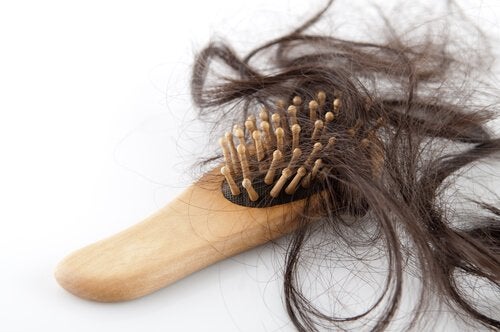
Various factors result in hair fallout. They include:
Hormonal Imbalance
One of the most common reasons for hair fall out is your hormone. Generally, hormonal imbalance can cause a wide range of disturbing beauty and health issues. From weight gain to adult acne, the list is endless. One of the most popular results of hormonal imbalance is hair falling out.
This reality is even more common in women. Significant changes in their hormones, such as pregnancy or childbirth, can distort their hair cycle, leading to increased hair fallout.
Nutritional Deficiency
Another factor that can result in hair loss is nutritional deficiency. This is due to the hair’s need for various nutrients. For instance, the body needs iron to keep hair in the best possible condition. In turn, where iron is deficient in the body, hair falls out.
This is the same when there’s a deficiency of Vitamin B12. You’ll find yourself feeling low on energy and tired. Unfortunately, that’s not the only effect of its deficiency. It affects your red blood cells, which provide oxygen to your tissues. So, you’ll find yourself losing hair faster than it grows back. The sun also damages hair, so be careful with that.
Stress
Another typing that’s associated with hair fallout is stress. As we already know, stress can raise the hormone levels in an individual. Remember how we discussed that hormonal imbalance results in hair loss. Well, stress causes hormonal imbalance, which then causes hair loss.
Even worse, stress is known to trigger various other hair-related problems like dandruff, which might cause hair loss. It can also affect individuals’ eating habits, which go a long way in determining their hair quality.
So, its overall effect on hair fallout is quite considerable.
Age
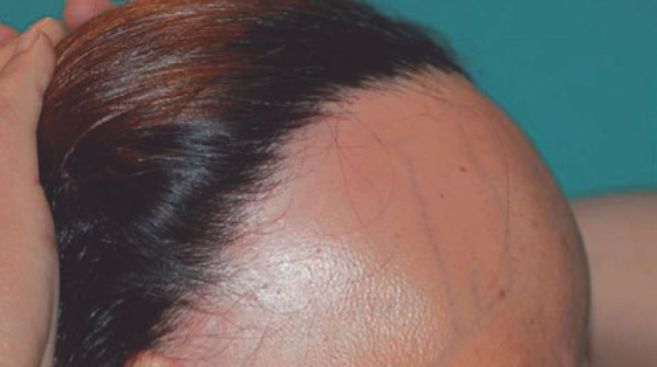
Another thing that can cause your hair to fall out is age. In fact, this is one of the primary reasons associated with hair loss. The various changes in your body that occur as you grow older leads to hair loss. This is a natural part of aging, and significant action is needed to prevent it.
Considerable Weight Loss
Another thing that can result in the loss of hair is a considerable loss of weight. This is because it affects your tresses. In turn, you’ll find yourself losing hair faster than you can imagine.
You should know that it doesn’t matter whether the weight loss is intense or not. Once there’s a significant weight loss, between 6 and 12 weeks following the loss, hair loss also becomes significant.
Hyperthyroidism and Hypothyroidism
Our thyroid gland is a very important part of our normal body functioning. It helps us to regulate our body’s metabolism. It achieves this by controlling our tissue’s oxygen use and general production of protein.
As expected, this plays an important part in our hormonal imbalance. In turn, an imbalance to our thyroid gland, whether excessive or limited, will affect our hair’s status and health.
Signs of Hair Thinning
Hair loss is a multifaceted condition that manifests in subtle and not-so-subtle ways. Recognizing these nuances is crucial for early detection and understanding the underlying factors contributing to hair loss. Let’s explore the standard signals of hair loss:
Gradual Hair Thinning
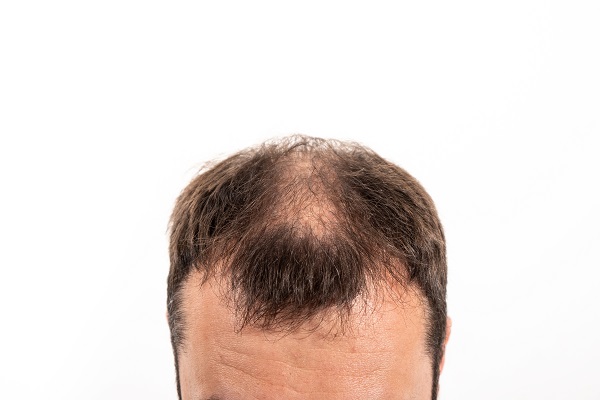
Hair loss often initiates with a gradual thinning of the hair. This typically commences at the crown or the top of the head, where hair loses density and thickness, leading to a less voluminous and lush appearance. The process is usually so gradual that it can go unnoticed until significant thinning occurs.
Receding Frontal Hairline
A classic sign of male pattern baldness is a receding hairline. Hair near the forehead starts to recede, forming an “M” shape or a more pronounced forehead, creating a distinctly recognizable pattern of hair loss.
Presence of Bald Spots
In some cases, hair loss leads to the emergence of bald spots. These areas on the scalp may exhibit complete hair loss, often taking on a round or oval shape. The size and number of these bald spots can vary, making them an unmistakable sign of hair loss.
Excessive Hair Shedding
An early indication of hair loss is an increased loss during daily activities such as washing, combing, or styling. If you notice more hair in your shower drain, on your pillow, or on your hairbrush, it could serve as an initial red flag, suggesting that hair loss is underway.
Thinning at Temples
Alongside a receding hairline, men may experience thinning at the temples, forming a distinctive “widow’s peak” pattern. This subtle change in hair distribution can be a telltale sign of male pattern baldness.
Hair Miniaturization
Hair follicles may undergo a process known as miniaturization. This results in the production of finer, shorter, and less pigmented hair. This transformation in hair texture often precedes more noticeable and widespread hair loss, making it a valuable diagnostic sign.
Sudden and Extensive Hair Loss
Telogen effluvium, a condition triggered by physical or emotional stress, medication, illness, or pregnancy, can lead to abrupt and extensive hair loss. This dramatic hair shedding can be alarming and is often a result of underlying factors.
Patchy Hair Loss
Conditions like alopecia areata can cause patchy hair loss. It is characterized by the development of perfectly round or oval bald patches on the scalp or other body areas, a pattern distinct from other forms of hair loss.
Itching or Discomfort
Scalp conditions such as fungal infections or inflammation can provoke itching, discomfort, and localized hair loss in the affected regions. This discomfort can often be the first indication of an underlying issue.
Gradual Thinning Across the Scalp
Female pattern hair loss, while less noticeable at first, is marked by a more diffuse hair thinning across the entire scalp rather than specific receding hairlines or bald spots. It’s essential to recognize this subtle pattern in women.
Increased Scalp Visibility
As hair loss advances, the scalp becomes more visible through the remaining hair, especially when wet or under strong lighting. This increased visibility can be a strong indicator of progressing hair loss.
Hair Loss Beyond the Scalp
It’s imperative to understand that hair loss isn’t confined to the scalp alone. It can also affect other areas such as eyebrows, eyelashes, facial hair, and other body hair, emphasizing the systemic nature of some hair loss conditions.
Texture Alterations
Changes in hair texture can manifest, including hair becoming finer, more fragile, or losing its natural curl. This shift in texture can be one of the early signs of impending hair loss.
Excessive Hair on the Pillow
Discovering a substantial amount of hair on your pillow upon waking can indicate hair loss, especially if this becomes a regular occurrence. This is a tangible sign of ongoing hair shedding.
Family History Influence
A family history of hair loss, particularly among close relatives, can significantly heighten the risk of experiencing hair loss. Genetics plays a pivotal role in determining an individual’s susceptibility to hair loss, underscoring the importance of familial history in assessing this risk.
Solution
Now that you’ve known the causes of hair loss, that’s not all that there’s to know. It’s also essential for you to know how to address these issues.
However, to do this, you need to recognize the problem. It would help if you recognized excessive hair loss. This way, you can take the necessary action. Also, remember that your hair will get back to normal once you solve all the problems.
Take Supplements
Another way to help yourself is to take supplements. They’ll help you boost the levels of minerals and vitamins that your follicles can enjoy. However, ensure that you eat a balanced diet as well.
Good Diet
As we mentioned, nutritional deficiency causes hair loss. Getting adequate nutrients will help you address these issues, so ensure that you get adequate protein.
Also, you want to ensure that you get reasonable access to complex carbohydrates. They’ll provide your hair with the needed energy to grow.
Get Head Massage
Another thing that you can do is to get a head massage. This will ensure that you can stimulate blood flow in your scalp. The advantage of this is that it will ensure that your follicles get access to the best nutrients required for improved growth.
Be Conscious During Styling
You’ll also need to be conscious during styling to keep your hair in the best possible condition. You’ll need to ensure that you avoid hairstyles that place pressure on your hair follicles and hair. This way, your hair is in the best possible condition. You should also avoid harsh chemicals on your hair.
Final Thoughts
Hair loss is a common occurrence that we hardly worry about. However, in some cases, they get so considerable that they become the subject of your attention. In such cases, you have nothing to worry about. We have explained the causes and practical solutions. So, read up and enjoy!


Responsable – CAPIL SOLUTIONS. S.L
*Términos y condiciones
Finalidad – Dar respuesta a las solicitudes de información, y poder enviarle nuestras publicaciones, promociones de productos y/o servicios, gestionar los comentarios en el blog
Derechos Arco - Acceder, rectificar y suprimir los datos, así como otros derechos, como se explica en la información adicional.
info@capilclinic.us
Legitimación – Consentimiento
Destinatarios – No se cederán datos a terceros salvo obligación legal
Política de privacidad – Puede consultar nuestra política de privacidad aquí
*Política de privacidad