

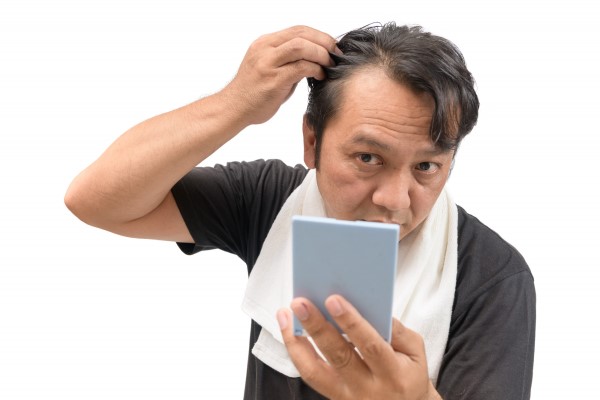
Having a scalp problem is very annoying. However, there is something worse: greasy hair and alopecia. This combination is not very pleasant. At times, everyone experiences a slightly oily scalp. This natural occurrence is beneficial as it helps safeguard and maintain healthy hair. However, when your scalp becomes excessively oily, it can become bothersome, making your hair appear greasy and unclean.
An oily scalp can also coincide with other symptoms that may indicate a skin disorder. In this article, we will explore the detailed causes of greasy hair and alopecia, its associated symptoms, home remedies for treatment, and what steps to take if these remedies prove ineffective.
Causes of Greasy hair and alopecia
As we all know, hair can be fine or coarse, dry or oily. Oily hair is undoubtedly a common concern for many seeking that elusive balance of healthy locks. This is why it is very important to recognize the causes of greasy hair and alopecia. The solution comes from the problems.
Seborrheic Dermatitis
Seborrheic dermatitis is a prevalent skin condition that primarily presents as an oily scalp. This chronic inflammatory disorder targets areas rich in oil glands, particularly the scalp. They can manifest as distinct pink, scaly patches that may lead to discomfort and irritation.
People suffering from seborrheic dermatitis often experience these symptoms, which can be exacerbated by various factors such as hormonal fluctuations, heightened stress levels, fungal infections, or an overabundance of yeast residing on the scalp.

Seborrheic dermatitis is not a serious medical condition. However, it can persist and cause significant discomfort. Many people turn to home treatments to ease the symptoms. Medicated shampoos and topical creams are widely used options. These treatments help manage the condition and provide relief. They also restore balance to the scalp, improving overall comfort.
Skin Conditions: Eczema and Psoriasis
Eczema and psoriasis are two prevalent skin disorders that can lead to an overly oily scalp, greasy hair and alopecia. Eczema, which is often referred to as atopic dermatitis, presents itself as patches of skin that are red, itchy, and inflamed. When this condition occurs on the scalp, it can disrupt the normal balance of oil production, resulting in a scalp that may become excessively greasy and uncomfortable.
Conversely, psoriasis is a chronic autoimmune disease characterized by an accelerated turnover of skin cells. This rapid multiplication manifests in the form of thick, red, scaly patches that can be both unsightly and irritating. When psoriasis affects the scalp, it can similarly result in increased oil secretion and noticeable flaking, often accompanied by significant discomfort.

Both eczema and psoriasis necessitate a thorough diagnosis and a tailored management plan from a healthcare professional to alleviate symptoms and mitigate the issues related to oiliness effectively. Proper treatment not only helps control the physical manifestations of these conditions but also improves overall scalp health.
Forehead acne
Forehead acne can directly impact your scalp, often increasing oiliness. This happens when excess oil, combined with dead skin cells and bacteria, clogs pores on your forehead. These clogged pores lead to acne bumps, which can sometimes spread to the scalp. As a result, the scalp becomes oilier and more prone to breakouts.
Several factors contribute to this condition. Hormonal changes, such as those during puberty or menstrual cycles, often play a role. Genetic predisposition can also make some individuals more acne-prone. Additionally, inadequate skincare routines and diets that affect skin health may worsen the issue.

To manage forehead acne and reduce scalp oiliness, greasy hair and alopecia, adopt a thorough skincare routine. Cleanse your skin regularly to remove excess oil and impurities. Exfoliate to eliminate dead skin cells, and choose non-comedogenic products to avoid clogging pores. These steps help control acne and create a healthier scalp environment.
Genetic influence

Genetics determines the characteristics of your hair and scalp, particularly regarding oil production and hair thickness. Some people may inherit a genetic predisposition that leads to increased sebum production by the sebaceous glands in the scalp. This can result in a persistently oily scalp, which may cause discomfort and contribute to issues like dandruff, acne, greasy hair and alopecia.
Additionally, genetic factors can influence the structure and density of hair follicles. For example, people with a higher density of hair follicles may experience more oil production, exacerbating the feeling of oiliness. The shape of these hair follicles—whether oval, round, or flat—can determine the texture and thickness of individual hair strands. As a result, variations in hair thickness can affect how quickly and visibly oil accumulates, further impacting the overall appearance of the hair.
Implementing a personalized hair care routine that includes regular washing with shampoos. They must be done for oily scalps, which can be beneficial. These products often contain ingredients designed to regulate sebum production and cleanse the scalp thoroughly. Additionally, using lighter conditioners and avoiding heavy styling products can help reduce oiliness, promoting healthier-looking hair.
Does greasy hair cause alopecia?
Greasy hair and alopecia are not directly related but can contribute to conditions that may lead to hair loss. Excess oil on the scalp, produced by overactive sebaceous glands, can trap dirt, dead skin cells, and bacteria. This buildup can clog hair follicles, potentially leading to inflammation and scalp conditions such as seborrheic dermatitis or folliculitis. These conditions may weaken hair roots and cause temporary or permanent hair loss if left untreated.
The excess oil can also create an unhealthy scalp environment that disrupts typical hair growth phases. This and other factors like genetics, stress, or hormonal imbalances may exacerbate hair thinning or contribute to greasy hair and alopecia. Maintaining scalp hygiene and addressing underlying issues can help manage greasy hair and alopecia.
Home remedies for Greasy hair and alopecia
If you are dealing with greasy hair and alopecia, or you have an oily scalp, there are several measures you can take to address the issue at home. These include regular cleansing with mild shampoos, avoiding excessive heat styling, reducing the frequency of hair washing, using oil-controlling hair products, and maintaining a balanced diet.

Herbal rinse
Select aromatic herbs like vibrant rosemary, soothing lavender, or refreshing peppermint to create a revitalizing herbal rinse. Boil water and pour it over the chosen herbs. Allow them to steep for about 15-20 minutes. This process will extract their natural oils and beneficial properties.
After washing your hair with shampoo, pour this fragrant herbal infusion over your locks as a final rinse. Not only will this rinse help regulate excess oil, but it will also leave your hair feeling utterly refreshed, scented with the delightful essence of nature.
Clay Mask
Bentonite or kaolin clay is a powerful natural remedy for absorbing excess oil from the scalp. Mix the chosen clay with water to create a rejuvenating clay mask until it reaches a smooth, paste-like consistency. Apply this mixture evenly to your scalp, ensuring it covers any oily areas.
Let the mask sit for about 10 to 15 minutes. This way, the clay draws out impurities and excess sebum before rinsing thoroughly with warm water. This cleansing treatment not only helps to purify the scalp but also reduces greasiness, leaving it feeling refreshed.
Onion Juice
Harness the power of onions by extracting their juice and applying it directly to your scalp, particularly targeting areas affected by alopecia. Rich in sulfur, onion juice has been known to stimulate hair follicles, encouraging new growth and revitalizing thinning patches.
To maximize benefits, allow the onion juice to penetrate the scalp for about 30 minutes before rinsing it out with a gentle shampoo, promoting both rejuvenation and strength.
Aloe Vera
Harness the soothing qualities of fresh aloe vera by applying its gel directly onto your scalp. Known for its anti-inflammatory properties, aloe vera is excellent for calming irritation and promoting overall scalp health.
Its cooling sensation not only alleviates discomfort associated with scalp issues but also promotes hair growth. It is a refreshing and restorative option for those dealing with alopecia.
Apple Cider Vinegar rinse
For a simple yet effective final rinse, dilute apple cider vinegar in water and use it after your regular shampoo routine. This versatile solution works wonders for the scalp by balancing its natural pH levels, which in turn can help regulate oil production.

Regular use of an apple cider vinegar rinse may promote healthier hair growth and contribute to a shinier, more vibrant mane. It is an excellent addition to your hair care regimen.
Faq’s
Why does greasy hair sometimes coincide with hair loss?
Excess oil on the scalp can create an environment that encourages bacteria and fungus growth, leading to irritation and weakening hair follicles, which can result in hair thinning or shedding.
Should I see a doctor if I have greasy hair and hair loss?
If you notice excessive hair loss, persistent greasiness, or signs of scalp conditions like redness or itching, consult a dermatologist for evaluation and treatment.
Can hormonal changes worsen both greasy hair and alopecia?
Yes, hormonal fluctuations during puberty, pregnancy, or menopause can increase sebum production and exacerbate certain types of alopecia, such as telogen effluvium or androgenetic alopecia.
Conclusion
Greasy hair and alopecia are interconnected conditions that can significantly impact scalp health and appearance. While an oily scalp is often a natural occurrence, excessive greasiness may signal underlying issues such as seborrheic dermatitis, hormonal imbalances, or improper hair care practices. These factors can exacerbate hair loss by creating an environment that weakens hair follicles and disrupts average hair growth. Addressing these concerns requires a holistic approach, including proper scalp hygiene, targeted treatments like medicated shampoos, and incorporating home remedies for added care.
REMEMBER: Consult a dermatologist for persistent issues to ensure effective diagnosis and management.


Responsable – CAPIL SOLUTIONS. S.L
*Términos y condiciones
Finalidad – Dar respuesta a las solicitudes de información, y poder enviarle nuestras publicaciones, promociones de productos y/o servicios, gestionar los comentarios en el blog
Derechos Arco - Acceder, rectificar y suprimir los datos, así como otros derechos, como se explica en la información adicional.
info@capilclinic.us
Legitimación – Consentimiento
Destinatarios – No se cederán datos a terceros salvo obligación legal
Política de privacidad – Puede consultar nuestra política de privacidad aquí
*Política de privacidad