

Seborrheic dermatitis is a chronic and often recurring skin condition characterized by inflammation, noticeable redness, and persistent flaking of the skin. This ailment is categorized under eczema and is commonly known as seborrheic eczema. People affected by this condition may experience various symptoms, including intense itching and patches of skin that can be either dry or excessively oily.
One of the most important signs of this condition is the presence of dandruff on the scalp, which can lead to an uneven skin texture. It’s essential to emphasize that seborrheic dermatitis is not contagious, which dispels a common misconception surrounding the condition. Proper understanding and management can help alleviate the discomfort associated with this skin disorder.
5 Natural Remedies for Seborrheic Dermatitis

Confronting the uncomfortable and often bothersome symptoms of seborrheic dermatitis, such as itchy, flaky skin, can be an exasperating experience. However, there are a variety of effective natural remedies you can explore right in the comfort of your own home.
1. Tea Tree oil
Tea tree oil is renowned for its powerful natural antifungal and anti-inflammatory properties. It is an effective treatment for conditions like seborrheic dermatitis. This essential oil helps alleviate discomfort, such as redness, itching, and flaking.
To use tea tree oil safely, dilute it with a carrier oil, such as coconut or jojoba oil, to minimize irritation. Mix a few drops of tea tree oil with a larger quantity of carrier oil. Apply the mixture directly to the affected areas of the skin. Start with a lower concentration and gradually increase it as your skin becomes accustomed to the treatment.
2. Coconut oil
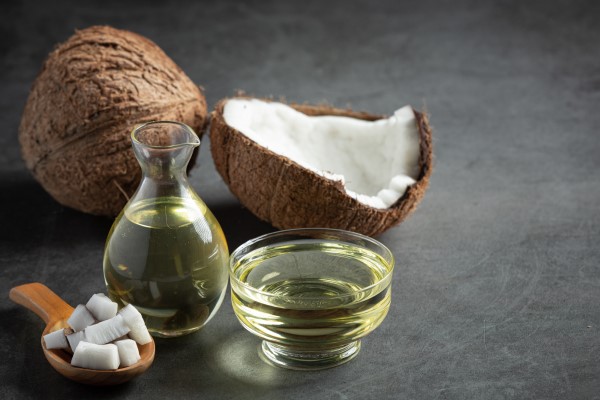
Coconut oil is a multifaceted natural remedy for this skin condition. Its antifungal and moisturizing qualities provide significant relief. This nourishing oil soothes irritated skin and helps alleviate symptoms. To use, take a small amount of coconut oil and gently massage it into the affected areas.
Focus on areas prone to irritation, such as the scalp. For optimal results, let the oil penetrate the skin for at least 30 minutes before rinsing it off. This practice helps restore balance and hydration, promoting healthier skin.
3. Apple Cider Vinegar
Apple cider vinegar possesses remarkable natural antifungal and anti-inflammatory properties. To use this remedy, begin by diluting the vinegar; mix one part apple cider vinegar with three parts water to create a gentle solution. Using a cotton pad, carefully apply the diluted mixture to the areas affected by seborrheic dermatitis.
Allow the solution to sit on your skin for about 10 to 15 minutes, giving it time to work its magic. After the recommended duration, rinse the area thoroughly with water to remove any residue. For optimal results, repeat this soothing treatment a few times each week to help alleviate symptoms and promote healthier skin.
4. Aloe Vera
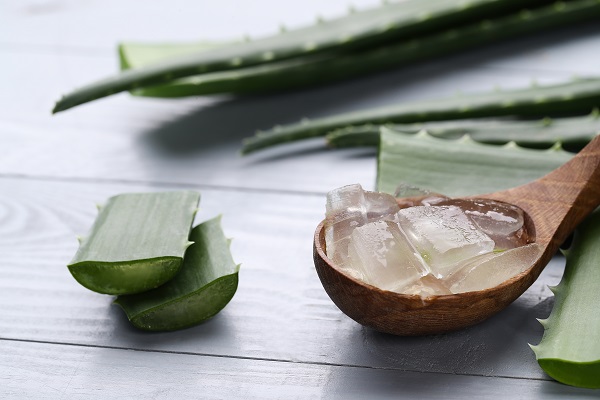
Aloe vera is famous for its remarkable soothing and healing properties. It is a natural remedy for various skin conditions. Its refreshing and cooling effect can offer significant relief from the itching and inflammation that often accompany seborrheic dermatitis. To harness its benefits, take a fresh aloe vera leaf and extract the clear gel inside.
Gently apply a thin layer of this gel directly onto the affected areas of your skin. Ensure it covers the irritated patches completely. Allow the gel to work its magic for at least 30 minutes, giving your skin time to absorb the nutrients and soothing properties. Once the time is up, rinse the area with lukewarm water, and feel the comfort of your rejuvenated skin.
5. Probiotics
Maintaining a healthy gut microbiome plays a crucial role in managing seborrheic dermatitis. One effective way to support gut health is by incorporating probiotic-rich foods into your daily diet. Foods such as yogurt, which contains live cultures of beneficial bacteria, can promote a balanced gut microbiome.
Similarly, kefir, a fermented dairy product, is packed with probiotics and can deliver a diverse array of beneficial microorganisms. Additionally, incorporating fermented vegetables like sauerkraut, kimchi, and pickles can also provide valuable probiotics. These foods may help enhance the overall health of your microbiome, potentially leading to a reduction in the symptoms of seborrheic dermatitis, such as irritation and inflammation.
What is the cause of seborrheic dermatitis?
The exact reasons behind the development of seborrheic dermatitis remain uncertain. However, experts believe that several factors contribute to its occurrence. These factors include the composition of sebaceous gland secretions, the presence of certain yeasts called Malassezia, and abnormal immune responses.
Even people without serious underlying health conditions can be at risk for those with this condition. Several additional factors may contribute to its development. They include significant life stress, traumatic experiences, and low sunlight exposure, leading to possible vitamin D deficiency. It could also be because of hormonal changes like pregnancy or menopause.
Signs and symptoms of Seborrheic Dermatitis
Seborrheic dermatitis is an exceptional skin condition that stands out due to its ability to cause both excessive dryness and oiliness. The hallmark of this condition is the presence of red, greasy skin covered with flaky white or yellow scales.
Red, dry, and sensitive skin
Seborrheic dermatitis is a skin condition that can lead to significant discomfort. It manifests as persistent redness and dryness across affected areas. The skin may become visibly irritated, often exhibiting shades of yellow or pink in certain patches.
This condition can contribute to heightened sensitivity, leaving the skin feeling tender and uncomfortable. Ultimately, those suffering from this infection frequently experience a notable level of distress due to these symptoms.
Dryness and flaking
Certain areas of the skin, particularly those that naturally fold or are prone to oiliness, may exhibit increased dryness and flaking. The T-zone of the face, which includes the nose, chin, and forehead, is an example. Additionally, the upper chest and back may show similar signs of dryness. This phenomenon can lead to the skin condition known as erythema.
Erythema is characterized by patches of peeling skin that appear as discolored areas, referred to as macules or plaques. These patches may display dry, white scales, which resemble flaking paint. Alternatively, they may present with moist, oily surfaces. It’s important to note that while skin peeling can occur, the simultaneous presence of papules or pustules alongside this peeling is relatively uncommon.
Scaly patches and dandruff
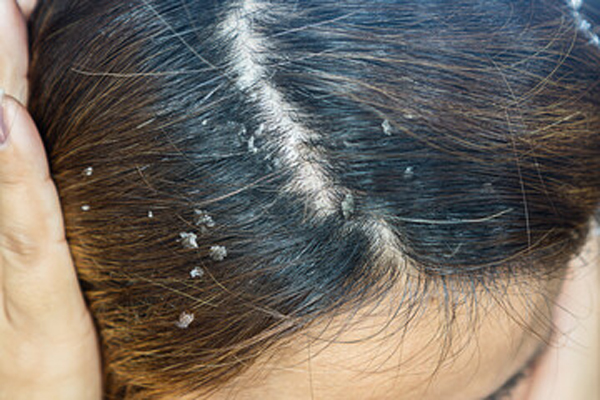
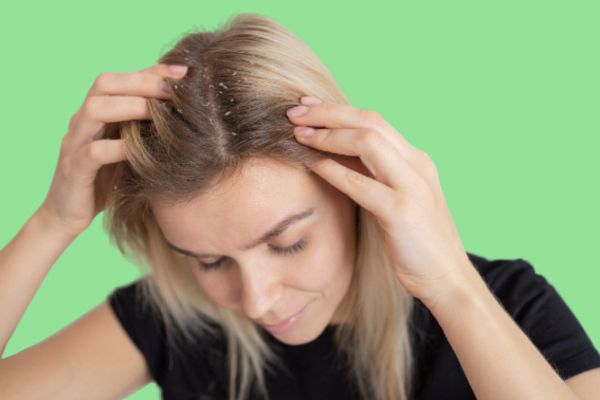
One of the most common signs of this dermatitis is the appearance of flaky patches and persistent dandruff on the scalp. This stubborn dandruff can be particularly frustrating, as it often resists typical over-the-counter treatments, such as medicated shampoos and oily remedies.
In some instances, people may notice the development of rash-like lesions on their scalp. They can vary in severity from mild itching to the formation of dull, brownish crusts. This condition can lead to the skin adhering to the hair, resulting in additional discomfort and an overall feeling of irritation.
Secondary bacterial infections of Seborrheic Dermatitis
Dry patches or deep fissures on the skin create a perfect breeding ground for bacteria. As we said before, this is caused by this type of dermatitis. This elevates the risk of secondary bacterial infections. These compromised areas of the skin may become inflamed and irritated. It is crucial to stay vigilant and implement preventive strategies to mitigate potential complications.
Consistent monitoring of the skin’s condition plays a vital role in preserving skin health. A diligent skincare routine is also important in averting further complications. By prioritizing attentive care and early intervention, individuals can significantly enhance their chances of maintaining smoother, healthier skin.
Symptoms of Seborrheic Dermatitis
In dermatological terms, people with this condition may develop symmetrical, well-defined patches and plaques that are dull or yellowish-red. They are covered with adherent, greasy scales. The symptoms often manifest in areas of the skin that typically have a high concentration of sebaceous glands, which are responsible for producing oil. These areas commonly affected include the following parts of the body.
Scalp
Dandruff is often regarded as a milder, non-inflammatory variant of seborrheic dermatitis. This condition affects a significant number of people. Over half of those diagnosed experience troublesome symptoms on their scalp.
These symptoms typically manifest as the formation of greasy, sticky scales that adhere to the scalp and hair. It leads to persistent itching and unsightly flaking. The presence of these scales not only causes discomfort but can also be socially embarrassing for those affected.

Face
Patients with seborrheic dermatitis often experience dryness and redness. They may also develop dull or yellowish-red patches. These patches typically appear on the forehead, around the skin folds, eyebrows, and the front hairline. These areas are prone to the condition due to the high concentration of sebaceous glands. These glands produce oil that can become trapped, leading to inflammation.
Ears
Seborrheic dermatitis can also affect the ears, particularly the outer ear and the skin behind the ears. Patients may notice redness, scaling, and potentially even fissures or cracks in the skin in these areas.
Upper chest and back
This skin infection can also manifest on the upper chest and back, where there is a high concentration of sebaceous glands. Patients may develop symmetrical, well-defined patches or plaques that are covered with greasy, adherent scales.
Near the neck or collarbone
The skin around the neck and collarbone is another common site for seborrheic dermatitis. Patients may experience redness, scaling, and potentially even the formation of visible lesions in these areas.
Body folds
Any body fold, such as the groin area, can be susceptible to seborrheic dermatitis. The moist, warm environment in these areas can contribute to the development of the condition. It leads to inflammation and the formation of scales or plaques.
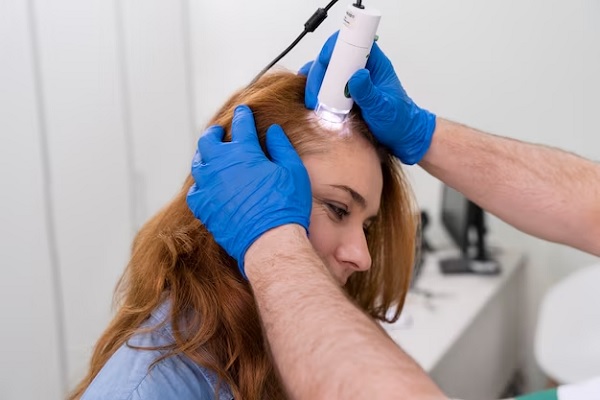
So, the key symptoms of seborrheic dermatitis typically manifest in areas with a high concentration of sebaceous glands. In these areas, excess oil production and inflammation can occur. This leads to the characteristic dull or reddish-yellow patches. Adherent, greasy scales often form as well.
Faq’s
What causes seborrheic dermatitis?
The exact cause is unclear, but it is believed to be linked to an overgrowth of yeast (Malassezia) on the skin, increased oil production, and inflammation. Genetic factors, stress, weather changes, and certain medical conditions can also contribute to the development of seborrheic dermatitis.
Is seborrheic dermatitis contagious?
No, this condition is not contagious. It is a non-infectious condition that results from an overgrowth of yeast naturally found on the skin.
Is seborrheic dermatitis common?
Yes, this is a common infection, affecting both adults and infants. It is particularly common in people with oily skin, those who are stressed, or individuals with certain medical conditions, such as Parkinson’s disease or HIV/AIDS.
Conclusion
Seborrheic dermatitis is a chronic condition that causes discomfort due to its visible and persistent symptoms, such as redness, flaking, and itching. While the exact cause remains unclear, factors like excess oil production, yeast overgrowth, and inflammation play key roles in its development. Although it is not contagious, managing seborrheic dermatitis requires consistent care and the use of appropriate treatments. Natural remedies, such as tea tree oil, coconut oil, and aloe vera, offer relief for many while maintaining a proper skincare routine and addressing underlying factors like stress and diet can significantly reduce flare-ups.


Responsable – CAPIL SOLUTIONS. S.L
*Términos y condiciones
Finalidad – Dar respuesta a las solicitudes de información, y poder enviarle nuestras publicaciones, promociones de productos y/o servicios, gestionar los comentarios en el blog
Derechos Arco - Acceder, rectificar y suprimir los datos, así como otros derechos, como se explica en la información adicional.
info@capilclinic.us
Legitimación – Consentimiento
Destinatarios – No se cederán datos a terceros salvo obligación legal
Política de privacidad – Puede consultar nuestra política de privacidad aquí
*Política de privacidad