

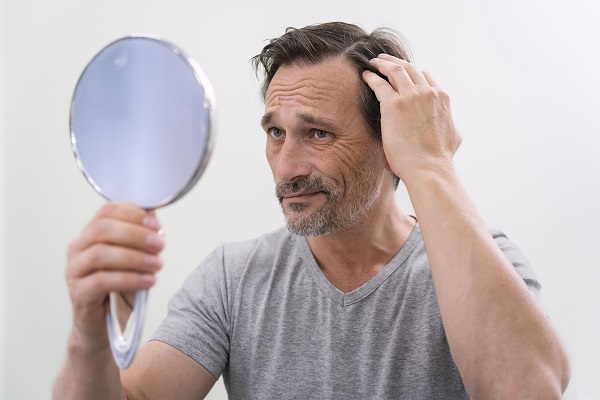
Running a comb or even your fingers through your hair every morning or night before bed may result in some strands falling out. That is perfectly normal, as old and tired hair needs to fall out for a new supply to replace it. This is what makes your hair look healthy and bulky. In this article, we will discuss the Causes of Hair Loss in Men.
However, a much-dreaded condition that affects men and women is hair thinning or baldness. That is why hair transplanting is not advised for men under 25—it is difficult to determine the cause of their condition. Before choosing the proper treatment for your hair loss, you must first identify the cause.
Now, you need information about the possible causes of hair loss in men. This way, you will know if it is permanent or temporary and if an over-the-counter medication will suffice. This blog post aims to consider the potential causes of hair loss in men and how to determine at the early stages if you are losing your hair.
The Causes of Hair Loss in Men
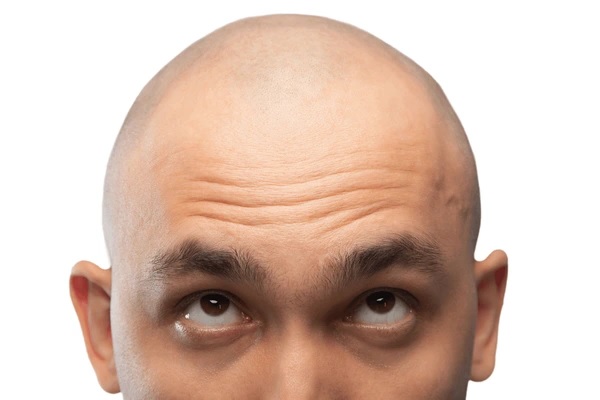
Although hair loss in men occurs in a streamlined pattern, your cause may be entirely different from that of the man sitting next to you at the hair transplant clinic. There are many reasons men lose their hair at various stages of their lives, and some of them include the following ones.
Hair Loss in Men because of Trichotillomania
You suffer from a condition called trichotillomania if you have the random but strong urge to pull out your hair. This includes hair from your head, eyelashes, eyebrows, and even beards. This condition may not do too much damage when it is mild, but it can result in bald patches of hair at severe stages. When these patches overlap, they can eventually build up and lead to baldness. It is an impulse control disorder. You should see a specialist at your next convenience.
Aging
The reason for hair loss in the aging population is that hair grows slower as you age. So, when you keep losing hair to haircuts, combing, brushing, and washing, the supply does not get replenished as fast as it comes out. This cause of hair loss is beyond our control—we accept that it will eventually happen, so we delay it as much as we can.
You can use shampoos, medication, and essential oils to delay thinning. When it reaches a stage where it becomes apparent, say, the hairline, you can decide to get a hair transplant.
Genetical Composition

Your genetic composition also determines if you will lose your hair to a condition other than aging. This condition is called male pattern baldness. The scientific reason for this is yet to be discovered. The only certainty is that you will experience it if other men in your family experience it.
Age is pretty irrelevant for this inherited condition. As early as your teens, your hair can begin to thin at the hairlines.
Prescriptions for hair loss in men
Some prescriptions contain ingredients that cause hair loss. Pills for depression, high blood pressure, and cancer may result in a loss in the density of your hair. However, the label informs you of your chances of hair loss as a side effect of these pills.
Again, you may not lose your hair – it is not always a given. But if you have just recently started taking these pills, they may be the cause of your hair loss. You need not worry; your hair will regain its bulk when you stop taking them.
Radiation Therapy for hair loss in men
Radioactive energy is terrible for the hair, and too much exposure can result in hair loss. This therapy is reserved for cancer patients, and it is used for killing cancer cells and terminating tumors. So, if you have cancer, you may be unable to avoid losing your hair in this case. However, after your treatment, the hair will grow back, and you can accelerate this process by engaging in proper and organic hair care.
Alopecia Areata
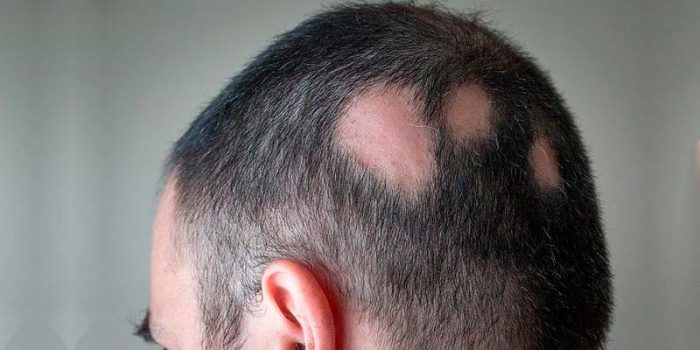
There is a medical condition that is not hereditary, contagious, or painful but still deals with hair loss. It is a disease of the immune system whereby the antibodies attack your hair follicles. Hair growth seizes when the hair falls off that spot, resulting in a bald patch.
Alopecia Areata is an incurable condition, but hair loss is usually temporary.
Dietary Choices
We bet you did not know how important protein is for hair growth. If you have been on a cleansing diet that requires you to avoid protein, that may cause hair loss. Hair needs some of the nutrients present in proteins. For instance, eggs contain sufficient sulfur, which accelerates hair growth. There are also enough vitamins present to ensure fast hair growth.
You can increase your consumption if you have not been on a diet but have realized that you do not take enough protein.
Lifestyle
Some of the habits we execute also contribute to hair loss. Holding the hair in a tight band may cause the fragile hairs at the hairline to pull out. They first become weak from too much pressure, then eventually fall out.
Brushing your hair when wet is a routine you may want to change. This is because your hair is most delicate when wet, and pressure can cause it to cut easily. Remember to stay hydrated because your hair follicles need enough water to grow. Coupled with enough oxygen, your hair will achieve the growth rate you have always wanted.
Finally, reserve a portion of your day for scalp massages. They improve blood flow in your scalp and fortify your follicles with the nutrients they need for proper hair growth.
Hormonal Changes
Metabolic changes, especially changes in dihydrotestosterone (DHT) levels, can cause hair loss. DHT is a derivative of testosterone and can cause hair follicles to shorten, reducing their lifespan.
Clinical conditions
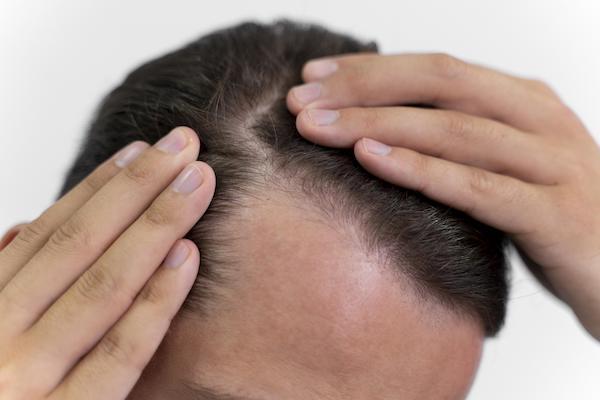
Certain medical conditions such as alopecia areata, thyroid disorders, and autoimmune diseases can cause hair loss in men. Understanding and addressing the underlying medical condition is essential for effective treatment.
Poor nutrition helps hair loss in men
Inadequate intake of essential nutrients, especially iron, zinc, and vitamins, can lead to hair loss. A balanced diet that supports overall health is crucial to maintaining healthy hair.
Stress and lifestyle factors
Chronic physical and emotional stress can cause hair loss. Additionally, poor lifestyle choices such as smoking, excessive alcohol consumption and lack of exercise can adversely affect hair health.
Symptoms of Hair Loss in Men
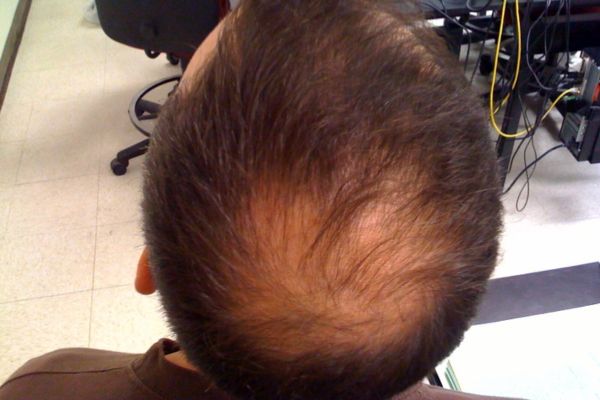
Gradual Thinning
Male pattern baldness generally appears as progressive hair loss, especially in the forehead and crown areas. The hair may retract, resulting in a primitive “M” shape.
Bald Patches
I want to remind you about the fact that, in some cases, baldness can be male-patterned, especially in conditions like alopecia areata, where the hair follicles are attacked by the immune system. This autoimmune condition can lead to hair loss in round patches on the scalp or other parts of the body. It’s important to be aware of these conditions and seek appropriate medical advice if you or someone you know is experiencing these symptoms.
Excessive flow
Hair loss that increases when you wash or comb your hair can be a sign of thinning hair. Monitoring for changes in skull density is vital for early detection.
Blistering or tenderness
In areas of hair loss, the scalp may become itchy or brittle. This can be caused by inflammation or an underlying skin condition.
Preventing Hair Loss in Men

Healthy Lifestyle Choices
Adopting a healthy lifestyle is critical to preventing hair loss. This includes eating a balanced diet rich in vitamins and minerals, exercising regularly and avoiding harmful habits such as smoking and excessive alcohol consumption
Managing Stress to avoid hair loss in men
Incorporating stress management techniques into your routine can improve scalp health and reduce the impact of stress. Practices such as meditation, yoga, deep breathing exercises, regular physical activity, and maintaining a healthy diet can all contribute to alleviating the effects of stress on the scalp. By incorporating these techniques into your daily life, you may experience a positive impact on your overall well-being and hair health.
Hair Care
It is important to keep hair clean and healthy. Washing regularly with a mild shampoo helps remove excess oil and debris, preventing dandruff from clogging.
Avoid thick hair
Tight hairstyles like ponytails or braids can put a lot of stress on the scalp and cause hair loss. Choose relaxed styles to reduce the stress on your hair.
Limit exposure to heat and chemicals
Excessive use of hot styling tools and harsh chemicals can damage hair. Limiting their use helps maintain uniformity in the hair follicles.
Things to Know About Hair Loss

Hair Growth Cycle
Understanding the hair growth cycle is important. Hair goes through a cycle of growth and relaxation. The average person sheds about 50 to 100 hairs daily, a normal part of the cycle.
Consulting an Expert
If you are experiencing severe hair loss, you should consult a health professional or dermatologist. They can assess the root cause and recommend appropriate treatment options.
Treatment options for hair loss in men
Treatment options for hair loss include topical medications. These could be oral medications. The treatments can also be hair transplants and other surgeries. The choice of treatment depends on the cause and severity of hair loss.
Patience is the key
Hair loss disease takes time to show results. It is essential to be patient and consistent with the chosen treatment plan. Results should not be expected immediately; realistic expectations are essential to a good experience.
Conclusion
You may feel alone in the race against a receding hairline, but we assure you that the opposite is true. Hair loss in men affects a larger percentage of the male population. However, knowledge separates those who succumb to hair loss from those who combat it. Knowing what causes your condition brings you steps closer to providing a solution.


Responsable – CAPIL SOLUTIONS. S.L
*Términos y condiciones
Finalidad – Dar respuesta a las solicitudes de información, y poder enviarle nuestras publicaciones, promociones de productos y/o servicios, gestionar los comentarios en el blog
Derechos Arco - Acceder, rectificar y suprimir los datos, así como otros derechos, como se explica en la información adicional.
info@capilclinic.us
Legitimación – Consentimiento
Destinatarios – No se cederán datos a terceros salvo obligación legal
Política de privacidad – Puede consultar nuestra política de privacidad aquí
*Política de privacidad