

While the genetic blueprint is a significant factor, the vitality of your hair is intricately tied to a web of influences, including environmental aspects such as weather conditions and pollution levels, in addition to the conscientious care you provide to your tresses. Delve into the profound connection between a well-balanced diet, consistent maintenance practices, and the cultivation of robust internal hair health. In this article we will talk about Healthy Hair from Within, How to Achieve It?
In-Depth Guidelines for Nurturing Lustrous Hair
Embrace the normalcy of finding a modest cluster of hair on your tiled floor, as shedding between 100 to 150 hair strands daily is part of the natural cycle. When combing damp hair, exercise heightened caution due to its increased fragility and susceptibility to breakage. Opt for a wide-toothed comb, navigating through your hair with the utmost gentleness, starting from the roots and progressing to the tips.
Bid adieu to those resilient split ends by incorporating a trimming routine every few weeks. A precision cut of approximately half a centimeter (or a quarter of an inch) at intervals of six to eight weeks acts as a preventive measure, thwarting the recurrence of split ends and fostering a continuous cycle of hair health.
Hair Care Guide
Ensuring your hair stays vibrant and resilient goes beyond simple washing habits. Experts emphasize the importance of not shampooing daily. When you do shampoo, pay attention to conditioning the tips of your strands, and consistency in using the same brand for both products is recommended. A final rinse with cold water is advised, as it contributes to preserving the sheen and strength of your hair.
Nutrient-Rich Diet for Healthy Hair

A key foundation for vibrant hair lies in a well-balanced diet. Elevate your meals with a variety of nourishing foods, including eggs, fruits, berries, almonds, shellfish, greens, and sweet potatoes. Achieving the dream of healthy hair involves making dietary changes. To foster optimal hair growth, consider the roles of the following top five vitamins and nutrients:
- Vitamin A: This vitamin aids in the production of sebum, an oily substance that helps keep the scalp moisturized.
- Vitamin E: Known for its antioxidant properties, vitamin E protects hair cells from damage and promotes a healthy scalp.
- Biotin (Vitamin B7): Vital for hair health, biotin plays a key role in the production of keratin, a protein that constitutes hair.
- Vitamin C: This vitamin helps in the absorption of iron, a crucial mineral for hair growth.
- Omega-3 Fatty Acids: Found in abundance in foods like salmon and flaxseeds, these fatty acids contribute to scalp health and hair density.
Understanding the Hair-Health Connection
Beyond aesthetics, healthy hair is often regarded as an indicator of overall well-being. Just like any other part of your body, your hair demands a spectrum of nutrients for robust growth. While factors such as age, genetics, and hormones influence hair development, maintaining a nutrient-rich diet remains fundamental. Explore the detailed benefits of the five vitamins and nutrients listed below to nurture the flourishing growth of your hair.
Vitamin A
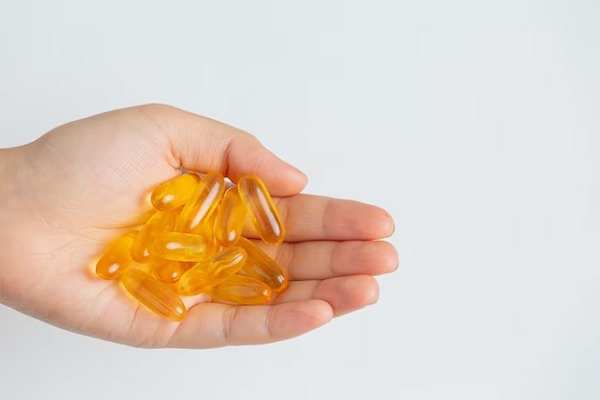
Ensuring the growth of every cell, Vitamin A plays a vital role, particularly in the rapid development of tissues like hair. This essential nutrient is crucial for skin glands, aiding in the production of sebum, an oily substance vital for hydrating the scalp and maintaining overall hair health. Inadequate Vitamin A intake can potentially lead to hair loss, underscoring its importance in one’s diet.
While sufficient Vitamin A is necessary, excessive consumption should be avoided. Studies indicate that an overdose of Vitamin A might also contribute to hair loss. The body transforms beta-carotene into Vitamin A, found abundantly in various foods like sweet potatoes, pumpkins, carrots, spinach, and kale, all rich in carotenoids.
Animal-derived products such as eggs, milk, and yogurt serve as excellent sources of Vitamin A. Cod liver oil stands out as one of the most effective sources. Striking a balance in Vitamin A intake is crucial for promoting healthy hair without the risk of potential side effects.
Vitamin B
Vitamin B, particularly biotin, is recognized as a key player in promoting robust hair development, according to experts in the field. Numerous studies have delved into the relationship between biotin deficiency and hair thinning, revealing a notable correlation. When considering biotin as a potential solution for hair loss, it is crucial to highlight that the most significant improvements are witnessed in individuals who are already grappling with a biotin deficiency. Fortunately, instances of such deficiencies are relatively rare, as biotin is naturally present in a variety of foods.
The intricate process of generating red blood cells, which play a pivotal role in transporting essential nutrients and oxygen to both hair follicles and the scalp, is facilitated by the collective contributions of various B vitamins. These biochemical functions are integral to the initiation of new hair growth. A diverse range of foods serves as excellent sources of B vitamins, encompassing dark leafy greens, seafood, whole grains, meat, almonds, and fish.
It is important to note that vitamin B12, a vital component for overall health, is predominantly found in animal-derived foods. Consequently, individuals adhering to plant-based or vegan diets may want to consider incorporating supplements into their regimen to ensure a sufficient intake of this essential vitamin. This meticulous approach to nutrition underscores the interconnected roles of different B vitamins in supporting optimal hair health.
Vitamin C
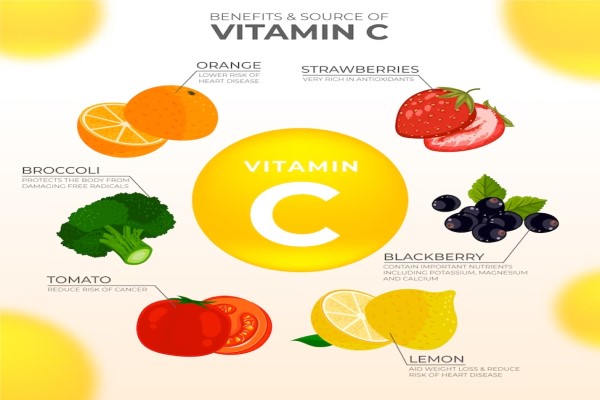
The growth and aging of hair can be affected by damage from free radicals. Vitamin C serves as a powerful antioxidant, playing a crucial role in protecting the body against oxidative stress caused by these radicals. In addition to its antioxidant function, vitamin C is essential for the production of collagen, a key building block in the hair’s structure. Adequate levels of iron are necessary for promoting healthy hair growth, and vitamin C aids the body in absorbing iron effectively. Foods rich in vitamin C include citrus fruits, guavas, peppers, and strawberries.
Vitamin D
Alopecia, the technical term for hair loss, has been correlated with insufficient levels of vitamin D, hinting at a potential role for this vitamin in the intricate process of hair formation. While the precise mechanisms of how vitamin D contributes to hair development are not fully understood, research has predominantly delved into the exploration of vitamin D receptors.
It’s noteworthy that a considerable percentage of the population falls short of the recommended vitamin D intake. There’s a promising avenue to explore in boosting your vitamin D consumption, potentially benefiting your hair health. Sunlight exposure triggers the body’s synthesis of vitamin D, offering a natural means of supplementation. Additionally, diverse dietary sources can contribute to vitamin D levels, including cod liver oil, select mushrooms, fortified foods, and fatty fish, providing a multifaceted approach to ensuring ample vitamin D for overall well-being, including potential hair health.
Vitamin E
Similar to vitamin C, vitamin E acts as an antioxidant, offering protection against the harmful impacts of oxidative stress. A research investigation revealed a 34.5 percent rise in robust hair growth among individuals facing hair loss after consuming vitamin E supplements for an eight-month period. Avocado, almonds, sunflower seeds, and spinach stand out as nutritious options to incorporate vitamin E into your diet.
How to Know Your Hair Is Healthy
Determining the health of your hair involves a nuanced evaluation encompassing several detailed indicators:
Texture and Shine
Healthy hair exudes a smooth texture and a natural sheen. Run your fingers through your hair; if it feels coarse or lacks luster, it could signify underlying health issues.
Minimal Breakage
Healthy hair is resilient and less prone to breakage. Pay attention during combing or styling; if you notice a minimal amount of hair fall, it’s a positive indication.
Elasticity
Healthy hair displays good elasticity, meaning it can stretch without breaking. Test this by gently pulling a strand; if it can stretch and return to its original length without snapping, your hair likely has optimal elasticity.
Scalp Condition
The health of your hair is intricately linked to the condition of your scalp. A well-nourished, hydrated scalp fosters the ideal environment for healthy hair growth.
Consistent Growth
Regular and consistent hair growth is a positive sign. Monitoring your hair’s growth rate and ensuring it’s not accompanied by excessive shedding or loss is key to assessing overall hair health.
Natural Color
A maintained natural color without significant dullness or discoloration is indicative of healthy hair. Sudden changes in color could be a red flag for nutritional deficiencies or other underlying issues.
Moisture Levels
Healthy hair retains moisture effectively. If your hair feels excessively dry or overly oily, it may suggest an imbalance that requires attention, possibly through adjustments to your hair care routine or diet.
Manageability
The ease with which you can style your hair and the presence of minimal frizz contribute to healthy hair. Difficulty in managing your hair or a lack of smoothness might signal underlying problems that need addressing.
Absence of Split Ends
Regular trims play a crucial role in preventing split ends. The absence of split ends is a positive indicator that you are effectively managing and caring for your hair.
Overall Appearance
A subjective assessment of your hair’s overall appearance is valuable. If your hair looks vibrant, bouncy, and well-maintained, it likely indicates good health. Consider factors like volume, thickness, and the general presentation of your hair in this evaluation.
Regular and meticulous observation of these detailed factors can provide a comprehensive understanding of your hair’s health, enabling you to take targeted steps to maintain or enhance its condition.
Conclusion
The best source for obtaining the essential vitamins that support the growth of healthy hair is through your diet. If your nutritional intake is lacking in specific nutrients, supplements could be beneficial. Research suggests that supplements are particularly helpful for individuals experiencing a deficiency in their diet.


Responsable – CAPIL SOLUTIONS. S.L
*Términos y condiciones
Finalidad – Dar respuesta a las solicitudes de información, y poder enviarle nuestras publicaciones, promociones de productos y/o servicios, gestionar los comentarios en el blog
Derechos Arco - Acceder, rectificar y suprimir los datos, así como otros derechos, como se explica en la información adicional.
info@capilclinic.us
Legitimación – Consentimiento
Destinatarios – No se cederán datos a terceros salvo obligación legal
Política de privacidad – Puede consultar nuestra política de privacidad aquí
*Política de privacidad