


Hair loss after puberty can be confusing, especially for teenagers who have already experienced early shedding. During childhood or adolescence, hair loss after puberty, known as juvenile alopecia, can cause noticeable thinning or bald patches. This type of hair loss is usually temporary and often linked to hormonal changes or fluctuations that occur before and during puberty. Once these hormones begin to stabilise, many people notice that their hair starts to recover naturally.
The reason hair loss after puberty often stops lies in the body’s balance of hormones such as DHT (dihydrotestosterone). During puberty, DHT levels increase, influencing hair growth patterns. In some cases, this can trigger hair shedding. However, as hormone levels stabilise in late adolescence or early adulthood, the hair follicles typically adapt to the new hormonal environment, reducing further loss. While genetic factors can play a role, most cases of juvenile alopecia resolve without long-term effects.
What is Juvenile Alopecia?
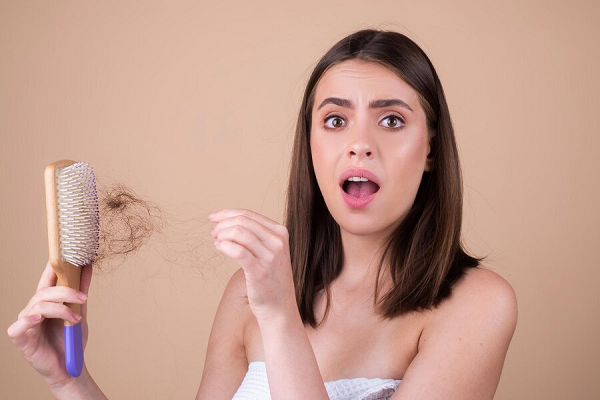
Juvenile alopecia is a condition that causes alopecia in children and teenagers, usually before puberty ends. It often appears as thinning across the scalp or small bald patches that may come and go. Although worrying for parents and young people, this form of hair loss is relatively uncommon and, in most cases, temporary. Studies suggest that a small percentage of children experience it, often due to hormonal influence on hair growth, nutritional imbalances, or stress-related factors.
The condition differs from typical adult hair loss because it occurs before the body’s hormones have fully stabilised. During puberty, shifts in hormones such as DHT (dihydrotestosterone) can temporarily disrupt the normal hair growth cycle. This leads to shedding or thinning, which usually improves once hormonal balance returns.
It’s important to distinguish between temporary and genetic alopecia. Temporary juvenile alopecia often resolves on its own, with hair regrowing once the underlying cause is addressed. Genetic alopecia, on the other hand, may indicate an early onset of androgenetic hair loss, which can continue into adulthood. A dermatologist can help determine which type is present and guide treatment or reassurance based on individual cases.
What are the different types of Juvenile Alopecia?
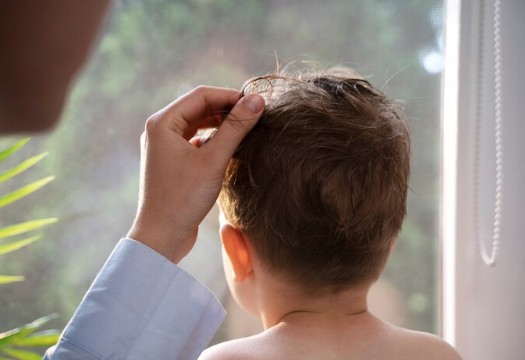
Juvenile alopecia, or hair loss in children, can manifest in various forms. Some common types include:
- Alopecia Areata: This is characterized by round patches of hair loss on the scalp, eyebrows, or other parts of the body. This type of alopecia occurs when the immune system mistakenly attacks hair follicles.
- Traction Alopecia: Caused by constant pulling or tension on the hair, often due to tight hairstyles or braids. This type can result in hair breakage and loss, particularly along the hairline.
- Trichotillomania: An impulse control disorder where children habitually pull out their own hair, leading to noticeable patches of hair loss. It is often linked to stress or anxiety.
- Telogen Effluvium: This occurs when there is a disruption in the hair growth cycle, causing a large number of hair follicles to enter the resting (telogen) phase simultaneously. It can be triggered by illness, surgery, or emotional stress.
- Tinea Capitis (Ringworm of the Scalp): A fungal infection that can lead to hair loss. It often presents as scaly, itchy patches on the scalp with broken hairs.
- Androgenetic Alopecia: Although more common in adults, some children may experience hereditary hair thinning or baldness. It is associated with a genetic predisposition.
- Secondary Syphilis: In rare cases, syphilis can cause hair loss in children. This is a sexually transmitted infection that can be passed from an infected mother to her baby during childbirth.
Hormonal changes during puberty
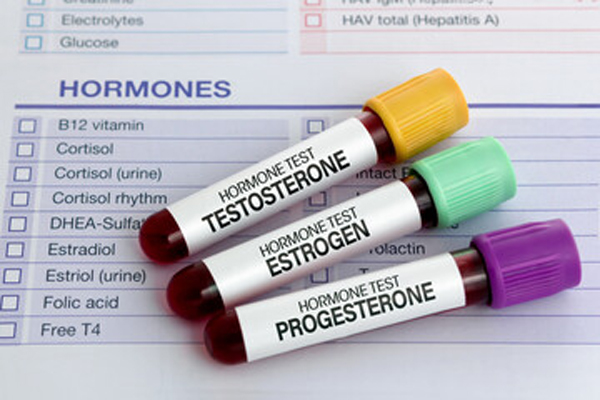
Puberty triggers a surge of hormones, especially androgens, which play a key role in physical development. These hormones also have a significant impact on hair follicles. During this time, the scalp may experience increased sensitivity to DHT (dihydrotestosterone), a derivative of testosterone. DHT can temporarily shrink hair follicles, leading to miniaturisation and shedding. This is a common reason why some teenagers notice hair loss after puberty.
However, this process is often self-limiting. As hormone levels stabilise, hair follicles adjust to the new hormonal environment. Many follicles that appeared weakened begin to recover, producing thicker, stronger hair. This explains why teenage hair loss recovery is possible in most cases of juvenile alopecia.
The timing and severity of hair changes vary among individuals. Genetics can influence how sensitive follicles are to DHT, but in most adolescents, the temporary shedding resolves naturally. Maintaining a healthy lifestyle, including good nutrition and stress management, can support hair recovery during this period. Understanding the role of androgens and DHT helps explain why early hair loss is not necessarily permanent and why hair loss after puberty often stops without intervention.
Why hair loss may stabilise after puberty
Hair loss after puberty often stabilises as the body reaches hormonal balance. During adolescence, androgen levels, particularly DHT (dihydrotestosterone), can fluctuate, temporarily affecting hair follicles. These fluctuations can trigger shedding or miniaturisation, especially in sensitive follicles. Once hormones settle, hair follicles adapt to the new environment, allowing hair regrowth and often ending the cycle of shedding. This is a key reason why many teenagers experience improvement in hair density without medical intervention.
Nutritional and metabolic improvements during puberty also contribute to stabilising hair growth. Teenagers who develop healthier eating habits, including adequate protein, iron, zinc, and vitamins, often see better hair strength and resilience. These nutrients support the natural growth cycle of hair follicles, helping to reverse thinning caused by temporary juvenile alopecia.
For cases linked to the immune system, such as autoimmune-related juvenile alopecia, the body’s immune response may decrease with age. This reduction in immune activity allows hair follicles previously targeted by the immune system to recover, further explaining why hair loss often stops after puberty.
It’s important to distinguish between temporary juvenile hair loss and genetic forms of hair loss, as treatment approaches differ. The table below summarises the main differences between these causes:
| Cause | Typical age | Temporary | Treatment Needed |
|---|---|---|---|
| Juvenile alopecia | <13 years | Often yes | Observation, diet, lifestyle |
| Androgenetic alopecia | >18 years | No | Medical treatment, monitoring |
Understanding these differences can help parents and teenagers manage expectations and reduce anxiety. While juvenile alopecia often resolves naturally, recognising early signs of androgenetic alopecia allows timely intervention. Maintaining a balanced diet, reducing stress, and monitoring hair changes can all support healthy follicle recovery during adolescence. Ultimately, most teenagers see hair loss after puberty stops as their bodies reach maturity and hair growth patterns stabilise.
How to support healthy hair growth in teens
Supporting hair growth during adolescence begins with nutrition. A balanced diet rich in protein, iron, zinc, and vitamins such as A, C, D, and E is essential for healthy follicles. Foods like lean meats, eggs, leafy greens, nuts, seeds, and whole grains provide the nutrients that help hair recover from temporary shedding. Staying well-hydrated also supports overall scalp health.

Choosing safe hair products is another important factor. Gentle shampoos and conditioners that do not strip natural oils help maintain a healthy scalp. Avoid harsh chemical treatments or heat styling that can weaken hair. Over-the-counter products such as minoxidil should generally be avoided in teenagers unless prescribed by a dermatologist, as they can have side effects and are not always suitable for developing bodies.
Lifestyle factors also play a role. Stress reduction, regular sleep, and moderate exercise all contribute to healthier hair growth. Alopecia in young people can benefit from these simple but effective habits alongside proper nutrition and scalp care.
It’s crucial to know when to see a dermatologist. If shedding persists beyond three months, occurs in patchy patterns, or is accompanied by redness, itching, or scalp irritation, professional evaluation is recommended. A dermatologist can determine whether the hair loss is juvenile alopecia, early androgenetic alopecia, or linked to another underlying condition, and guide appropriate treatment or reassurance.
By combining a nutrient-rich diet, safe hair care practices, and monitoring for warning signs, teens can optimise their chances of hair recovery after puberty. Most cases of juvenile alopecia improve naturally, and adopting these supportive measures ensures hair stays strong and healthy during this critical period of growth.
FAQ’s
Can alopecia in children disappear naturally?
Yes. Many cases of juvenile alopecia resolve on their own as children grow. Temporary hair loss is often linked to hormonal changes or minor stressors, and hair usually regrows once the body stabilises. Maintaining a balanced diet and healthy scalp care can support recovery, but most children see improvement without medical treatment.
Does puberty help hair regrow?
Puberty can positively influence hair regrowth. As hormone levels stabilise, particularly DHT and other androgens, hair follicles often recover from temporary miniaturisation. This explains why hair loss after puberty frequently stops and hair density improves naturally in many teenagers. A healthy lifestyle and nutrition can further support this recovery.
Are there early warning signs for adult alopecia?
Some signs may indicate a risk of future androgenetic alopecia. These include persistent thinning at the temples or crown, slow regrowth after shedding, or a family history of adult hair loss. Early recognition allows timely consultation with a dermatologist, who can guide monitoring or preventive treatment if necessary.
Conclusion
Hair loss after puberty can be unsettling for teenagers and their families, but in most cases, it is temporary and part of the natural adjustment to hormonal changes. Juvenile alopecia often resolves on its own as the body reaches hormonal balance, nutritional status improves, and hair follicles recover from temporary shedding. Understanding the difference between temporary hair loss and early signs of androgenetic alopecia helps set realistic expectations and avoid unnecessary worry.
Supporting healthy hair growth in teens involves maintaining a balanced diet, using gentle hair care products, and practising stress management. While most cases improve without medical intervention, consulting a dermatologist is recommended if shedding persists, appears patchy, or is accompanied by scalp irritation. Early evaluation ensures proper guidance and reassurance, particularly for cases that may require treatment.


Responsable – CAPIL SOLUTIONS. S.L
*Términos y condiciones
Finalidad – Dar respuesta a las solicitudes de información, y poder enviarle nuestras publicaciones, promociones de productos y/o servicios, gestionar los comentarios en el blog
Derechos Arco - Acceder, rectificar y suprimir los datos, así como otros derechos, como se explica en la información adicional.
info@capilclinic.us
Legitimación – Consentimiento
Destinatarios – No se cederán datos a terceros salvo obligación legal
Política de privacidad – Puede consultar nuestra política de privacidad aquí
*Política de privacidad