

Anaesthesia in hair transplant is a fundamental element that ensures patient comfort and allows for the precise and efficient execution of hair restoration surgery. It is applied before the procedure begins, specifically to desensitize the scalp and reduce discomfort. This is particularly important because a pain-free experience is essential for the success of any hair transplant. Administering anesthesia allows surgeons to relocate hair follicles accurately while keeping the patient relaxed. The process answers the common question: how does hair transplant work by highlighting the importance of every stage, especially the preparatory phase.
In clinical practice, anesthesia is introduced in a controlled manner to prevent any unnecessary stress for the individual undergoing the operation. The anxiety reduction improves the overall experience and enhances cooperation between the patient and surgical staff. Many patients refer to their hair transplant before and after journey as surprisingly comfortable due to the advanced use of local anesthesia throughout the process.
The surgeon’s ability to work uninterrupted directly impacts the quality of the final outcome. Anesthesia helps eliminate involuntary movements or reactions to pain, which in turn aids in achieving natural-looking results. Furthermore, understanding how anaesthesia works is especially relevant when considering hair transplant fees, as this step forms a vital part of the entire surgical package. It adds to the professionalism of the service and reinforces the patient’s confidence in the procedure being performed under the safest and most comfortable conditions.
Finally, for those considering procedures involving larger follicle counts—like a 5000 grafts hair transplant cost Turkey package—the importance of proper anaesthesia becomes even more evident. Anaesthesia in hair transplant not only ensures a painless surgical experience but also lays the foundation for excellent results, making it a key factor in both the success of the surgery and patient satisfaction.
What are the types of anaesthesia in hair transplant?
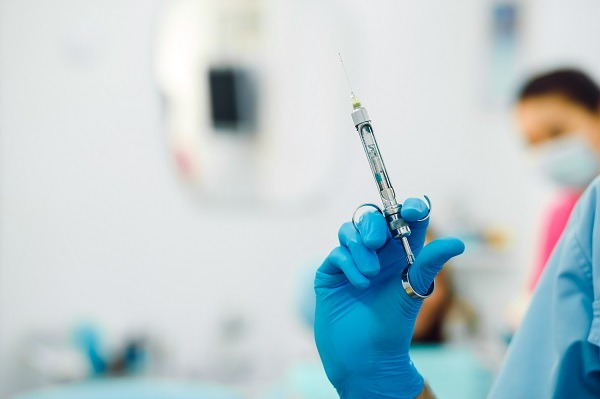
There are three main categories of anaesthesia: local, regional, and general. Each has unique characteristics and directly impacts the patient’s comfort and experience. Understanding the types of anaesthesia in hair transplant is essential for choosing the best approach for your needs. Let’s examine each type of anaesthesia in hair transplant and how it contributes to the success of the procedure.
Local Anaesthesia
Local anaesthesia is administered through sedation, allowing the patient to remain calm and pain-free throughout the procedure. This method creates a state of relaxation and comfort while the surgery is underway. Local anaesthesia may also cause temporary unconsciousness, muscle relaxation, inhibition of reflexes, pain relief, and slight memory loss. It is commonly used to reduce anxiety and ensure the scalp is completely numb during the session.
When considering how does hair transplant work, local anaesthesia plays a crucial role. It numbs the donor and recipient areas, allowing the surgeon to extract and implant grafts with precision. The patient remains mostly conscious, facilitating a safe and controlled environment without discomfort.
Regional Anaesthesia
Regional anaesthesia involves targeting specific areas of the body, as opposed to the full-body effect of general anaesthesia. In hair transplants, this often includes applying numbing cream or local injections to the scalp region.
The medication blocks pain receptors in the targeted area, enabling the patient to remain awake but free from any sensation in the surgical zone. This method combines effectiveness with minimal invasiveness, supporting a smoother recovery process and a more pleasant surgical experience.
General Anaesthesia
On the other hand, general anaesthesia leads to full unconsciousness and short-term memory loss during the operation. The patient sleeps deeply and does not recall the procedure upon waking.
Anaesthesia in hair transplant procedures may involve both intraoperative and post-operative pain management techniques. These ensure optimal comfort, enhance safety, and contribute to successful outcomes, especially in complex or lengthy sessions requiring a higher level of sedation.
What are the benefits of anaesthesia in hair transplant?
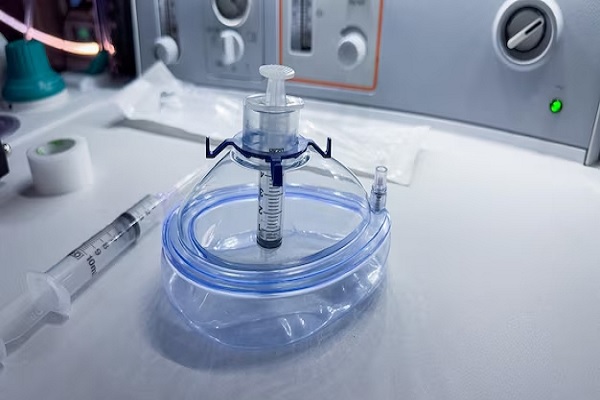
Anaesthesia in hair transplant procedures plays a crucial role in ensuring a pain-free and stress-free surgical experience for patients. By numbing the scalp and minimizing discomfort, it significantly enhances the safety and quality of the entire operation. Its importance extends far beyond simple pain control, influencing every stage of the hair restoration process. Below, we explore the many benefits that make anaesthesia an indispensable part of successful hair transplant surgeries.
1- Pain relief
One of the primary reasons for using anesthesia in hair transplant procedures is pain relief. The extraction and implantation of hair follicles involve tiny incisions that could otherwise cause significant discomfort. With proper anesthesia, the treated area is completely numb, allowing the patient to remain relaxed throughout the procedure. This eliminates the need for breaks due to pain, making the process much more manageable for both patient and surgeon.
2- Patient comfort
Beyond pain management, anesthesia contributes greatly to the overall comfort of the patient. The calming effect it provides reduces stress and anxiety, making the entire experience more pleasant. When a patient is relaxed, they are more cooperative and responsive to instructions, which also helps the surgical team perform their tasks more efficiently. This comfort ultimately leads to higher patient satisfaction.
3- Surgeon’s focus
Anesthesia allows the surgical team to focus completely on technique and detail, without being distracted by patient discomfort or interruptions. This results in better overall performance and improved outcomes. Furthermore, when considering hair transplant fees, it’s important to note that anesthesia is often included in the total cost. This highlights its essential role in the procedure and justifies its value in delivering a successful, stress-free transplant.
4- Surgical precision
Anesthesia enhances surgical precision by keeping the treatment area completely still and pain-free. This allows the surgeon to make exact incisions and strategically place grafts for natural-looking outcomes. In the absence of discomfort, the surgeon can focus solely on technique, which increases the overall success of the transplant. A motionless and comfortable scalp provides the ideal conditions for accuracy.
5- Reduced surgical time
Anesthesia shortens the total surgical time significantly. When a patient is not experiencing pain, the procedure can move along smoothly without delays or interruptions. Surgeons can complete each step without needing to pause or address discomfort, leading to more efficient use of time. This not only benefits the surgical team but also enhances the patient’s overall experience.
6- Minimized involuntary movements
During delicate procedures like hair transplants, even minor patient movements can be problematic. Anesthesia minimizes involuntary movements by relaxing the body and keeping it stable. Without anesthesia, the risk of flinching or shifting increases, which can compromise the accuracy of graft placement. With a stable environment, complications are far less likely to occur.
7- Enhanced patient experience

Patients often cite the use of anesthesia as a key factor in their positive hair transplant experience. Knowing that pain will be managed from start to finish brings peace of mind. The reduced anxiety and improved comfort make the surgery feel less daunting. This positive experience also encourages patients to follow through with post-operative care and recommend the clinic to others.
8- Minimal postoperative pain
The effects of anesthesia do not end with the procedure. Many patients report less postoperative pain thanks to long-lasting numbing agents used during surgery. This benefit contributes to a quicker, more comfortable recovery and lowers the need for heavy pain medication. It allows patients to return to daily activities sooner and with less distress.
How is anesthesia used in hair transplant?
The primary purpose of this anaesthesia is to curb pain, and it can be administered through different techniques. First, it can be administered through infiltration through the tumescent method. Second, the process ensures that the proposed surgery site is firm and sometimes swollen. The swelling and firmness result from the administration of a heavy dose of diluted anaesthesia. Finally, anaesthesia also ensures that graft implantation into the patient’s tissue is carried out efficiently.
As we said, there are three significant kinds of anaesthesia. They are local, regional, and general anaesthesia. Still, general anaesthesia can take two primary forms – post-operative and intraoperative measures.
1- Intraoperative measures
Every surgical procedure comes with anxiety and fear of what is to come. To manage this feeling, the clinicians administer slight or deep sedation. Many patients prefer receiving slight sedation during their hair transplant procedure. That’s because it actively offers both relaxation and consciousness.
- Slight sedation: It does not make a patient unconscious, and he can still respond to his environment.
- Deep sedation: It shuts down the patient’s senses. It is quite the opposite because the patient loses consciousness temporarily. Until the operation is thoroughly done, he is unaware and generally feels numb.
An important information is that doctors may use vasoconstrictors. Vasoconstrictors narrow blood vessels and, therefore, help doctors arrest bleeding during the procedure. They can also be compressed and used on the affected part of the body to reduce pain and inflammation.
2- Post-operative measures
Post-operative care is essential for promoting healing and preventing complications after a hair transplant. It complements the surgical process and directly influences the outcome. Understanding how does hair transplant work helps patients appreciate the importance of recovery steps, as the newly implanted grafts need time and care to take root and grow successfully. One of the key elements of this phase involves medication, which can be categorised according to its specific purposes:
-
Anti-inflammatory drugs: These are typically prescribed to reduce swelling and discomfort in both the donor and recipient areas. They help control inflammation that naturally occurs after the procedure. Most of these drugs are taken orally and are administered during the first few days post-surgery to ease the initial healing process.
-
Pain relievers: Mild pain or discomfort is common after the operation. Doctors often recommend over-the-counter or prescription painkillers to ensure patient comfort during recovery. These medications allow for better rest, which is important for effective healing.
-
Antibiotics: To prevent infection at the surgical sites, especially in cases where patients may be more prone to bacterial exposure, clinicians often prescribe a short course of antibiotics. These help ensure the scalp remains free from harmful microbes, protecting the newly transplanted grafts and the surrounding skin.
-
Other supportive medications: In some cases, doctors may suggest additional treatments, such as topical antiseptics, medicated shampoos, or oral supplements to support scalp health and overall recovery. These can vary depending on the specific clinic’s protocol and the patient’s individual needs.

Each type of medication plays a specific role in the healing process and is typically accompanied by strict instructions to follow. Proper adherence to this medication plan is critical to achieving the desired outcome and avoiding post-surgical complications.
What complications can arise during a hair transplant with anesthesia?
Facts about anaesthesia in hair transplantation
As a patient, educator, or enthusiast, there are several important factors to consider regarding a hair transplant procedure. One such factor is patient awareness during the operation. While it is common for patients to remain awake, they may feel light-headed or dizzy due to the mild sedation administered before the surgery begins. This form of sedation is carefully controlled and allows the patient to stay conscious without feeling significant pain or anxiety.
General or deep sedation, which induces unconsciousness, is rarely used during this type of procedure. This is because being unconscious for an extended period can increase the risk of complications and interfere with basic physiological responses, including skin function. Furthermore, general anaesthesia may pose risks to individuals with underlying health conditions. Therefore, most hair transplant procedures are performed under local anaesthesia, which numbs only the targeted area and allows for a safer and more manageable experience.
Remaining alert during the operation is also necessary for the effectiveness of the procedure. Surgeons rely on patient feedback, especially when assessing pressure sensitivity in the scalp. In the days following the surgery, it is normal to experience numbness, tightness, or itching in the treated area—these are common signs of healing. Pain tends to be mild and typically subsides gradually over a few days. These experiences are often detailed in hair transplant before and after accounts, giving future patients a realistic expectation of the recovery timeline.
In some cases, the FUT (Follicular Unit Transplantation) method is used, which involves a slightly different anaesthesia approach. With this technique, discomfort is usually minimal and limited to the first week after the surgery. Beyond this initial phase, most patients report no lasting side effects, and the recovery process continues smoothly.
Conclusion
Anaesthesia in hair transplant plays a fundamental role in ensuring that patients undergo the procedure with minimal discomfort and maximum confidence. Whether it’s local or sedation-based anesthesia, the goal is always the same: to provide a safe and pain-free experience tailored to the individual. Understanding the types and techniques available helps patients make informed decisions in collaboration with their medical team.
Modern methods have significantly improved the delivery and effects of anesthesia, reducing both risks and recovery times. Clinics now prioritise patient comfort more than ever, using advanced tools and protocols. This evolution means that a hair transplant is no longer a stressful procedure but a smooth, manageable process.
Every patient’s sensitivity, health condition, and preference must be evaluated beforehand to choose the most appropriate type of anesthesia. Pre-operative consultations are essential for identifying any possible complications and ensuring optimal safety. Clear communication between the patient and the surgical team is key throughout.
In summary, anaesthesia in hair transplant is not just a technical element but a critical component of the overall experience. If you’re considering restoring your hair and want expert care in a clinic that puts your safety and comfort first, visit capilclinic.us and take the first step toward your transformation today.


Responsable – CAPIL SOLUTIONS. S.L
*Términos y condiciones
Finalidad – Dar respuesta a las solicitudes de información, y poder enviarle nuestras publicaciones, promociones de productos y/o servicios, gestionar los comentarios en el blog
Derechos Arco - Acceder, rectificar y suprimir los datos, así como otros derechos, como se explica en la información adicional.
info@capilclinic.us
Legitimación – Consentimiento
Destinatarios – No se cederán datos a terceros salvo obligación legal
Política de privacidad – Puede consultar nuestra política de privacidad aquí
*Política de privacidad