


Hair loss is a common concern that affects self-esteem. However, for young men in their 30s, experiencing hair loss can be incredibly distressing. Going bald at a young age is often considered unusual and unattractive. This is because young men are particularly concerned about their appearance. In this post, we will discuss the topic of 30s already turning bald.
Genetic factors, hormonal changes, certain medical conditions, and lifestyle choices can cause premature baldness in your thirties. Understanding the root cause of your hair loss can help you determine the most effective treatment or preventive measures. Different types of baldness, such as pattern baldness, alopecia areata, or telogen effluvium, may require different approaches for management and treatment.
In the following paragraphs, we will explore some common causes of early hair loss, different types of baldness, preventive measures, and treatment options. Our goal at Capilclinic is to provide you with helpful information so that you can address your condition and regain your confidence.
What could be the possible causes of your baldness?
It would be best to remember that it’s normal to experience hair loss daily. Typically, it’s estimated that people shed between fifty and one hundred hairs each day. However, because hair also grows simultaneously, this natural process is often not a cause for concern.
So, why do we go bald?

Well, baldness is a condition that occurs when our hairs do not grow quickly enough or entirely enough to replace the hairs that have been lost. This condition can be brought on by various factors, one of which should undoubtedly be present in your life. Because the potential causes of your baldness will determine the type of treatment you should receive, you must be aware of these factors.
For instance, if your baldness is the consequence of stress or trauma, a hair transplant is not the best option for you to consider. It is because such baldness is often temporary and should subside as soon as you start to de-stress. This is the reason behind this. Then, do you see? This information is equally valuable as the solution you want to find.
Understanding Early Hair Loss
Hair loss, or alopecia, can be caused by many things, such as genes, changes in hormones, stress, and how you live your life. Men usually lose their baldness or go bald as they get older. Still, some people may start to lose their hair in their 20s or early 30s. To find the best answer for your hair loss, you need to know what is causing it. Some or all of the following things could lead to hair loss:
-
Heredity
The strength of our hair follicles decreases with age. Nevertheless, heredity can also play a significant role. The hereditary hair loss disorder androgenetic alopecia, sometimes called male-pattern baldness, affects a large percentage of the population. Typical male pattern baldness symptoms include a receding hairline, patches of baldness, and thinning hair on the scalp’s top layer. If you’re experiencing hair thinning, see whether there’s a connection to your family tree.
-
Medical conditions and hormonal imbalances
Various medical conditions can cause hair loss. Those can include hormonal changes during pregnancy, childbirth, menopause, and thyroid problems. Other medical issues include eczema, ringworm, psoriasis, and trichotillomania, a disease characterized by compulsive hair pulling.
The next stage is to determine if any of these medical issues are the root cause of your baldness. If this describes you, take heart: numerous tried-and-true treatments exist to eliminate these imperfections and restore your natural beauty.
-
Supplements and medications
Alopecia can be a side effect of some drugs. These include those for cancer, arthritis, depression, high blood pressure, heart disease, gout, and autoimmune disorders. Try to remember when you first saw a difference between the start of your baldness and the commencement of your medication regimen. This can help you figure out if your meds cause your symptoms.
-
Treatments
Baldness can also be a side effect of several medical treatments, like chemotherapy. We run the risk of hair loss with any procedure that uses radiation. Because radiation is a deadly cell killer, radiation-induced hair loss may be permanent. The cells that produce hair or the hair follicles themselves are typically destroyed.
However, there is hope; you will not perish. You have the option to try out different treatments as well.
-
Stress
It’s common for some individuals to notice hair loss several months after experiencing a traumatic incident. It’s important to understand that this type of hair loss is often temporary and can be linked to the stress caused by the traumatic event. In many cases, once the stress is minimized or adequately managed, the hair typically regrows and returns to its normal state.
-
Your hair care may also be a cause
It is possible to develop traction alopecia, which results in hair loss if you wear tight hairstyles like cornrows and pinwheels. Permanent hair dyes and hot oil hair treatments are two other factors that might lead to hair loss. When scarring is present on the scalp as well, baldness has the potential to become permanent. Instead, you should steer clear of using harsh chemicals on your hair.
Solutions to Early Balding
-
Healthy Lifestyle Habits
Before seeking out more specific remedies, assessing your living patterns and working to modify them is necessary. Several factors, including inadequate nutrition, fatigue, and excessive stress, can cause hair loss. It is vital to ensure that you keep a healthy diet that is abundant in vitamins and minerals, prioritize getting enough sleep, and engage in activities that reduce stress, such as yoga or meditation. Making these adjustments to your lifestyle can have a beneficial effect not just on the health of your hair but also on your general well-being.
-
Topical Treatments
Several over-the-counter topical treatments can help slow down or even reverse early hair loss. Minoxidil, a popular topical solution, has been proven effective in promoting hair growth and preventing further loss. Applying directly to the scalp increases blood flow and stimulates hair follicles. It’s important to note that results may vary from person to person, and consistency is vital when using such products.
-
Prescription Medications
For more targeted solutions, prescription medications like finasteride may be considered. Finasteride works by inhibiting the production of dihydrotestosterone (DHT), a hormone associated with hair loss. It’s essential to consult with a healthcare professional before starting any prescription medication to discuss potential side effects and determine if it’s a suitable option.
-
Hair Growth Shampoos and Supplements
Incorporating specialized shampoos and supplements into your hair care routine can also be beneficial. Look for products containing ingredients like biotin, vitamins, and minerals that support hair health. While these products may not provide instant results, they can improve hair strength and resilience.
-
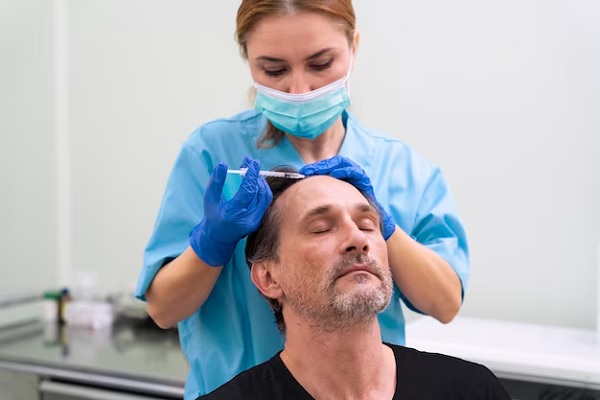
Platelet-Rich Plasma (PRP) Therapy
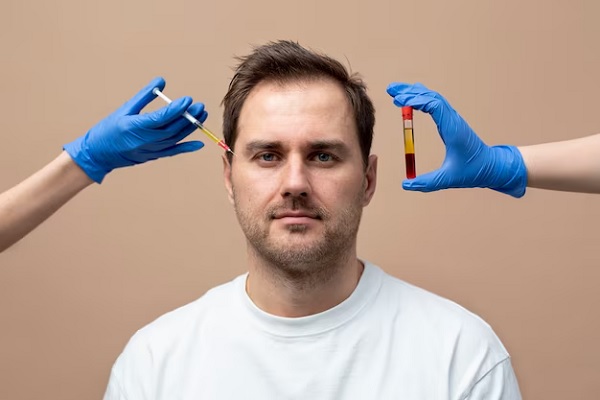
Platelet-rich plasma (PRP) therapy is a minimally invasive procedure involving drawing a small amount of the patient’s blood, processing it to concentrate platelets, and injecting the PRP into the scalp. This treatment stimulates hair follicles, promoting hair growth. PRP therapy has gained popularity as a safe and effective option for individuals experiencing early hair loss.
-
Low-Level Laser Therapy (LLLT)
Low-level laser Therapy (LLLT) is a non-invasive treatment that uses red light to stimulate hair follicles and promote regrowth. It can be administered through laser combs, helmets, or in-office procedures. While the mechanism is not fully understood, some studies suggest that LLLT increases the scalp’s blood flow and energy production, improving hair growth.
Prevention
The majority of cases of baldness are caused by heredity (male pattern baldness). This type of hair loss is irreversible and cannot be prevented. However, the following recommendations can help you avoid other preventable causes of baldness.
- Don’t be too hard with your hair. When brushing or combing your hair, use a detangler and prevent tugging, especially if your hair is wet or tangled. A wide-toothed comb may help prevent hair from being pulled out. Avoid harsh treatments on your hair, such as hot rollers, curling irons, hot oil treatments, and permanent hair color. At best, use them only once in a while and when necessary.
- Inquire with your doctor about any medications or supplements you are taking. The medication may be causing hair loss.
- Remember to take precautions to protect your hair from the damaging effects of the sun and other UV light sources. Consider wearing a hat or scarf to shade your hair and using hair products with UV protection. Also, avoid prolonged sun exposure, especially during peak UV hours.
- Quit smoking. According to the data, smoking, and baldness in men are associated.
- If you are receiving chemotherapy, speak with your doctor about possibly wearing a cooling cap. Using this hat can lower your chances of losing hair while undergoing chemotherapy.
Treatment
- Hair transplants: Hair transplants are more effective in male pattern baldness. Hair transplantation is quickly becoming one of the most popular hair restoration procedures. It promises to be a permanent remedy for your permanent baldness condition.
- PRP (platelet-rich plasma): Some patients with hair loss may benefit from this therapy, which has been used in the previous decade to assist people in recuperating following joint surgery.
- Drugs: Rogaine (minoxidil) and Propecia (finasteride) are the only FDA-approved drugs for hair loss that both men and women can use.
The takeaway
Baldness should not catch you off guard, so we urge you to take these preventive steps carefully, particularly those that may discover the fundamental cause of your baldness. Always contact your doctor if any treatment fails to address the disease.


Responsable – CAPIL SOLUTIONS. S.L
*Términos y condiciones
Finalidad – Dar respuesta a las solicitudes de información, y poder enviarle nuestras publicaciones, promociones de productos y/o servicios, gestionar los comentarios en el blog
Derechos Arco - Acceder, rectificar y suprimir los datos, así como otros derechos, como se explica en la información adicional.
info@capilclinic.us
Legitimación – Consentimiento
Destinatarios – No se cederán datos a terceros salvo obligación legal
Política de privacidad – Puede consultar nuestra política de privacidad aquí
*Política de privacidad