

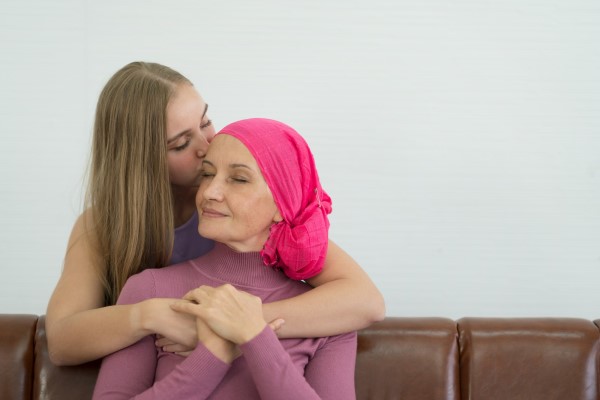
Facing a cancer diagnosis is a profoundly challenging journey that entails numerous treatments, obstacles, and physical transformations. Among the many difficult aspects of cancer treatment, the issue of cancer and hair loss stands out as a visually apparent and emotionally distressing side effect. Losing one’s hair can be a devastating blow, as it is often closely tied to one’s sense of identity and self-esteem.
Dealing with this change in appearance necessitates both preparation and support. In this comprehensive article, we will delve into the topic of cancer and hair loss, discussing its causes, emotional impact, and practical strategies to cope with and maintain a positive self-image throughout this challenging process. You are not alone in this fight!
What causes hair loss in cancer?

It is not uncommon for cancer treatments, such as chemotherapy and radiation therapy, to have a notable effect on the health and growth of hair follicles. This can result in the unfortunate side effect of hair loss, which is a common occurrence among those undergoing cancer treatment. These medical interventions target rapidly dividing cells, which, unfortunately, include the cells responsible for hair growth.
Chemotherapy
Chemotherapy can significantly affect the body’s natural hair growth cycle, often causing hair follicles to enter a resting phase earlier than usual. This disruption can lead to increased hair shedding and thinning, resulting in noticeable hair loss within weeks of starting treatment.
The amount of hair loss experienced can vary widely from person to person and is influenced by several factors. They include the specific types of chemotherapy drugs administered, the dosage prescribed, and the unique way each person’s body responds to treatment. As a result, some people may experience mild thinning, while others may experience more significant hair loss.
Radiation therapy
On the other hand, radiation therapy to the head or neck has the potential to damage hair follicles, which may result in localized hair loss in the treated area. It is worth noting that the timing and pattern of hair loss during cancer treatment may vary significantly depending on the type of cancer.
Some patients may experience gradual thinning of their hair, while others may experience more sudden and dramatic hair loss. Understanding these nuances is important, as it can help patients better prepare for and manage the emotional and practical aspects of cancer and hair loss.
Importance of emotional impact of Cancer and Hair Loss

Cancer and hair loss can have a profound emotional effect on a person and those close to them. The physical changes can lead to feelings of loss of identity, self-consciousness, and vulnerability. Loss of hair and physical changes to the body can cause patients to grieve.
During a difficult medical journey, hair loss can represent a more profound loss of control and autonomy. Not controlling one’s body and how it looks can be distressing. Additionally, the emotional impact extends beyond the patient. Family and friends may also struggle to provide support and comfort while witnessing their loved ones’ changing appearance and deteriorating health.
Ways to deal with cancer and Hair Loss
Cancer and hair loss are complex emotions to deal with. Anger, sadness, and guilt are all valid reactions. Patients and their loved ones can work through these emotions with resources for emotional support, peer counseling, and creative outlets.
Here are some methods and tips for managing cancer and hair loss or accompanying the person you love who is suffering from it.
Give yourself time to adjust
Coping with hair loss is difficult. It takes time to adjust to your new look and regain your confidence. It is important to understand that cancer and hair loss are usually temporary.
Your hair will grow back after treatment. Allow yourself to be excited, but also remember that this change is temporary.
Prepare for hair changes in advance
It is helpful to prepare for changes in your hair before starting cancer treatment. Talk to your doctor about what to expect, and seek advice from a stylist who understands cancer-related hair loss.
Decide whether you prefer head coverings such as turbans, caps, scarves, hats, or head wraps. Choose what makes you feel most comfortable, and think about how you will react to others’ reactions.
Consider head coverings beforehand
If you choose to use a wig, hairpiece, or other head coverings, it is advisable to obtain them before you start losing your hair. Look for a specialty store that can match the color and texture of your natural hair.
In addition, consider having the wig styled in advance. Besides, explore insurance plans or assistance programs that may help cover the costs associated with head coverings.
Opt for a shorter hairstyle before treatment
To make the experience of cancer and hair loss less stressful, get a shorter hairstyle before starting cancer treatment, especially if you currently have long hair. Having shorter hair when hair loss begins can be less alarming.
Cutting your hair can also provide a sense of control over the situation. Some people opt to shave their heads once they notice hair loss to avoid scalp irritation or itchiness.

Be gentle with your hair
When dealing with hair loss, it’s essential to treat your hair gently. Use a soft-bristle hairbrush or a wide-tooth comb, and opt for a mild shampoo. Avoid washing your hair too frequently. Pay special attention to your scalp, as it can become dry and itchy.
When drying your hair, gently pat it with a soft towel. Also, minimize using hair clips, elastic bands, barrettes, and pins, as they can pull on your hair. As new hair starts to grow, continue to care for it delicately.
Avoid potential irritants
To reduce hair loss, avoid exposing your hair to heat and chemicals. Refrain from using hair coloring, perms, relaxers, and tools such as electric rollers, hair dryers, flat irons, or curling irons. Additionally, be careful with hair products that contain alcohol or menthol, as they can dry out your hair and irritate your scalp. Instead, choose gentle and mild shampoos.
Protect your head
Taking precautions to protect your scalp can help prevent further discomfort. To prevent hair from falling out in clumps at night, wear a hair net or sleep on a satin pillowcase.
When spending time in the sun, apply sunscreen to your scalp to protect it from sunburn, as this can worsen itchiness, flakiness, and dryness. In colder weather, wear a hat or scarf when outdoors to keep your head warm and protected.
Highlight your best features

Exploring ways to enhance your appearance can significantly boost your self-esteem. Consider experimenting with new makeup techniques and clothing styles that highlight your features. It’s also essential to take good care of your skin and nails.
If your eyebrows and eyelashes begin to thin, choose eyebrow pencils and eyeliners that match your natural color or are slightly lighter. Additionally, maintaining your regular hygiene routine is crucial.
Indulge in self-care
During your cancer diagnosis, it’s important to make time for activities that bring you joy and help take your mind off things. Consider engaging in activities like watching a movie, reading a book, taking a walk, and listening to music.
You can also pamper yourself with a manicure, pedicure, facial, or massage. Additionally, exploring relaxation techniques such as deep breathing exercises or meditation can significantly contribute to your overall well-being.
Maintain a healthy lifestyle
Embracing a healthy lifestyle can significantly enhance your appearance and overall well-being. Focus on eating a nutritious diet, staying hydrated, and engaging in regular exercise. Consult your doctor about the significance of making healthy choices.
Also, consider asking for a referral to a dietitian who can help you design a balanced meal plan. A rehabilitation therapist can also assist you in creating a personalized exercise regimen.
Build a support network

Discuss the challenges you face with hair loss with your friends and family, as their support can be incredibly valuable. Consider joining a cancer support group where you can connect with others experiencing similar issues and gain insights and advice on coping with changes in appearance. Remember, seeking professional guidance from a psychologist or counselor can also offer emotional support throughout this journey.
Faq’s
When does hair loss typically occur during cancer treatment?
The timeline for hair loss can vary, but it often begins within a few weeks of starting chemotherapy. Radiation therapy targeted to the head or neck area can also cause localized hair loss, which may be more gradual in onset.
Will my hair grow back after cancer treatment?
Yes, hair is expected to regrow after cancer treatment is completed. However, the timeline for hair regrowth can vary, typically ranging from a few months to more than a year. This variation is influenced by individual factors and the specific types of treatments undergone.
How should I care for my scalp and remaining hair during treatment?
Be gentle with your hair by using mild shampoos and soft brushes. Avoid heat styling, chemical treatments, and products that can irritate the scalp. Protect your scalp from sun exposure and extreme weather.
Conclusion
Facing hair loss during cancer treatment can be a daunting experience, but with preparation and support, it can be manageable. Understanding the causes, being proactive about treatment options, and practicing self-care can make this transition easier.
Patients should remember that hair loss is usually temporary, and there are many ways to feel empowered and maintain self-esteem. Support from loved ones and access to resources can make this journey less isolating and remind patients that they are not alone. Ultimately, the goal is to focus on wellness, inner strength, and healing so patients can face this challenge with resilience and hope.


Responsable – CAPIL SOLUTIONS. S.L
*Términos y condiciones
Finalidad – Dar respuesta a las solicitudes de información, y poder enviarle nuestras publicaciones, promociones de productos y/o servicios, gestionar los comentarios en el blog
Derechos Arco - Acceder, rectificar y suprimir los datos, así como otros derechos, como se explica en la información adicional.
info@capilclinic.us
Legitimación – Consentimiento
Destinatarios – No se cederán datos a terceros salvo obligación legal
Política de privacidad – Puede consultar nuestra política de privacidad aquí
*Política de privacidad