

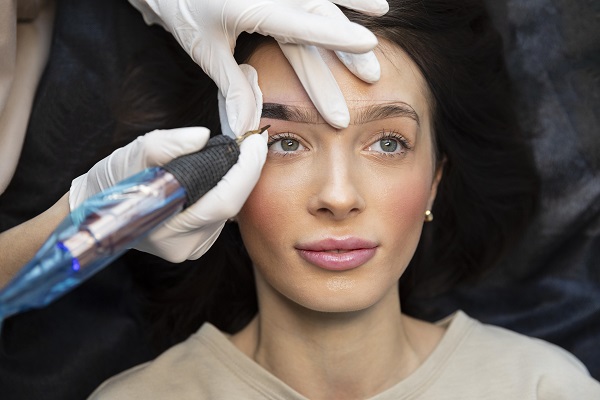
Capillary micropigmentation has emerged as a groundbreaking technique for people grappling with thinning hair or the distressing effects of balding. This innovative method employs advanced pigment application to create the illusion of fuller, more vibrant hair, effectively mimicking the look of natural hair follicles.
Moreover, it acts as a long-lasting and permanent solution to the visible signs of hair loss, empowering people to reclaim their confidence and significantly enhance their appearance. By skillfully replicating the richness and depth of natural hair, capillary micropigmentation not only restores the aesthetic balance of the scalp but also revitalizes self-esteem and personal style. Undoubtedly, it is a transformative option for those wishing to address hair loss.
What is Capillary Micropigmentation?
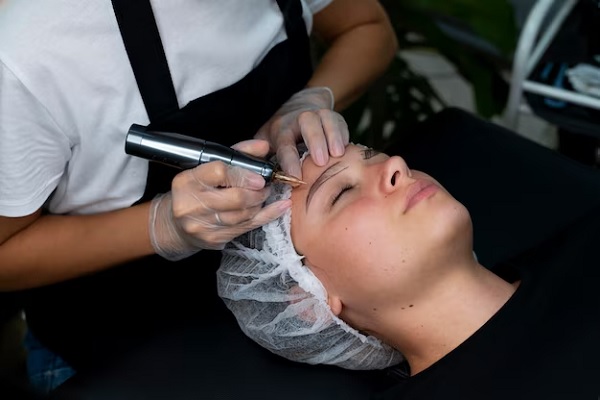
Capillary micropigmentation, often referred to as scalp micropigmentation or hair follicle replication, is an intricate and specialized cosmetic procedure designed to enhance the appearance of the scalp. This innovative technique involves the meticulous implantation of pigment into the upper layers of the scalp, creating an optical illusion that resembles natural hair follicles. As a result, it effectively disguises areas that may be experiencing thinning or baldness, providing individuals with a steady sense of confidence in their appearance.
Unlike traditional hair transplants, which require invasive surgical interventions, or wigs, which rely on external materials, capillary micropigmentation offers a non-invasive solution. The process employs an expert technique that skillfully implants specialized pigment into the scalp that meticulously simulates the look of short, densely packed hair. This level of precision ensures that the final result is both natural-looking and aesthetically pleasing, giving those with hair loss a renewed sense of hope and self-esteem.
Who is most suitable for Capillary micropigmentation?
Understanding the suitability criteria can help determine if capillary micropigmentation is the right choice for your unique hair care needs. People with one of the following hair loss issues may be ideal candidates for this revolutionary treatment. Capillary micropigmentation is primarily suited for individuals experiencing the following types of hair loss.
Androgenetic Alopecia
Androgenetic Alopecia is the most common form of hair loss, affecting millions of men worldwide. It often begins with a receding hairline, typically starting at the temples. As the condition progresses, hair at the crown of the head begins to thin. This gradual hair loss can result in an uneven and patchy appearance, which can leave many men feeling self-conscious.
Fortunately, capillary micropigmentation offers an effective solution. It uses specialized pigment to mimic the look of hair follicles, effectively camouflaging thinning or bald areas. Not only does this technique restore a fuller, more youthful hairline, but it also boosts confidence, allowing individuals to embrace their appearance with pride.
Female Pattern Baldness
Although male pattern baldness is often more recognized, women can also experience significant hair thinning. This condition typically presents itself on the top and sides of the head. Over time, the gradual loss of hair can lead to a more pronounced part or an overall appearance of thinning, which can be distressing for many women.
A viable solution to this issue is capillary micropigmentation. This technique involves applying small, natural-looking dots of pigment that replicate the appearance of hair follicles. It helps restore the look of fullness and density to the hair. As a result, women can regain their self-esteem and enjoy a more vibrant and fuller appearance.
Scarring Alopecia
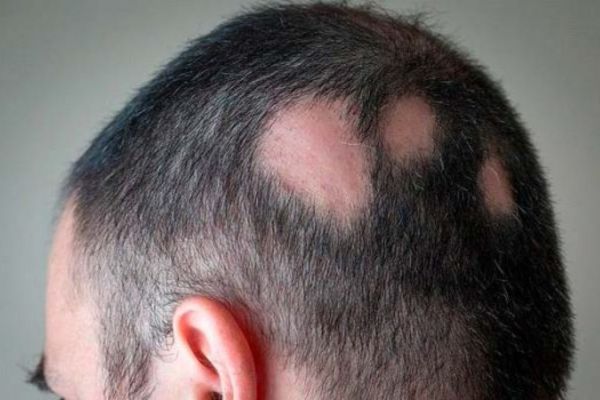
Scarring alopecia is a complex condition marked by irreversible hair loss in designated areas, often resulting from underlying medical issues or traumatic injuries. This condition not only affects hair follicles but also leads to the development of noticeable scars on the scalp, which can be distressing for those affected.
The primary goal of this process is to effectively mask the scars left by scarring alopecia, thereby creating the illusion of a fuller and more uniform scalp. By enhancing the scalp’s overall appearance, capillary micropigmentation offers a promising approach for individuals seeking to restore their confidence and improve their aesthetic presentation.
Alopecia Areata
Alopecia Areata is an autoimmune disorder that leads to patches of hair loss, creating bald spots on the scalp. This condition can be both frustrating and emotionally challenging due to its unpredictable nature. People affected by alopecia areata may experience fluctuating hair loss, making it difficult to maintain a consistent appearance.
However, capillary micropigmentation offers a reliable solution. The technique of applying pigment to areas of hair loss effectively conceals patches, resulting in a uniform appearance that simulates the look of natural hair follicles. This method allows individuals to regain control over their appearance, fostering a renewed sense of confidence.
What are the Benefits of Capillary Micropigmentation?
Now, let’s explore in depth the numerous advantages of capillary micropigmentation to those ready to embrace a fresh look and a renewed sense of self.
Minimal maintenance
Most hair restoration procedures involve post-treatment maintenance, often requiring supplementary treatments or follow-up assessments. Take, for instance, the aftermath of a hair transplant, which mandates periodic check-ups to ensure the health of the transplanted follicles. In contrast, capillary micropigmentation distinguishes itself by demanding minimal maintenance. Post-treatment, there’s no obligatory need for follow-up treatments or assessments.
Unlike the meticulous scrutiny required for transplants, capillary micropigmentation eliminates the necessity for continuous attention. Typically, the sole consideration post-treatment might involve pigment restoration, a sporadic necessity that seldom arises within the initial two years.
Economic solution

Capillary micropigmentation is a cost-effective alternative, especially compared to other hair restoration methods utilizing similar techniques. The economic appeal extends beyond affordability, as the procedure employs uncomplicated tools and ingredients, starkly contrasting the complexity associated with hair transplants.
Beyond its cost implications, capillary micropigmentation imposes minimal downtime, allowing individuals to resume their routine activities swiftly mere hours after the procedure. Assessing parameters like financial investment, time commitment, recovery duration, and overall effectiveness, capillary micropigmentation is a compelling, resource-efficient choice for people with hair loss issues.
A painless process
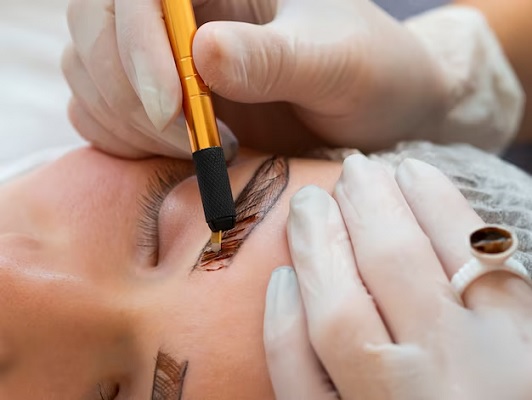
Capillary micropigmentation distinguishes itself by embracing a gentle methodology in contrast to other invasive hair restoration treatments. This innovative approach avoids breaking through the skin, a departure from conventional methods. Instead, it delicately integrates pigments onto the skin’s surface through the precision of acupuncture. This technique, known for its minimal invasiveness, operates exclusively within the superficial layers of the skin, forming the foundation of capillary micropigmentation.
While some people report experiencing mild discomfort during the procedure, it is noteworthy that such sensations typically subside swiftly. Local anesthesia effectively mitigates any potential discomfort, ensuring a relatively painless experience. The subsequent use of a dermograph facilitates the precise deposition of pigments in areas affected by hair loss.
Natural results
A prevalent misconception that often dissuades individuals from considering hair restoration is the misguided belief that the achieved results appear artificial. However, this notion fails to acknowledge the significant technological advancements witnessed in both medical and cosmetic realms. The outcomes of contemporary hair restoration treatments, including capillary micropigmentation, consistently yield results that are not only natural but also remarkably realistic.
Capillary micropigmentation stands out in its ability to seamlessly conceal baldness and scars, ingeniously creating the visual illusion of heightened hair density. Recognizing the impact of this technique requires a meticulous evaluation and keen medical observation. Moreover, its multifaceted benefits extend beyond addressing hair loss; capillary micropigmentation adeptly conceals blemishes, contributing to an overall rejuvenated and youthful appearance.
What are the side effects of Capillary Micropigmentation?
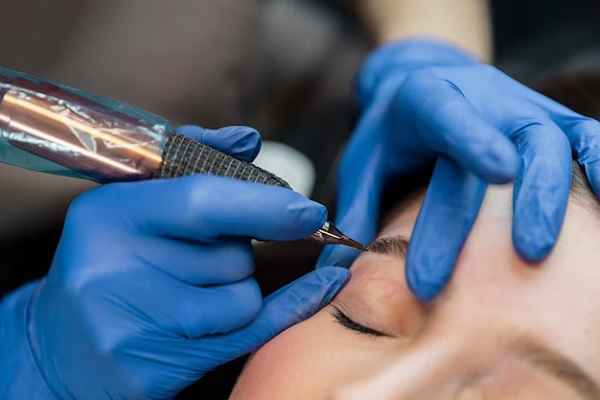
Capillary micropigmentation, similar to other cosmetic procedures, exhibits a range of potential side effects, albeit generally mild and transient. It is imperative to delve into these potential outcomes comprehensively to foster a thorough understanding before embarking on the treatment:
Discomfort and redness
Following capillary micropigmentation, some people may encounter mild discomfort or redness in the treated areas. This occurrence is typically transient, dissipating within a short timeframe. Understanding and anticipating these initial sensations are vital aspects of informed decision-making.
Swelling
There might be slight swelling, mainly when the treatment encompasses a larger area. This swelling is typically ephemeral and gradually diminishes as the skin heals. Being cognizant of the potential for swelling contributes to a more informed and prepared approach to post-treatment effects.
Itching and dryness
During the healing phase, you may experience itching and dryness. It’s essential to exercise caution and avoid scratching the treated area to prevent complications. Understanding the healing process better equips individuals to approach this phase with increased awareness and care. To prevent complications, exercising caution and refraining from scratching is vital.
Allergic reactions to Capillary Micropigmentation
Although uncommon, there is a minimal risk of allergic reactions to the pigments used in capillary micropigmentation. A thorough discussion with the technician beforehand about any known allergies ensures proactive measures can be taken to mitigate this rare but potential risk.
Infection
Given the skin’s involvement, there is a slight risk of infection, underscoring the importance of diligent aftercare. Adhering to prescribed post-treatment instructions, including maintaining cleanliness in the treated area, is a pivotal measure in minimizing the risk of infection.
Color changes
Initial pigment color may appear darker than the intended result, gradually evolving over time. Factors such as sun exposure may contribute to subtle changes. A nuanced understanding of this color evolution is integral to managing expectations and anticipating the dynamic nature of the pigmentation process.
Scarring
While infrequent, the potential for scarring exists, influenced by aftercare practices and a person’s unique healing tendencies. Opting for a skilled and experienced technician significantly mitigates this risk, emphasizing the importance of selecting a qualified professional.
Faq’s
Is there an age limit for capillary micropigmentation?
There is no specific age limit for capillary micropigmentation, as the treatment can benefit individuals of various ages. However, it’s essential to consider the stability of the hair loss pattern and overall scalp health when evaluating suitability.
Can capillary micropigmentation be reversed?
Capillary micropigmentation is a permanent solution, as the pigment is implanted deep into the skin, like a tattoo. While specialized techniques can partially or entirely remove the treatment, it is generally not recommended as a reversible option.
How long does the capillary micropigmentation procedure take?
The duration of the capillary micropigmentation procedure can vary depending on the extent of the hair loss and the desired coverage. Typically, a single session can take 2-4 hours, with additional sessions scheduled to achieve the desired results.
Conclusion
Capillary micropigmentation represents a transformative solution for hair loss, offering a non-invasive, cost-effective, and long-lasting alternative to traditional methods. By replicating the appearance of natural hair follicles, it gives people a fuller, more youthful look, restoring their confidence and self-esteem. With minimal maintenance, a painless procedure, and natural results, capillary micropigmentation has become a preferred choice for many. Despite potential side effects, these are generally mild and temporary, ensuring that the procedure is accessible and effective for a wide range of individuals seeking to improve their appearance and regain their self-assurance.


Responsable – CAPIL SOLUTIONS. S.L
*Términos y condiciones
Finalidad – Dar respuesta a las solicitudes de información, y poder enviarle nuestras publicaciones, promociones de productos y/o servicios, gestionar los comentarios en el blog
Derechos Arco - Acceder, rectificar y suprimir los datos, así como otros derechos, como se explica en la información adicional.
info@capilclinic.us
Legitimación – Consentimiento
Destinatarios – No se cederán datos a terceros salvo obligación legal
Política de privacidad – Puede consultar nuestra política de privacidad aquí
*Política de privacidad