

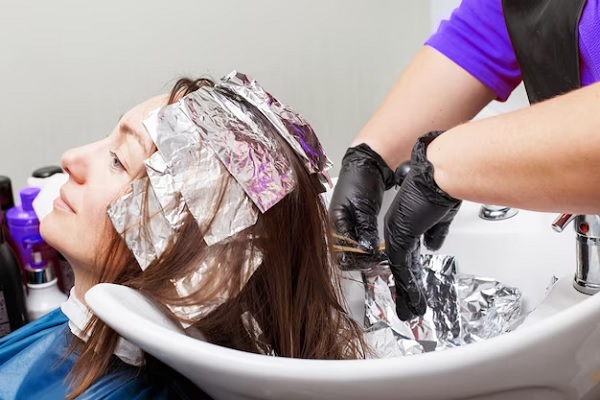
In our quest for self-expression and style, many of us have reached for the vibrant palette of hair dyes, transforming our locks into dazzling hues of red, blonde, or blue. Hair dye has become a ubiquitous tool in the realm of personal grooming, enabling us to reinvent our appearance and embrace novel identities. In this article we will talk about What are the Consequences of Dyeing Your Hair?
However, beneath the allure of this transformative magic, lies a realm of consequences that often go unnoticed. This exploration delves into the multifaceted repercussions of hair dyeing, shedding light on the physical, psychological, and even societal implications that tinting our tresses can have.
Consequences of Dyeing your Hair?
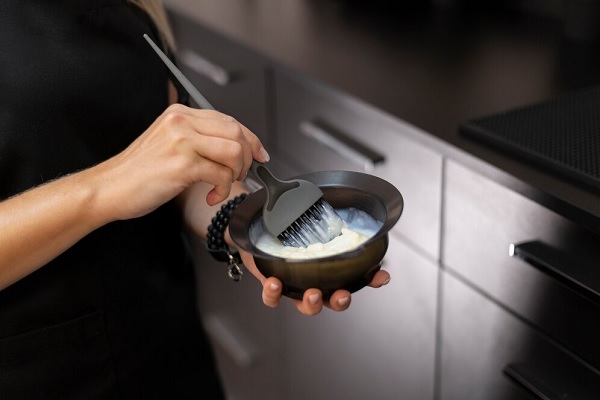
Dyeing your hair can lead to various consequences, both positive and negative. It’s essential to consider these factors before embarking on a hair dyeing journey:
Hair Damage
Hair dyeing, particularly when using permanent or semi-permanent dyes, involves the use of chemicals like ammonia and hydrogen peroxide. These chemicals open up the hair cuticles to deposit color molecules, which can lead to damage. Over time, this process weakens the hair structure, making it more porous, prone to dryness, and susceptible to breakage. Frequent dyeing or lightening exacerbates this damage.
Allergic Reactions
Hair dyes contain a range of chemicals, including paraphenylenediamine (PPD), which is a common allergen. Some individuals may develop allergic reactions, manifesting as scalp itching, redness, swelling, or even more severe responses like hives or anaphylaxis. Performing a patch test before full application is crucial to identify potential allergies.
Fading Color
Most hair dyes are not permanent, and the color can fade over time due to factors such as exposure to UV rays, chlorine, and harsh shampoos. Maintaining the vibrancy of colored hair may require frequent touch-ups, which can be time-consuming and costly.
Commitment
Dyeing your hair often means committing to regular maintenance. As your hair grows, your natural color will appear at the roots, necessitating touch-ups to maintain a consistent look. This commitment can be significant, especially for vibrant or unnatural shades.
Color Disappointment
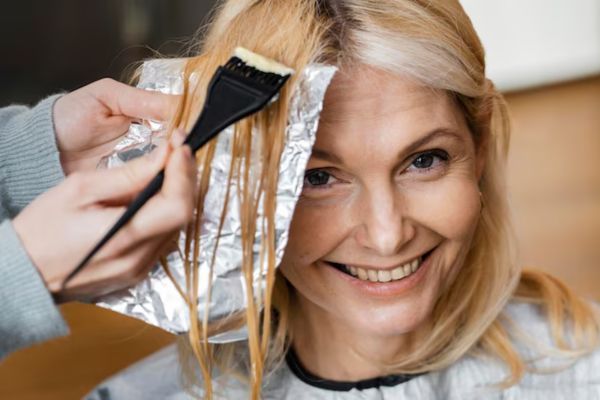
Achieving the exact color, you desire can be challenging. The outcome depends on factors like your natural hair color, hair condition, and the specific dye used. Unexpected results, such as color variations or undesired tones, can lead to disappointment.
Hair Texture Changes
Chemical processing involved in hair dyeing can alter your hair’s texture. Hair may feel coarser, thinner, or more brittle, particularly if you opt for bleaching or lightening treatments.
Scalp Irritation
Some individuals experience scalp irritation or discomfort during the hair dyeing process. This can be exacerbated by allergies or sensitivities to the chemicals in the dye. Precautions, like using a sensitive scalp formula or consulting a dermatologist, may be necessary.
Chemical Exposure
Hair dye ingredients can include chemicals like PPD, resorcinol, and ammonia, which may pose health risks if not used correctly. Prolonged exposure to these chemicals, especially for salon professionals, can have long-term health implications.
Gradual Color Changes
As your hair grows, you’ll notice a gradual transition between your natural color and the dyed portion. This can create an uneven appearance, requiring consistent maintenance to blend the colors seamlessly.
Confidence Boost
On a positive note, changing your hair color can provide a significant confidence boost. It allows for self-expression and can make you feel more attractive, especially if you achieve a color that complements your style and personality.
Emotional Impact
Hair color changes can have emotional consequences. Positive outcomes can boost self-esteem, but unexpected results may lead to regret and anxiety. It’s essential to manage expectations and be prepared for potential emotional shifts.
Maintenance Costs
Maintaining colored hair can be costly. Expenses include salon visits, at-home dye kits, and specialized hair care products designed to protect and preserve your color. Budgeting for these ongoing expenses is essential.
Minimizing the Negative Consequences of Hair Dyeing
Minimizing the negative consequences of hair dyeing is essential to maintain the health and appearance of your hair. Here are some tips to help you achieve vibrant, colored hair while preserving its integrity:
Choose a Professional
Consider having your hair dyed by a professional stylist, especially if you’re opting for a complex color change or bleaching. Professionals have the expertise to minimize damage and achieve the desired results.
Use Quality Products
Invest in high-quality hair dye products, whether you’re doing it at home or in a salon. Quality dyes often contain less harsh chemicals and offer better color longevity.
Perform a Patch Test
Before applying any new hair dye, perform a patch test to check for allergies or sensitivities. Apply a small amount of dye to a discrete area of your skin and wait 24-48 hours to ensure there are no adverse reactions.
Consider Semi-Permanent Dyes
If you want to experiment with a new color without a long-term commitment, opt for semi-permanent or temporary dyes. These are gentler on the hair and gradually wash out.
Limit Frequent Dyeing
Avoid excessive hair dyeing to prevent damage. Space out dyeing sessions, and opt for touch-ups rather than full color application to minimize chemical exposure.
Deep Condition Regularly
Use deep conditioning treatments regularly to restore moisture and strength to your hair. Look for products specifically designed for color-treated hair.
Protect Your Hair from the Sun
UV rays can fade hair color and damage the hair shaft. Wear hats or use UV-protective hair products to shield your hair from the sun’s harmful effects.
Avoid Heat Styling
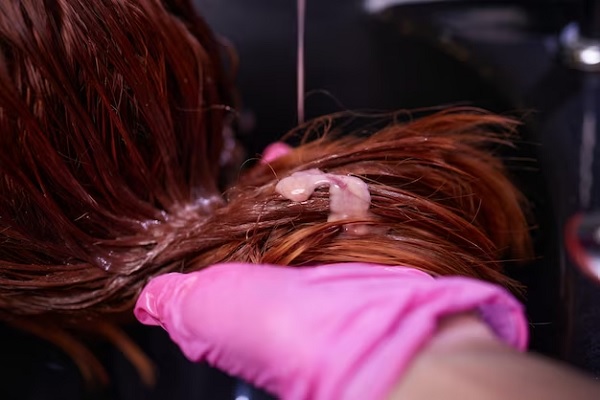
Limit the use of heat styling tools like flat irons and curling irons, which can further damage color-treated hair. When using these tools, apply a heat protectant spray.
Use Sulfate-Free Shampoo
Sulfates in shampoos can strip away color and moisture from your hair. Opt for sulfate-free shampoos and conditioners designed for color-treated hair to maintain vibrancy.
Cold Water Rinses
After shampooing and conditioning, rinse your hair with cold water to help seal the hair cuticle and prevent color fading.
Regular Trims
Schedule regular trims to remove split ends and maintain the overall health of your hair. This prevents further damage and promotes healthy growth.
By following these tips and being mindful of the health of your hair, you can enjoy vibrant and beautifully colored locks while minimizing the negative consequences of hair dyeing.


Responsable – CAPIL SOLUTIONS. S.L
*Términos y condiciones
Finalidad – Dar respuesta a las solicitudes de información, y poder enviarle nuestras publicaciones, promociones de productos y/o servicios, gestionar los comentarios en el blog
Derechos Arco - Acceder, rectificar y suprimir los datos, así como otros derechos, como se explica en la información adicional.
info@capilclinic.us
Legitimación – Consentimiento
Destinatarios – No se cederán datos a terceros salvo obligación legal
Política de privacidad – Puede consultar nuestra política de privacidad aquí
*Política de privacidad