


When planning a procedure, many ask: Does dandruff affect hair transplants? Yes—dandruff can harm transplant success if not treated, as it often causes inflammation, itching, and excess oil that disrupt graft survival. Understanding how does a hair transplant work highlights the importance of a healthy scalp for grafts to take root. Conditions like seborrheic dermatitis or psoriasis can hinder healing, reducing results despite the hair transplant cost.
Many patients review hair transplant before and after cases to set expectations, but untreated dandruff may delay improvement and raise complication risks. If wondering how much is a hair transplant in Turkey, also check whether clinics offer pre-surgical scalp evaluations, as treating dandruff beforehand improves recovery and graft success. In short, dandruff affect hair transplants by compromising the scalp’s ability to sustain new growth, so proper management is key to achieving the best long-term results.
Why does dandruff affect hair transplants? Causes
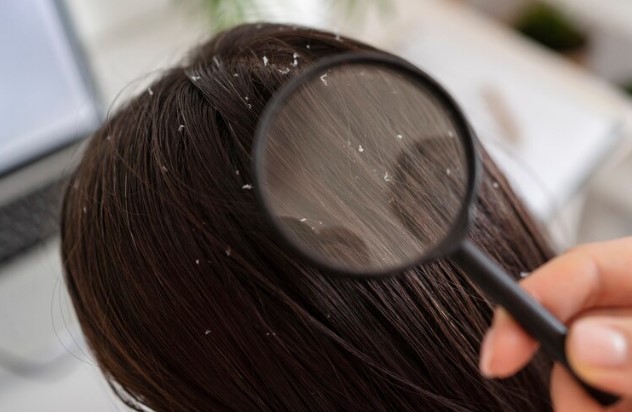
Before we can explore how dandruff affect hair transplants and the impact it may have on results, we first need to understand what dandruff is and what causes it. Dandruff is typically characterised by flaking of the scalp, often accompanied by itching or redness. It is primarily caused by a yeast-like fungus called Malassezia, which feeds on the oils naturally secreted by the scalp. When this fungus grows out of control, it causes irritation that leads to an increased turnover of skin cells, resulting in visible flakes.
Other contributing factors include dry skin, sensitivity to certain hair care products, and various skin conditions such as eczema and seborrheic dermatitis. Hormonal changes, stress, and even diet can also worsen dandruff symptoms. In severe cases, dandruff becomes more than a cosmetic concern—it can signal a deeper scalp health issue that must be treated properly before undergoing a hair transplant procedure. Understanding this connection is essential, especially when considering hair transplant before and after outcomes, since untreated dandruff can negatively affect graft survival and healing.
What types of dandruff affect hair transplants?
Dandruff isn’t a one-size-fits-all condition. It comes in several forms, each with its own causes and symptoms. Understanding which types of dandruff affect hair transplants is essential for a successful procedure. Knowing the exact kind you have is crucial before undergoing a hair transplant. Some types may only cause mild irritation, while others can significantly compromise the health of your scalp and the survival of transplanted grafts.
Before scheduling a transplant, it’s essential to get a proper diagnosis from a dermatologist. Treating the specific form of dandruff you have can improve scalp health, reduce the risk of complications, and create an optimal environment for your new hair to grow. Additionally, being aware of how dandruff affects your scalp may also influence your overall hair transplant cost and results.
1- Dry skin Dandruff
Dry skin dandruff is perhaps the most common and least severe form. It occurs when the scalp becomes dehydrated, leading to the shedding of small, white flakes. These flakes are typically dry, non-oily, and may increase during colder months or with the use of harsh shampoos. While this type may not seem serious, it can still cause itchiness and mild irritation, both of which are problematic after a hair transplant.
If you attempt a hair transplant without first treating dry skin and dandruff, the itching and flaking may interfere with healing. You may be tempted to scratch the area, potentially dislodging grafts or introducing bacteria. Ensuring your scalp is moisturised and free of irritation before surgery helps create the right conditions for healthy graft integration and overall recovery.
2- Oily scalp Dandruff
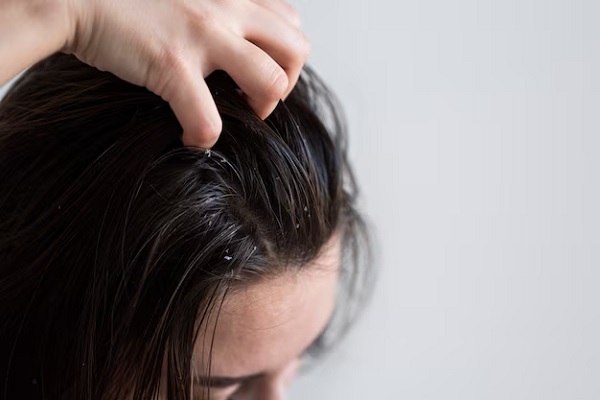
Oily scalp dandruff develops when excess sebum on the scalp traps dead skin cells, forming greasy, yellowish flakes. This type is more than just a cosmetic concern—it signals an imbalance in your scalp’s oil production and often leads to clogged hair follicles. The accumulation of oil and debris creates a breeding ground for inflammation and even bacterial growth.
For individuals planning a hair transplant, an oily scalp can present serious challenges. The excess oil can suffocate newly implanted follicles and slow down the healing process. It also increases the risk of infections and graft rejection. To ensure successful results, your surgeon may advise pre-treatment to control oil production and improve scalp hygiene before proceeding with the transplant.
3- Fungal dandruff (Seborrheic Dermatitis)
Seborrheic dermatitis is a more severe, chronic form of dandruff caused by the overgrowth of Malassezia yeast on the scalp. This condition is critical because dandruff affects hair transplant by creating an unstable and inflamed scalp environment. It leads to persistent redness, intense itching, and thick, oily flakes that are often yellow or white in colour. The affected areas can become inflamed and sore, making the scalp an unstable surface for hair grafts to properly adhere and thrive.
If you suffer from seborrheic dermatitis, managing this condition must be a top priority before considering any hair restoration procedure. Attempting a transplant on an inflamed, fungus-affected scalp significantly increases the likelihood of poor graft retention and various post-operative complications. Dermatologists typically prescribe antifungal treatments or medicated shampoos to bring the condition under control, reducing inflammation and restoring scalp balance to enhance transplant success. It is also important to consult about factors like how much is a hair transplant in Turkey, as pricing and treatment protocols may vary widely depending on the patient’s scalp health and location.
4- Psoriasis-related Dandruff

Psoriasis-related dandruff differs significantly from common forms of scalp flaking. This autoimmune condition triggers the rapid production of skin cells, resulting in thick, silvery-white scales and red patches. These plaques often appear along the hairline, behind the ears, and on the scalp itself. Psoriasis can be unpredictable, flaring up due to stress, infections, or environmental factors.
Undergoing a hair transplant while experiencing an active psoriasis flare-up can be risky. The inflamed patches may not only affect graft anchoring but also delay healing and increase discomfort. Moreover, psoriasis can trigger post-operative flare-ups in response to the trauma of surgery. Effective medical treatment—including topical steroids or immunosuppressants—should be used to bring the condition into remission before surgery. A stable, well-managed scalp is essential for achieving the desired results from a transplant.
How to prepare the scalp before a hair transplant?
Proper preparation is essential for anyone with dandruff planning a hair transplant. Clinics usually assess scalp health as part of the pre-operative evaluation. If dandruff is present, treatment will be recommended before moving forward with surgery.
1- Scalp assessment and diagnosis
A dermatologist or trichologist will examine the severity and type of dandruff. They may perform a scalp biopsy or use a dermatoscope to evaluate inflammation and flaking. Identifying the root cause allows for a targeted treatment plan that prepares the scalp for surgery.
2- Medicated shampoos and topical treatments
Treating dandruff before surgery often involves using medicated shampoos containing ketoconazole, zinc pyrithione, or salicylic acid. These help control fungal growth and reduce flaking. In some cases, corticosteroid creams may be prescribed to alleviate inflammation.
3- Lifestyle and diet adjustments
Making changes to diet and daily habits can also improve scalp health. Reducing sugar and processed foods, managing stress, and ensuring good hygiene are all important steps in tackling dandruff before a hair transplant.
Does dandruff affect hair transplants after the surgery?
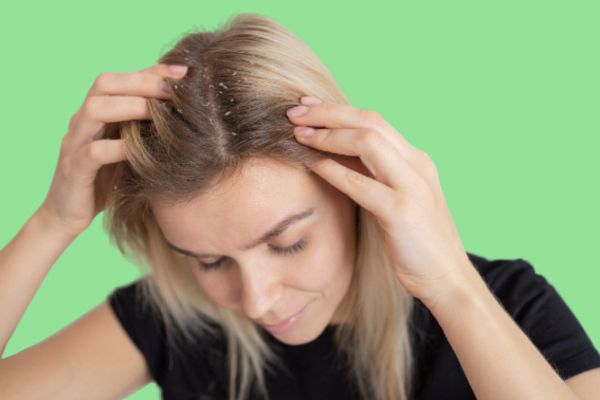
Even after a successful transplant, it’s crucial to manage dandruff to protect the new grafts. During the recovery phase, the scalp is particularly sensitive, and flare-ups can compromise results.
1- Gentle hair care routine
After the transplant, patients are usually advised to follow a strict post-operative hair care routine. This often includes avoiding harsh shampoos, not scratching the scalp, and refraining from using styling products until the area has healed. For those prone to dandruff, switching to a gentle, anti-dandruff shampoo after the initial healing period can help maintain scalp health.
2- Regular check-ups and monitoring
Follow-up visits with your hair restoration specialist are essential. These appointments allow the surgeon to monitor the healing process and address any signs of recurring dandruff before they become problematic. Catching issues early increases the chances of a successful transplant outcome.
What is the long-term impact of dandruff on hair transplants?
Ongoing dandruff issues can still affect hair health even after a successful transplant. Inflammation from chronic dandruff may lead to folliculitis or miniaturisation of hair follicles over time.

Impact on hair growth cycle
Persistent dandruff can interrupt the normal hair growth phases by weakening the hair follicles. This disruption might lead to increased hair shedding or reduced density in the transplanted area. Maintaining a flake-free scalp is key to supporting long-term hair health.
Preventing recurrence with medical help
Conclusion
Dandruff affect hair transplants in several important ways, making it crucial for anyone considering a procedure to manage this condition beforehand. Persistent dandruff can cause scalp irritation and inflammation, which may interfere with the healing process after a hair transplant. Understanding the relationship between dandruff and hair transplant outcomes helps patients prepare better and achieve optimal results.
Proper scalp care before and after the procedure is essential to reduce the risk of complications. Treating dandruff effectively minimizes the chances of infection and promotes a healthier environment for the transplanted hair follicles to grow. Ignoring scalp conditions like dandruff can undermine the success of the transplant and lead to disappointing outcomes.
It’s also important to follow your surgeon’s advice regarding scalp hygiene and the use of medicated shampoos. Consistency in care helps keep dandruff under control and supports the scalp’s recovery. Remember, a healthy scalp is the foundation for strong, lasting hair growth after a transplant.
In summary, dandruff affect hair transplants by potentially compromising healing and hair growth, but with the right treatment and care, these risks can be managed successfully. If you are considering a hair transplant, visit our website at capilclinic.us to learn more about our expert services and how we can help you achieve the best possible results.


Responsable – CAPIL SOLUTIONS. S.L
*Términos y condiciones
Finalidad – Dar respuesta a las solicitudes de información, y poder enviarle nuestras publicaciones, promociones de productos y/o servicios, gestionar los comentarios en el blog
Derechos Arco - Acceder, rectificar y suprimir los datos, así como otros derechos, como se explica en la información adicional.
info@capilclinic.us
Legitimación – Consentimiento
Destinatarios – No se cederán datos a terceros salvo obligación legal
Política de privacidad – Puede consultar nuestra política de privacidad aquí
*Política de privacidad