

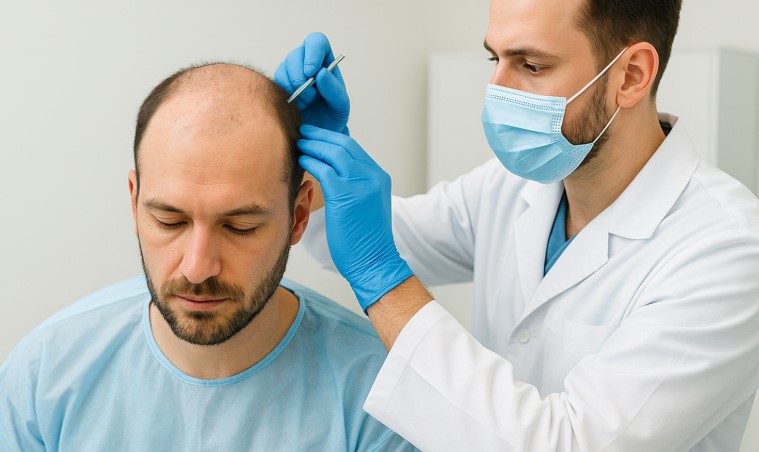
The demand for hair restoration procedures has surged in recent years, with DHI vs FUE hair transplant becoming the most debated choices among patients and specialists. Both techniques aim to provide natural-looking results, but their approaches differ significantly, influencing factors such as healing time, precision, and overall success rates.
DHI vs FUE hair transplant techniques have gained popularity due to their minimally invasive nature, reducing scarring and maximizing hair density. Choosing the right hair transplant method depends on various factors, including the patient’s individual needs, expectations, and hair transplant cost considerations. Whether you’re looking for the best hair transplant for men or evaluating long-term effectiveness, understanding these techniques can help you make an informed decision.
Let’s talk about DHI vs FUE hair transplant
What is DHI?
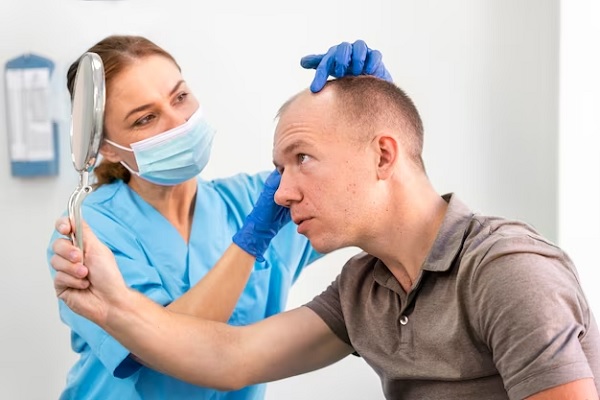
When discussing DHI vs FUE hair transplant, understanding Direct Hair Implantation (DHI) is essential. DHI is an advanced hair restoration technique that uses specialized tools for precise follicle implantation. Unlike traditional methods, DHI eliminates the need for manual incisions before implanting follicles, streamlining the process for more efficient results.
Compared to FUE hair transplant, DHI offers a more controlled implantation process, allowing surgeons to maintain the natural angle and direction of each follicle. This technique is especially beneficial for individuals seeking high-density results with minimal trauma to the scalp.
Step-by-step process
The DHI vs FUE hair transplant debate often focuses on the implantation method, where DHI takes a unique approach:
- Follicle Extraction: Individual follicles are harvested using micromotor technology.
- Choi Pen Application: The extracted follicles are loaded into a Choi pen, allowing direct placement without pre-incisions.
- Immediate Implantation: Hair grafts are inserted directly into thinning areas, mimicking natural growth patterns.
This streamlined process minimizes scalp damage, enhances precision, and improves follicle survival rates.
Benefits of DHI hair transplant
Patients considering DHI vs FUE hair transplant often prioritize efficiency, healing, and aesthetic outcomes. Some of the key benefits of DHI include:
- Faster Procedure: Direct implantation reduces overall operation time.
- Minimal Bleeding: The absence of pre-incisions limits trauma and lowers recovery risks.
- Higher Follicle Survival Rate: Immediate transplantation keeps follicles healthier and more resilient.
- Natural Hairline Results: Controlled placement ensures a seamless, authentic look.
What is FUE hair transplant?
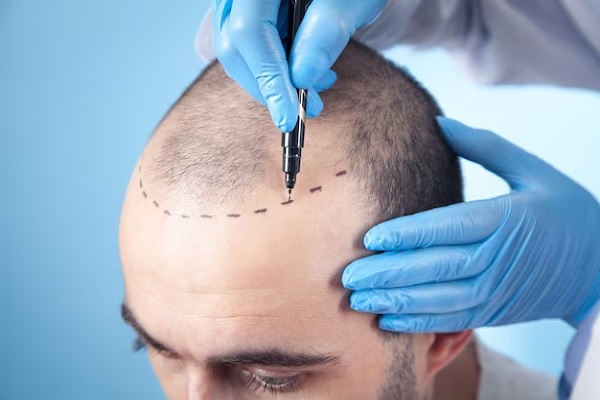
FUE involves the precise extraction of individual hair follicles rather than the removal of a strip of scalp, as seen in the outdated Follicular Unit Transplantation (FUT) technique. This approach ensures minimal scarring, faster healing, and natural-looking results.
A FUE hair transplant is particularly beneficial for individuals with mild to moderate hair loss, offering flexibility in terms of donor area selection. Unlike FUT, which limits extraction to a specific portion of the scalp, FUE enables surgeons to harvest follicles from different parts of the body, such as the beard and chest, if needed.
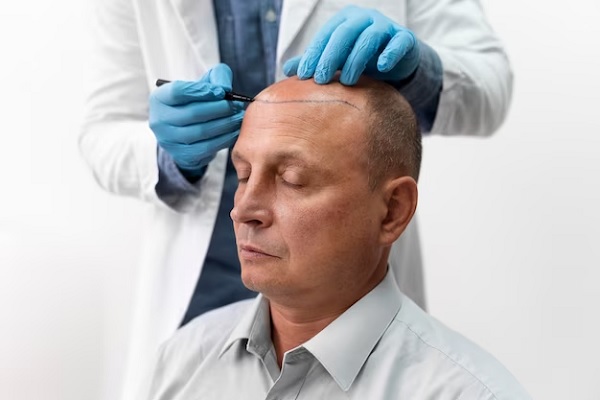
The FUE hair transplant technique follows a structured process, ensuring that every follicle is extracted and implanted correctly:
Step 1: Follicle extraction
The procedure starts with the careful removal of follicular units from the donor area. A micro-punch tool extracts each follicle individually without damaging surrounding tissue, maintaining high survival rates.
Step 2: Recipient site preparation
Before implantation, tiny incisions are strategically made in the recipient area following the patient’s natural hair growth direction. This step ensures that the newly placed follicles blend seamlessly with the existing hair.
Step 3: Graft implantation
Once the recipient site is ready, the surgeon carefully places each harvested graft into the prepared incisions. Precision is key to maintaining density and achieving an aesthetically pleasing hairline.
Patients considering DHI vs FUE hair transplant should understand that the placement process in DHI differs due to the Choi pen, which allows direct implantation without making pre-incisions.
Advantages of FUE
A FUE hair transplant offers multiple benefits that make it an attractive option:
- Minimally Invasive: The absence of large incisions ensures faster healing and reduced discomfort.
- No Linear Scarring: Unlike FUT, FUE leaves no noticeable marks, allowing patients to wear shorter hairstyles without worrying about visible scars.
- High Success Rate: With proper execution and post-operative care, patients experience lasting hair restoration.
- Flexibility in Donor Area Selection: Hair follicles can be extracted from various locations, including the scalp, beard, and chest, making it ideal for individuals with limited donor hair availability.
Choosing between DHI vs FUE hair transplant requires evaluating whether the direct implantation method of DHI or the pre-incision approach of FUE aligns better with personal preferences and hair restoration goals.
Get your questions answered by a specialist advisor
DHI vs FUE hair transplant: Similarities and differences
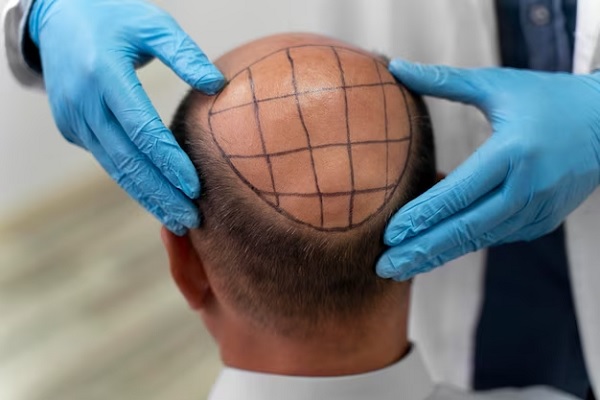
Both DHI vs FUE hair transplant procedures share several fundamental similarities that make them superior to traditional techniques such as FUT: (Source: HairAnalysis)
Individual follicle extraction
Unlike FUT, which removes strips of scalp tissue, both DHI and FUE extract follicles individually, preserving the integrity of the donor area and reducing post-operative trauma.
Natural hair growth results
Patients who undergo DHI vs FUE hair transplant achieve realistic and aesthetically pleasing hairlines. Both methods follow the patient’s natural hair direction to ensure seamless blending with existing follicles.
Advanced techniques performed by specialists
Due to their complexity, both procedures require experienced surgeons specializing in hair transplant for men. The expertise of the professional conducting the transplant significantly impacts the final results.
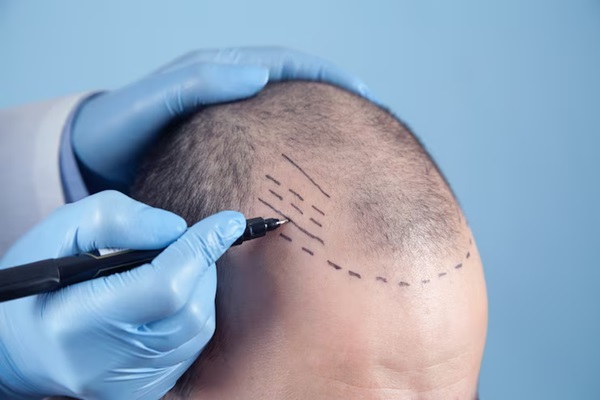
Key differences between DHI and FUE
While the two techniques share similarities, they have distinct differences that set them apart.
Implantation process
- DHI: Uses a Choi pen, eliminating the need for pre-made incisions in the recipient area. This tool ensures precise follicle placement at controlled angles.
- FUE: Requires incisions before implantation, relying on manual follicle placement rather than direct insertion.
Surgical execution
- DHI: Streamlines the process by implanting follicles immediately after extraction.
- FUE: Includes an additional step where incisions are made before placing the extracted follicles.
Recovery and healing
- DHI: Faster recovery due to reduced trauma; patients experience minimal bleeding and a quicker healing period.
- FUE: Healing time is slightly longer due to the incisions made in the recipient area before follicle implantation.
These distinctions influence which method is better suited for a patient’s specific hair loss condition, personal preferences, and expectations.
Which offers the most long-term benefits?
The success of DHI vs FUE hair transplant depends on several long-term factors. (Source: JIMS)
Hair density achieved
Both techniques allow for high-density results, but DHI offers more control over follicle placement due to the Choi pen, leading to a uniform appearance.
Follicle survival rate
DHI tends to provide a higher survival rate since follicles are immediately implanted, reducing exposure time outside the scalp. This contributes to healthier regrowth.
Maintenance & aftercare
Regardless of the chosen method, proper post-surgery care plays a vital role in maintaining results. Patients should follow their surgeon’s guidelines, including avoiding harsh chemicals, minimizing scalp contact, and adopting a healthy diet to support follicle retention.
Individuals concerned about hair transplant cost should also consider long-term maintenance expenses, including follow-up sessions and specialized hair care treatments.
Hair transplant cost factors: DHI vs FUE
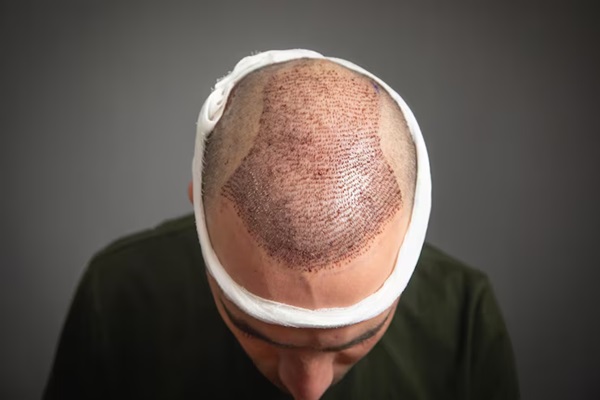
When comparing DHI vs FUE hair transplant, it is essential to evaluate the various factors that influence the total cost of each procedure. The price of a hair transplant is not fixed—it depends on several elements, including the expertise of the surgeon, clinic location, and the number of grafts required for optimal coverage.
Receive detailed information at no cost
1- Surgeon expertise and clinic reputation
Highly skilled professionals who specialize in hair restoration tend to charge higher fees, given their experience and success rates. Patients choosing between DHI vs FUE hair transplant must consider the surgeon’s track record, certifications, and the clinic’s reputation before making a decision. Clinics known for exceptional results often charge a premium price.
2- Number of grafts needed
Each patient’s hair loss pattern is unique, influencing how many follicles need transplantation. Individuals with severe baldness require a higher graft count, increasing the total hair transplant cost. DHI and FUE allow for precise follicle extraction, but the implantation process differs, impacting surgery duration and overall pricing.
3- Procedure complexity and technology used
DHI utilizes a specialized Choi pen for direct implantation, making the process slightly more labor-intensive compared to FUE, which involves pre-incision preparation. This difference in execution can affect costs, as DHI might take longer and require additional precision.
4- Average cost comparisons
Hair transplant prices vary depending on the country and clinic chosen. Below are common price ranges for DHI vs FUE hair transplant across different locations:
DHI Hair Transplant Cost
- United States: $6,000 – $15,000
- United Kingdom: £5,000 – £12,000
- Turkey: $2,500 – $6,000
- India: $2,000 – $5,000
FUE Hair Transplant Cost
- United States: $4,000 – $12,000
- United Kingdom: £4,000 – £10,000
- Turkey: $1,500 – $5,000
- India: $1,500 – $4,500
Turkey and India are known for affordable yet high-quality procedures, attracting patients from around the world. In contrast, clinics in the U.S. and Europe tend to charge significantly more due to high operational costs and surgeon expertise.
Success rate and longevity
Although DHI may have a higher hair transplant cost, its immediate implantation process ensures a high follicle survival rate, leading to better long-term results. FUE offers excellent success rates but requires precise aftercare to maintain hair density.
The following table highlights key statistics that compare DHI vs FUE hair transplant. It includes aspects such as graft survival, hair density, recovery time, and overall precision. These figures are based on general findings from studies and industry data, giving a clear view of how the two techniques differ.
| FUE | DHI | |
|---|---|---|
| Graft Survival Rate | 90 – 92 % | 92 – 96 % |
| Hair Density Improvement | +40 – 50 % | +50 – 60 % |
| Healing / Recovery Time | ~10–14 days | ~7–10 days |
| Shock Loss | Moderate (10 – 15 %) | Lower (5 – 10 %) |
| Graft Survival (General) | ~90 – 95 % | ~95 – 98 % |
| Return to Desk Work | ~5–7 days | ~3 days |
| Precision & Natural Density | Good | Higher precision |
Hidden costs and aftercare
- Medications: Post-operative antibiotics and recovery medications add to the expenses.
- Follow-Up Treatments: Periodic check-ups may be required to monitor hair growth progress.
- Post-Surgery Care: Specialized shampoos, serums, and therapies improve scalp health and transplant success.
While FUE hair transplant might be more budget-friendly, DHI offers superior control over follicle placement, justifying its higher cost in cases where precision and high density are top priorities.
Which is the most recommended hair transplant for men?
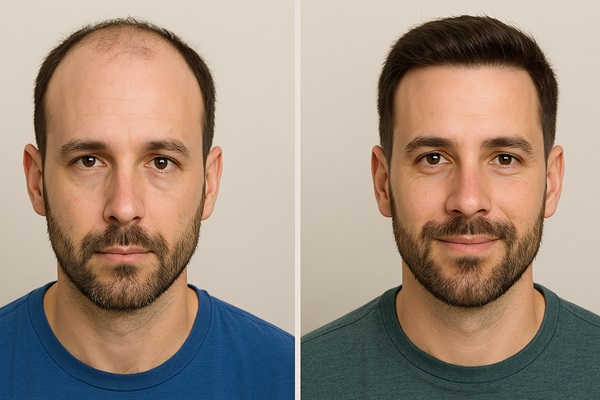
Selecting DHI vs FUE hair transplant requires a personalized approach based on several factors. Men experiencing different levels of hair loss must determine which method aligns with their expectations.
Evaluating hair loss severity
- Early-stage baldness: DHI may be more effective for hairline refinement.
- Advanced baldness: FUE is ideal for covering large thinning areas.
- Patchy hair loss: Both methods work well, but DHI provides more precise density.
Considering age and hair type
- Younger patients seeking a natural appearance often prefer DHI due to seamless follicle placement.
- Older patients with extensive thinning may opt for FUE due to its scalability.
- Curly hair vs. straight hair: Texture plays a role in implantation techniques.
Surgeon opinions on DHI vs FUE
Hair restoration specialists analyze individual cases to determine which technique provides the best long-term benefits.
- DHI vs FUE hair transplant effectiveness depends on scalp health and donor area strength.
- DHI hair transplant is ideal for patients wanting precise hairline restoration.
- FUE hair transplant is best for those needing broad coverage and more flexibility with donor hair selection.
Case studies: Patient preferences
Surgeons often document successful hair transplant procedures, revealing trends among male patients:
- Men looking for high-density hair growth often choose DHI.
- Individuals concerned about hair transplant cost tend to opt for FUE.
- Patients prioritizing minimal scarring usually prefer FUE.
Final verdict: Which procedure stands out?
Deciding between DHI vs FUE hair transplant involves weighing the advantages of each technique. (Source: Bahamed)
DHI hair transplant
- Ideal for precision placement and refined results.
- Higher follicle survival rate due to direct implantation.
- Faster recovery with minimal bleeding.
FUE hair transplant
- Best for large-scale restoration and broader scalp coverage.
- Lower cost, making it accessible to more patients.
- More donor area flexibility, including beard and chest hair extraction.
Ultimately, the right choice depends on individual needs, expectations, and budget. Consulting an experienced specialist ensures a tailored solution for achieving natural, long-lasting hair restoration results.
Request your free hair transplant evaluation in Turkey
Faq’s
What is the difference between DHI and FUE hair transplant?
The main difference lies in the implantation process. In FUE, follicles are extracted and then implanted using small incisions. In DHI, a special pen-like tool implants the follicles directly without prior incisions, allowing more precision and potentially higher density.
Is DHI hair transplant more painful than FUE?
Both procedures are performed under local anesthesia, so patients usually feel little to no pain during surgery. Some may experience mild discomfort or scalp tightness afterward, but recovery is generally smooth for both techniques.
Which is better for natural results, DHI or FUE?
DHI often provides more natural-looking density because follicles are implanted directly at specific angles. However, FUE is also effective, especially for covering larger balding areas. The best option depends on your hair loss pattern and surgeon’s recommendation.
Does DHI hair transplant take longer than FUE?
Yes, DHI typically takes more time than FUE because each follicle is implanted individually with a special tool. While FUE can cover larger areas faster, DHI focuses on precision and may require longer sessions.
What is the recovery time for DHI vs FUE hair transplant?
Recovery for both methods is relatively quick, usually within 7–10 days. DHI may cause less scarring since it avoids large incisions, while FUE requires tiny cuts that also heal fast. Most patients return to normal activities within a week.
Is DHI hair transplant more expensive than FUE?
Generally, yes. DHI often costs more because of the advanced tools and longer surgical time required. FUE is usually more affordable, making it a common choice for patients with larger areas of hair loss.
Who is a better candidate for DHI vs FUE hair transplant?
DHI is best for patients seeking higher density and natural-looking results in smaller areas, such as the hairline. FUE suits those with extensive hair loss who need more grafts in a single session. A consultation with a specialist will determine the right fit.
Conclusion
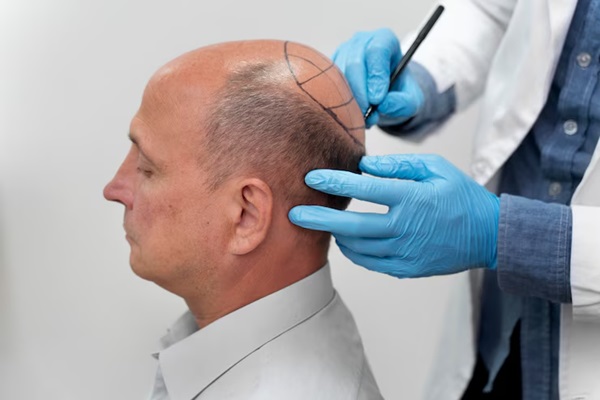
DHI hair transplant provides precise follicle implantation using a Choi pen, ensuring high-density results and a more refined hairline, while FUE hair transplant remains the preferred choice for larger bald areas due to its versatility in donor hair extraction.
Ultimately, factors such as hair transplant cost, recovery time, and expected results play a significant role in determining the best approach. Whether prioritizing high follicle survival rates or minimal scarring, each patient must assess their personal hair restoration goals before making a decision.
If you’re ready to restore your hair and confidence, trust CapilClinic—a leading expert in advanced DHI vs FUE hair transplant techniques. Visit CapilClinic today to explore professional hair transplant solutions, personalized consultations, and real hair transplant before and after results. Begin your transformation and achieve the hair you’ve always wanted!


Responsable – CAPIL SOLUTIONS. S.L
*Términos y condiciones
Finalidad – Dar respuesta a las solicitudes de información, y poder enviarle nuestras publicaciones, promociones de productos y/o servicios, gestionar los comentarios en el blog
Derechos Arco - Acceder, rectificar y suprimir los datos, así como otros derechos, como se explica en la información adicional.
info@capilclinic.us
Legitimación – Consentimiento
Destinatarios – No se cederán datos a terceros salvo obligación legal
Política de privacidad – Puede consultar nuestra política de privacidad aquí
*Política de privacidad