


A well-groomed hairstyle can boost confidence, but for those experiencing hair loss, the donor area becomes essential in achieving natural restoration. Hair loss, often tied to aging or genetics, can deeply affect self-esteem. While wigs offer temporary relief, many seek permanent solutions. Understanding how does a hair transplant work is key—it involves relocating healthy follicles to balding areas. Techniques like the FUE hair transplant method are popular for their precision and minimal scarring.
Patients often explore the 5000 grafts hair transplant cost Turkey, as Turkey is known for affordable, high-quality procedures. Real-life transformations seen in hair transplant before and after photos inspire confidence in the process. While regrowth in the donor area varies, proper care and expert technique usually lead to positive outcomes. Choosing the right clinic and understanding each step ensures a smoother journey toward fuller, natural-looking hair.
What is the Donor Area?
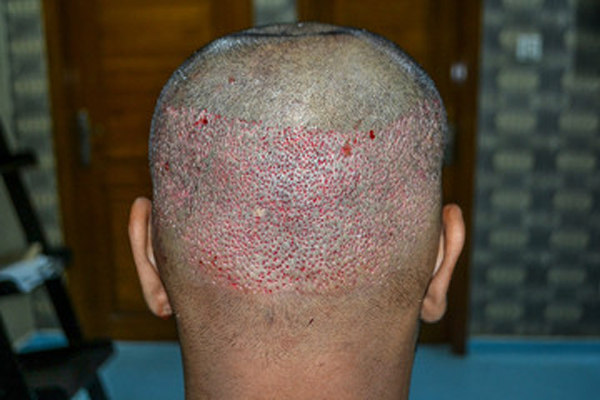
In hair transplantation procedures, the donor area refers to the specific region where healthy hair follicles are extracted for implantation. This region typically contains hair that is genetically resistant to balding. The surgeon carefully collects either individual follicles or small strips of tissue from this source. This area is most commonly located at the back or sides of the scalp, areas where hair growth tends to remain stable throughout life. This strategic location ensures the long-term viability of the transplanted hair. It also plays a vital role in determining the success of the entire hair restoration process.
During a follicular unit transplant (FUT), a strip of scalp is removed from the donor area, making the rear of the scalp the ideal source. This method requires suturing but allows for the extraction of a large number of follicles in one session. By contrast, in follicular unit extraction (FUE), hair follicles are individually harvested, offering more flexibility in choosing a donor source. This can include other body parts like the chest, legs, or thighs, depending on the density and quality of the hair available in those areas. The chosen technique depends on various factors such as hair type, coverage goals, and patient preference.
Understanding how does a hair transplant work can help you make informed decisions. The process involves the removal of follicles from this area and their careful implantation into the balding or thinning areas. These follicles adapt to their new location and continue to grow naturally. It’s essential to select a qualified surgeon who can assess the quality and capacity of the donor site before recommending the most suitable approach. The evaluation includes density, texture, and scalp flexibility to ensure optimal results.
Where is the recipient area?
The recipient area is the region where transplanted hairs are implanted to restore natural hair density and aesthetics. Depending on the patient’s goals, the recipient area may include the scalp, beard, eyebrows, or chest. The technique used—FUE or FUT—can influence the success and appearance of the results. Regardless of the target zone, the key objective is to achieve a natural-looking hairline and even distribution. Proper healing, care, and follow-up appointments are essential to support the newly implanted hair and ensure long-lasting improvement in appearance and confidence.
What is a hair transplant?
Among the various remedies for hair loss, a hair transplant stands out as a highly effective, enduring, and natural-looking solution. This procedure, also known as hair restoration surgery, involves taking hair follicles or strips of tissue from one part of the body and implanting them into areas experiencing baldness or thinning.
The traditional approach, termed follicular unit transplant, consists of extracting strips of tissue with hair follicles and placing them into the targeted region through incisions. Although this technique may result in minor scars, they are hardly noticeable. Moreover, it confines the donor and recipient regions to the scalp, with hair sourced from the back due to its high density.
An alternative method is follicular unit extraction (FUE), offering greater flexibility. In this process, your physician can harvest hair follicles from any part of your body and transplant them to any desired location. A hair transplant can boost confidence, whether you’re dealing with eyebrow or mustache hair loss.
What conditions can a hair transplant combat?

Hair loss is not just a cosmetic issue. It deeply affects self-esteem and overall emotional well-being, making it essential to explore every available option carefully. It’s vital to understand the psychological connection between hair and confidence. Many people experiencing hair loss report a significant decline in self-image and self-worth. When the issue is mild, several non-invasive treatments can help. These include topical creams, growth-enhancing shampoos, conditioners, serums, and natural oils.
These products aim to stimulate follicles and promote healthier hair over time. Yet, when facing more advanced stages of hair loss—such as noticeable thinning, patchy bald spots, or receding hairlines—a more permanent solution may be required. This is where options like a FUE hair transplant become particularly relevant.
Unlike temporary products, this surgical method involves relocating healthy follicles to areas lacking density. This technique ensures natural-looking, permanent results, restoring not only the hairline but also personal confidence. That area health and density are vital for transplant success, underscoring the importance of a professional evaluation before committing to any procedure.
Burns
Donor zone evaluation becomes essential when considering a hair transplant to conceal burn scars, especially in highly visible areas of the scalp. The complexity rises significantly when these scars replace regions where hair once served as a natural form of coverage. In these situations, restoring hair not only enhances aesthetics but also significantly boosts self-confidence. Hair transplants use healthy hair follicles, typically extracted from that area, to repopulate scarred sections. This method offers a lasting solution for patients affected by burns.
Hair transplants can effectively camouflage burn scars, particularly when performed with precision and on stable scar tissue. It is vital that a thorough medical assessment is done beforehand to determine whether the scarred skin is capable of supporting new follicular growth. Additionally, candidates often inquire about the overall cost implications. For example, individuals considering extensive procedures may want to know the 5000 grafts hair transplant cost Turkey, a location known for offering affordable, high-quality treatment options. Ultimately, choosing a skilled surgeon and a well-established clinic is crucial for successful outcomes.
Traction alopecia

This condition arises from prolonged tension on the scalp, frequently caused by tight hairstyles or improper hair practices. It often begins along the hairline, making the hair loss extremely visible and emotionally distressing. Because the hair in these areas is naturally more fragile, long-term pulling results in thinning and, eventually, permanent loss.
A hair transplant offers hope for reversing the damage caused by traction alopecia. By relocating hair follicles from a healthy donor site, surgeons can reconstruct the hairline and restore density in affected zones. However, it’s important to address the underlying behaviors that caused the condition before undergoing surgery. Candidates must avoid styles that create tension on the scalp post-transplant. The success of the procedure also hinges on whether the scalp has retained enough elasticity and vascular supply to support new follicular units.
Male pattern baldness
This genetic condition, which typically progresses over time, leads to hair thinning at the temples and crown. As the hairline recedes, men may experience a distinctive M-shaped pattern or even complete baldness in certain regions. These patterns vary in severity, but many individuals seek intervention to halt or reverse the progression.
A hair transplant can dramatically improve appearance and confidence in men facing this common form of hair loss. The procedure involves extracting hair follicles from the donor area, which is usually resistant to balding, and implanting them in the thinning zones. Unlike temporary solutions such as medications or concealers, a transplant offers a permanent and natural-looking result. However, early consultation and long-term planning are essential to prevent future loss from undermining the initial success.
Things to consider before a hair transplant
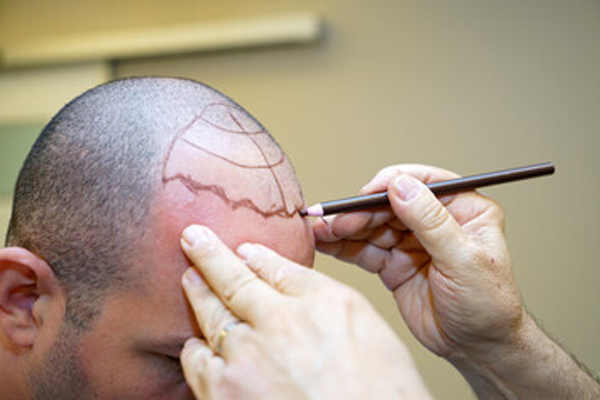
Before undergoing a hair transplant, several important considerations should be considered to ensure informed decision-making and successful outcomes. Here are vital factors to consider:
1- Medical evaluation
Before opting for a hair transplant, it’s crucial to undergo a comprehensive medical evaluation. This assessment should include examining your overall health, medical history, and any existing conditions that may affect the procedure’s success.
2- Type of hair loss
Understanding the specific type of hair loss you’re experiencing is crucial. Different conditions may require varied approaches to hair transplantation. Those factors could be pattern baldness, traction alopecia, or hair loss due to burns. It’s essential to consult with a qualified professional to determine the most suitable course of action for your specific type of hair loss.
3- Realistic expectations
Have realistic expectations about the procedure’s results. Hair transplant can significantly improve the appearance of thinning or balding areas. Still, it’s essential to understand that it may not restore a full head of hair or prevent future hair loss.
4- Cost considerations
Hair transplants can be a significant financial investment. Consider the cost of the procedure, including potential additional sessions, follow-up care, and any post-operative medications. Evaluate whether the financial commitment aligns with your budget.
5- Qualified surgeon
When selecting a surgeon for a hair transplantation procedure, it is crucial to vet their qualifications and experience diligently. Prioritize finding a surgeon with specialized hair transplantation expertise and a track record of successful outcomes.
Take the time to thoroughly research their credentials, read reviews from previous patients, and evaluate before-and-after photos of their work. Your surgeon’s skill and proficiency can significantly impact the transplant’s overall success and natural-looking result.
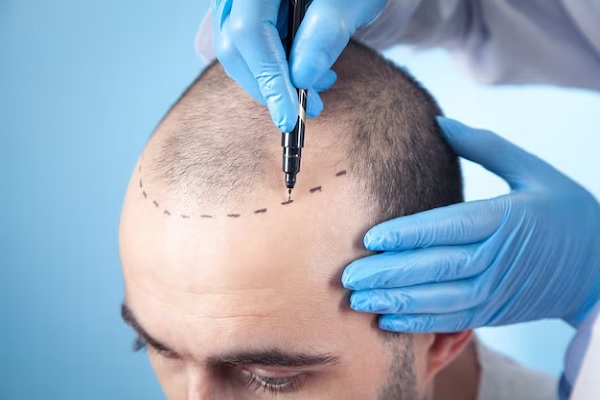
6- Alternative treatments
Explore alternative treatments or therapies for hair loss before committing to a transplant. In some cases, medications, lifestyle changes, or less invasive procedures may be effective and should be considered viable options.
7- Recovery time
Understand the expected recovery time and post-operative care requirements. Consider how the recovery period may impact your daily life, work commitments, and social activities.
8- Potential risks and side effects
Be aware of the potential risks and side effects associated with the procedure. While hair transplants are generally safe, complications such as infection, scarring, or changes in sensation may occur. Discuss these risks with your surgeon.
9- Long-term maintenance
Acknowledge that a hair transplant does not stop natural hair loss. Long-term maintenance may be required to address ongoing hair thinning or loss. Discuss with your surgeon how to maintain the results over time.
10- Patient testimonials
Seek out testimonials and hair transplant before and after photos from previous patients who have undergone similar procedures with the same surgeon. This can provide insights into the surgeon’s skill and the potential outcomes you can expect.
Does the hair in the donor area grow back after a transplant?
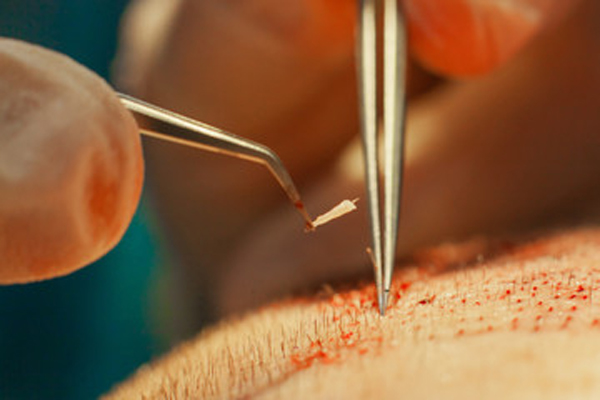
Before deciding on a hair transplant procedure, it’s crucial to understand the regrowth potential of hair taken from the donor site. This outcome varies based on individual factors; some witness successful regrowth, while others may not.
In addressing this variability, experts in hair transplantation anticipate the possibility of regrowth issues. In the technique known as follicular unit transplant, they strategically graft thin strips of skin. This approach ensures that even if scarring occurs, the surrounding hair will camouflage it over time, rendering it inconspicuous.
Regarding follicular unit extractions, your physician will source follicles from a densely populated area. These follicles are harvested in small clusters to minimize the impact if some hairs do not regenerate. This meticulous approach aims to leave no noticeable difference, providing a natural and seamless appearance.
Conclusion
Donor area healing plays a vital role in the success of any hair transplant procedure. Its condition before and after surgery directly affects both the aesthetic outcome and the longevity of the results. Proper care, patience, and guidance from professionals can ensure that this area recovers well and continues to support healthy hair growth.
It’s important to understand that while the donor region doesn’t regenerate new follicles, it can still appear fuller over time due to strategic extraction methods and the natural thickening of surrounding hair. This is why choosing an experienced clinic is crucial for achieving natural-looking results without compromising the density of the remaining hair.
Advanced techniques like FUE and DHI have made it possible to extract grafts with minimal trauma to the donor site. With personalised care plans and proper post-operative instructions, patients can enjoy a smooth recovery and confidence in their appearance.
Donor area management is not just about what happens during surgery, but also how you take care of it afterward. If you’re considering a hair transplant and want long-lasting, natural results, visit capilclinic.us today and take the first step toward restoring your hair with one of the most trusted names in the field.


Responsable – CAPIL SOLUTIONS. S.L
*Términos y condiciones
Finalidad – Dar respuesta a las solicitudes de información, y poder enviarle nuestras publicaciones, promociones de productos y/o servicios, gestionar los comentarios en el blog
Derechos Arco - Acceder, rectificar y suprimir los datos, así como otros derechos, como se explica en la información adicional.
info@capilclinic.us
Legitimación – Consentimiento
Destinatarios – No se cederán datos a terceros salvo obligación legal
Política de privacidad – Puede consultar nuestra política de privacidad aquí
*Política de privacidad