

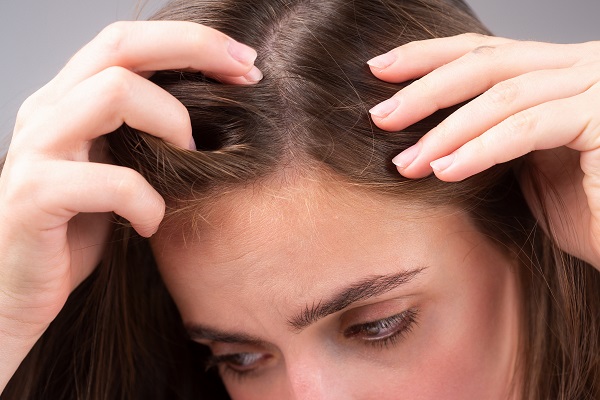
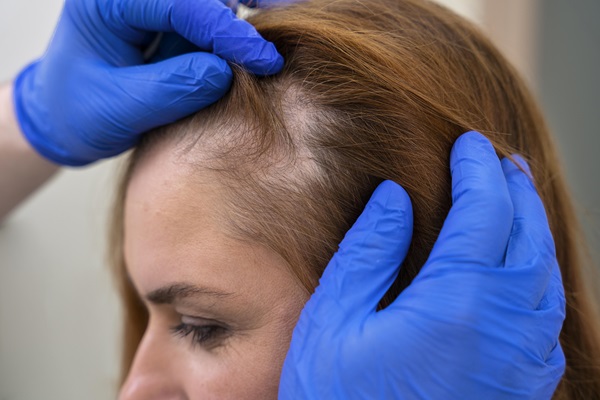
Frontal alopecia, also known as frontal fibrosing alopecia (FFA), causes a progressive receding hairline at the front and temples. However, FFA can affect any scalp area, leading to widespread hair thinning and possibly bald spots or a zigzag pattern of hair loss. If untreated, FFA can cause rapid hair loss progression.
Individuals who are experiencing frontal fibrosing alopecia may explore treatment options such as corticosteroids, which can help manage the condition and minimize its effects. Additionally, changing hairstyles to conceal the visual impact of hair loss can be beneficial, especially for those dealing with temporary or medication-free hair loss management.
Understanding Frontal Fibrosing Alopecia
Frontal Fibrosing Alopecia (FFA) is an uncommon and puzzling type of hair loss that primarily impacts women, especially those who have gone through menopause. Although the precise etiology of FFA remains unknown, multiple variables contribute to its initiation, and comprehending them can provide insights into possible preventative techniques. The same happens with female alopecia.
Causes and Risk Factors of Frontal Fibrosing Alopecia
Since the exact cause of Frontal Fibrosing Alopecia is still unknown, it is hard to treat successfully. According to a study, the development of this condition may be affected by a mix of genetics and hormones. Changes in hormones, especially changes in oestrogen levels after menopause, are thought to be possible causes. Some studies have also suggested a link between FFA and autoimmune diseases. This suggests that an overactive immune reaction may play a part.
A family background of FFA is a risk factor for the condition since genes may make people more likely to get it. Other inflammatory diseases, like thyroid problems and lupus, may also increase the likelihood of getting FFA. Researchers are still studying these factors to learn more about them and develop more effective ways to help people.
Symptoms and Progression of the Condition
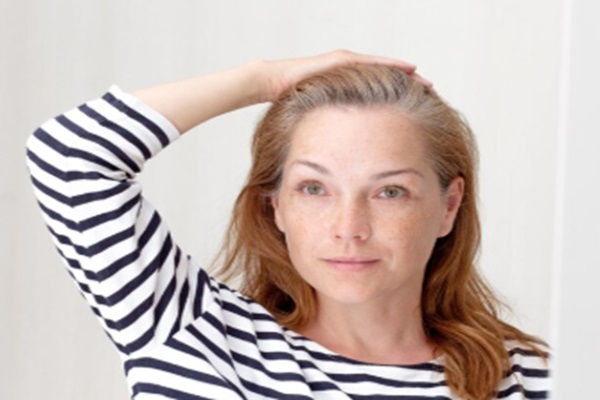
A slow and symmetrical recline of the frontal hairline defines Frontal Fibrosing Alopecia. At first, individuals may observe a slight reduction in the density of their eyebrows and scalp hair, which may eventually develop into more prominent hair loss as time goes on. The hairline recession can extend a few centimeters beyond its initial position, and in certain instances, there may be a loss of eyelashes and body hair.
The illness frequently manifests gradually, rendering it challenging to identify during its initial phases. It is imperative for persons who are suffering hair loss and recession to swiftly seek medical assistance to obtain an accurate diagnosis and receive appropriate intervention.
Hairstyles that can help hide frontal fibrosing alopecia
It will no longer be necessary for you to be concerned about how you look. Take a look at the following hairstyles! Find the ones that are among the most popular and well-loved.
Bangs
Most people get this haircut style so that it falls over their hairline just above their eyebrows. However, you can make it any length you want. Bangs are the best way to hide forehead fibrosing alopecia because they are the most effective way to hide hair loss.
You can get bangs of any shape or size. This completely hides our baldness, making you look younger, fun, and put-together. It’s also possible to cover up frontal fibrosing alopecia or other problems with your hair structure by adding volume to the front of your hair. This is easy to do because they are light and easy to handle.
Layers around the face
For women with frontal fibrosing baldness, layers around the face work best. The layers will make the hair look fuller and cover the hairline completely. If you have front layers, it doesn’t matter which way you part your hair—in the middle or on the side! The layers in your hair will make it look bigger. If you have thin hair, try this style to make it look longer.
When you want to wear your hair up, you might want to put a headband across your neck. There are many different kinds of headbands, some of which look sporty.
Long pixie cut
Your hair is longer than usual when you get an extended pixie cut. Some long pixies have long bangs and are shorter on the sides and back, while others are longer on top. The bob is the best short haircut for people who want something that isn’t too short to care for.
Short Bob with Bangs

A short haircut with bangs that fall just below your eyebrows can hide your frontal fibrosing alopecia. This haircut is great for busy women who don’t have time to do their hair all the time. Bangs, on the other hand, make you look younger and better.
Cutting your hair short is the best way to look good without much work. Short bob bangs above the eyebrows are also a great choice if you already have short hair.
The Wavy Bob against frontal fibrosing alopecia
Are you afraid of cutting your hair too short? If you have frontal fibrosing alopecia, you might want to try this short haircut for women. The waves that fall across your face will hide your frontal fibrosing alopecia and give you a cute, relaxed look that you can wear many times. This haircut is excellent if you want something easy to take care of.

Side-swept to hide frontal fibrosing alopecia
If you have frontal fibrosing alopecia, you should keep your hair short. This side-swept crop covers your whole forehead and makes your face look new. This style is excellent for the office because it shows off your thick hair and hides any receding hairlines that might be showing.
Wispy front layers
This thin, wispy front hair can also be used to hide baldness in the front of the head in women. They can cover both sides of their face with a center part, which makes the hair strands stand out instead of the jawline.
The layers will frame your face and give your hair more volume. If you wear it to work or any other event, you’ll be the talk of the town.
Asymmetrical Bob hairstyle
Are you tired of seeing the same old Bob? Then, an uneven bob with a deep side part might be a good choice. This asymmetrical look is both a fashion statement and a great way to hide your frontal fibrosing baldness. The side part makes the style look even more elegant. This style is excellent for people with straight hair. But you can try it out with any hair you want.
Messy Pompadour
One way for women to hide facial fibrosing alopecia is to make it look less noticeable. You can get a classic look by adding a pompadour on top and messing it up a bit. This look is a massive hit with celebrities regarding the red carpet style. Check it out and like it!
Faux bob
There are several ways that frontal fibrosing baldness can be hidden. If you’re willing to take on the task, this haircut is a great way to conceal a hairline that is getting thinner. Because so many famous people have adopted this style, it has become a part of many new fashion trends. This is a great pick.
Messy Ponytail
These days, it’s common for both men and women to wear their hair in a ponytail. The look is easy to achieve without any special tools or steps, and it’s simple to dress it up or down. If you can, let your hair hang loose. If you mess it up, hair will fall out in different places. This will help hide a lousy hairline and give the head more volume if the hairline isn’t good enough. The best thing about this is that it’s easy to do and always looks great!
Diagnosis and Available Treatment Options for Frontal Fibrosing Alopecia
A dermatologist or other qualified healthcare provider should be consulted to diagnose frontal fibrosing alopecia accurately. A thorough inspection assesses the degree of hair loss and the state of the scalp. Furthermore, to better understand what could be causing the patient’s condition, the healthcare provider may investigate the patient’s medical history. A scalp biopsy could be suggested as a last diagnostic tool in specific instances.
When Frontal Fibrosing Alopecia is diagnosed, treatment aims to slow down or stop the progression of hair loss. One of the most typical treatments recommended is applying topical corticosteroids to the afflicted regions of the scalp. These drugs reduce swelling and lessen the severity of the condition’s effects on hair follicles.
Oral drugs like hydroxychloroquine may be recommended for more systemic treatments. There is hope that an antimalarial medication can help with autoimmune hair loss. Additionally, hormonal treatments are explored, particularly when hormonal abnormalities are thought to play a role in the development of Frontal Fibrosing Alopecia.
Remember that regrowth rates can be low, and treatment efficacy can vary from patient to patient. Results may vary from person to person; some may see a stabilization of their condition and partial regrowth, while others may be less pleased. Professionals need more research into Frontal Fibrosing Alopecia to understand the condition better and provide more specific and effective treatments. It is essential to visit a healthcare practitioner to identify the best treatment strategy for each individual’s circumstances, as with any medical issue.
Conclusion
Because some of the best treatments can only slow hair loss and not grow back lost hair, many patients think about wearing wigs to hide the effect. If you have frontal fibrosing alopecia, you can wear a piece that fits snugly over your head. This will let your hair run over and cover your frontal scalp without worsening it.


Responsable – CAPIL SOLUTIONS. S.L
*Términos y condiciones
Finalidad – Dar respuesta a las solicitudes de información, y poder enviarle nuestras publicaciones, promociones de productos y/o servicios, gestionar los comentarios en el blog
Derechos Arco - Acceder, rectificar y suprimir los datos, así como otros derechos, como se explica en la información adicional.
info@capilclinic.us
Legitimación – Consentimiento
Destinatarios – No se cederán datos a terceros salvo obligación legal
Política de privacidad – Puede consultar nuestra política de privacidad aquí
*Política de privacidad