

Discussions about alopecia often focus on male hair loss, overshadowing the fact that women also face this issue. Female alopecia is a common and significant condition that affects many women. Still, it receives far less recognition.
Since the causes of hair loss vary significantly between individuals, identifying the specific cause is essential before choosing a treatment. This article provides detailed insights into female alopecia, covering its causes, symptoms, and potential remedies to guide you toward informed solutions.
What is female alopecia?
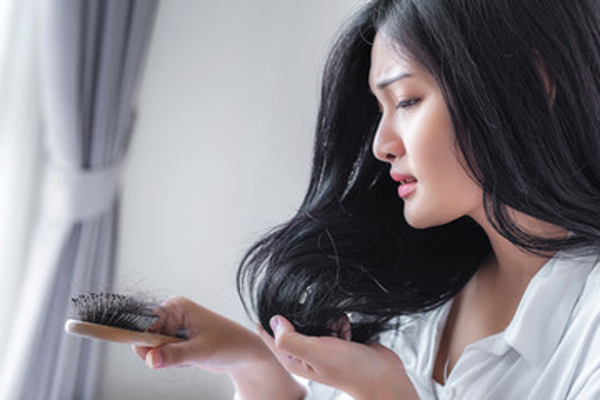
Hair loss is a natural process essential in creating healthy and strong hair. It is common for adults to lose approximately 100 hairs a day. Still, there may be cases where this amount can double or more. Female alopecia, or female pattern baldness, is a common yet distressing condition affecting many women. Unlike male pattern baldness, it exhibits unique patterns and symptoms that demand careful understanding.
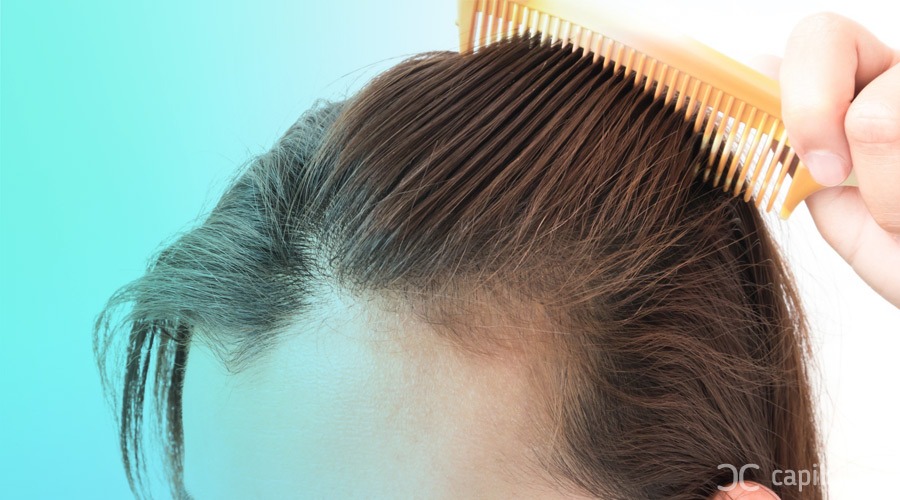
This condition manifests as gradual hair thinning and shedding, primarily on the top and frontal areas of the scalp. Women typically experience diffuse thinning, with a wider hair part and diminished volume, rather than the receding hairline or crown balding seen in men. The emotional toll can be significant, often affecting self-esteem and a sense of femininity.
What are the starting symptoms of female alopecia?
The general loss of thickness and strength is one of the most apparent signs of female alopecia. Also, clearings on the scalp are a symptom of this condition. Notice how the hair stripe becomes broader and thicker. You might also notice that the drop persists for two to three months. Other signs of baldness may be redness, peeling, itching, or pain in the scalp.
What are the types of female alopecia?
All three types of hair loss in women can be identified by the way it manifests in women. An expert should be consulted to make an accurate diagnosis and differentiate them.
Androgenetic alopecia
Women suffering from androgenetic alopecia face a significant reduction in hair density, resulting in visibly fewer strands on their scalp. This condition is primarily driven by hormonal imbalances that adversely affect the hair follicles, diminishing their ability to produce hair effectively. It stands as the most prevalent form of hair loss among women.
A variety of factors can contribute to the onset of androgenic alopecia, including poor nutrition, elevated stress levels, and genetic predispositions. As the condition progresses, women may notice that their hair becomes noticeably thinner and looser, with the appearance of lighter patches, particularly on the crown of the head.
Alopecia areata
This can cause the appearance of bald spots in the form of patches. An autoimmune reaction influences localized areas of the scalp, which show hairless ovals. It occurs when the immune system attacks the hair follicle, causing inflammation and a lack of nutrients. Hence, the hair that falls out is not replaced, and those small hairless spots emerge.
It’s not clear why the immune system attacks the follicles. Some theories suggest this is partly due to a genetic predisposition and external factors such as stress. Uncertainty about the duration of the inflammation, the areas affected, and the recurrence of symptoms is clearly a drawback.
Diffuse alopecia
Due to diffuse hair loss, female alopecia is characterized by rapid hair loss at recurrent rates. In this way, the mane appears fragile, while the scalp remains sometimes visible. It is usually related to other ailments, such as intestinal and liver diseases.
What are the causes of Female Alopecia?

Female alopecia often starts with gradual thinning, particularly around the temples or the part line. Increased shedding becomes noticeable during brushing, washing, or styling. Diffuse thinning across the scalp can also occur, revealing a widening part line or a more visible scalp.
Hormonal causes
Significant life events can lead to hormonal fluctuations that disrupt the natural hair growth phases. Pregnancy, menopause, and thyroid disorders are key contributors to this phenomenon. During these periods, women may notice increased hair shedding or thinning as the body adapts to these hormonal shifts.

How do women deal with female alopecia?
Alopecia in women requires treatment through appropriate and individualized procedures performed by a dermatologist familiar with its causes. Significant results are possible when the process begins promptly and the individual remains committed throughout.
Minoxidil
Starting treatment as soon as possible can lead to very positive results. For example, Minoxidil is a standard medical treatment. Taking it orally is as effective as applying it topically at night. It is designed to prevent hair loss and promote new hair growth.
Drugs
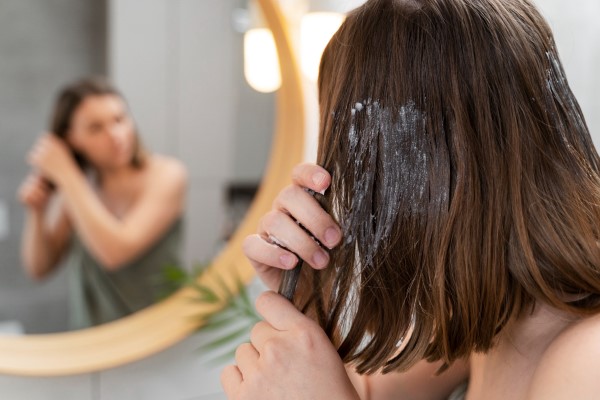
Hair loss in women can also be treated with products available in pharmacies. There are multiple options, including lotions, shampoos, ampoules, and food supplements. The key advice is to turn to a specialist in this field and follow up on the problem.
Hair mesotherapy
Hair mesotherapy is another effective treatment option. Biostimulation, which involves injecting hair cells in small amounts, aims to reverse follicle miniaturization and promote hair growth and thickness. The procedure is painless, does not require anesthesia, and poses no danger to the patient.
Platelet-Rich Plasma
Platelet-rich plasma is also an option. The patient’s plasma is injected into the dermis of the scalp to stimulate cell regeneration and promote the growth of hair follicles in this case.
Hair transplant
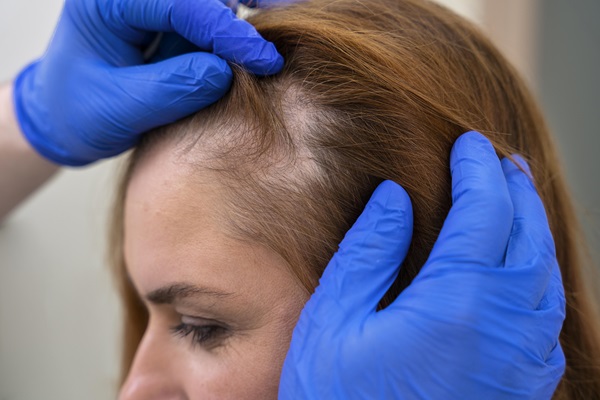
A hair transplant can be an effective solution for individuals experiencing hair loss. Still, it is most suitable when adequate hair is available in other areas of the scalp. This surgical procedure involves meticulously harvesting hair follicles from the back of the head, where hair tends to be more resistant to thinning. Then, they are transplanted individually into the thinning or balding areas on top.
This method benefits both men and women seeking to enhance their hair appearance. For those considering this option, we highly recommend CapilClinic, where our team of experienced and skilled doctors specializes in hair restoration techniques and is dedicated to providing personalized care throughout your journey.
How does female alopecia affect women psychologically?
While men can often accept alopecia with greater peace of mind, as shaving their heads is socially acceptable, women face a much more significant challenge. Hair is considered one of the main attributes of feminine beauty, and its loss can be devastating. Society often fails to recognize that women can experience hair loss, leading to significant psychological consequences such as isolation and depression.
Dermatology and psychology are deeply connected when it comes to alopecia. The skin and nervous system originate from the same embryonic layer. Consequently, stress triggers or exacerbates certain skin conditions, including female alopecia. Despite this, there remains a common misconception that hair loss is an inevitable aspect of life, particularly for women.
How does female alopecia act during menopause?

Female alopecia often becomes more pronounced during menopause, as it is linked to hormonal changes and the loss of fertility. Women frequently hide thinning hair with strategic hairstyles, which can result in avoiding social activities like swimming, going to the gym, or visiting the beach. This withdrawal from social life can create feelings of emotional isolation and distress, damaging personal relationships and even impacting work life.
Dr. Nigel C Hunt from the University of Nottingham conducted a study on the psychosocial effects of hair loss involving 1,400 participants. Findings revealed that over 25% of participants experienced hair loss or weakness, leading many to feel “different” from others. For women, these feelings can result in severe identity crises, social anxiety, and low self-esteem.
Faq’s
How do women deal with female alopecia?
Beyond the loss of hair, it often leads to an identity crisis, feelings of inferiority, and struggles with self-worth. With little social support or understanding of the issue, women may face discrimination at work, emotional detachment, and deteriorating personal relationships. This underscores the need for greater awareness and empathy regarding the mental health challenges associated with alopecia.
Is female alopecia permanent?
It depends on the type of alopecia. Some forms, such as telogen effluvium or alopecia areata, can be temporary and reversible with proper treatment. However, conditions like androgenetic alopecia (female pattern hair loss) are often progressive, but treatments can slow or halt the progression.
Are wigs or hairpieces a good option for women with alopecia?
Yes, hairpieces and wigs for alopecia can be a practical and confidence-boosting solution for women experiencing this type of hair loss. Today’s highly advanced wigs offer natural looks, comfort, and versatility. Some women also opt for hair toppers, extensions, or scarves to manage thinning hair.
Conclusion
Female alopecia is a significant and often misunderstood condition that impacts many women, affecting not only their physical appearance but also their emotional well-being. While the causes of alopecia vary, ranging from hormonal imbalances to lifestyle factors, timely diagnosis and appropriate treatment options can help manage and even reverse hair loss in many cases.
Treatments such as Minoxidil, mesotherapy, and hair transplants offer promising solutions, though psychological support is equally crucial in addressing the emotional consequences of hair loss. Greater awareness and understanding of female alopecia are necessary to help women cope with its impact, both physically and mentally.


Responsable – CAPIL SOLUTIONS. S.L
*Términos y condiciones
Finalidad – Dar respuesta a las solicitudes de información, y poder enviarle nuestras publicaciones, promociones de productos y/o servicios, gestionar los comentarios en el blog
Derechos Arco - Acceder, rectificar y suprimir los datos, así como otros derechos, como se explica en la información adicional.
info@capilclinic.us
Legitimación – Consentimiento
Destinatarios – No se cederán datos a terceros salvo obligación legal
Política de privacidad – Puede consultar nuestra política de privacidad aquí
*Política de privacidad