

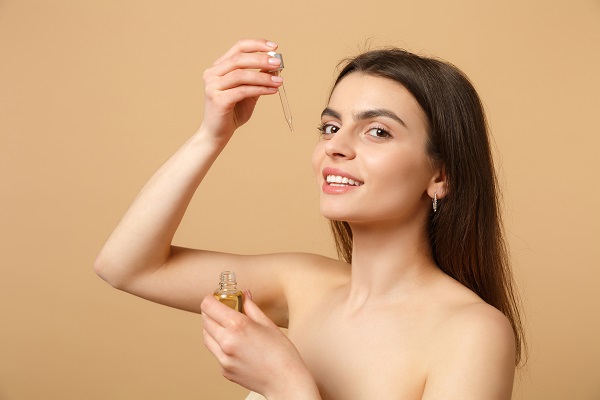
Hair filler treatment is a modern, non-surgical solution for hair regeneration and scalp rejuvenation. It helps restore hair density and strength using bioactive ingredients that nourish the follicles. Known as hair bioplasty in Latin America, hair filler is now the preferred term in the United States and the United Kingdom. The procedure uses microinjections of hyaluronic acid, peptides, and vitamins directly into the scalp. These ingredients create the right conditions for new, healthy hair to grow.
The treatment has gained popularity for its quick results, short recovery time, and effectiveness in both men and women with thinning hair. Unlike PRP or mesotherapy, hair filler combines hydration and follicle stimulation in one simple session. This approach makes it more targeted and offers longer-lasting results. As more people seek non-invasive ways to address hair loss, understanding how hair filler treatment works is key for anyone considering hair regeneration filler solutions.

How does Hair Filler work?
A hair filler treatment works through precise microinjections that deliver active ingredients directly into the scalp. Each injection targets areas affected by thinning or weakened hair. The formula reaches the hair follicles, where it begins to repair and stimulate growth.
The main components — hyaluronic acid, biomimetic peptides, and vitamins — act at different levels. Hyaluronic acid retains moisture, improving scalp hydration and elasticity. Biomimetic peptides send growth signals to dormant follicles, activating new hair production. Vitamins nourish the scalp and boost cellular metabolism, enhancing overall follicle function.
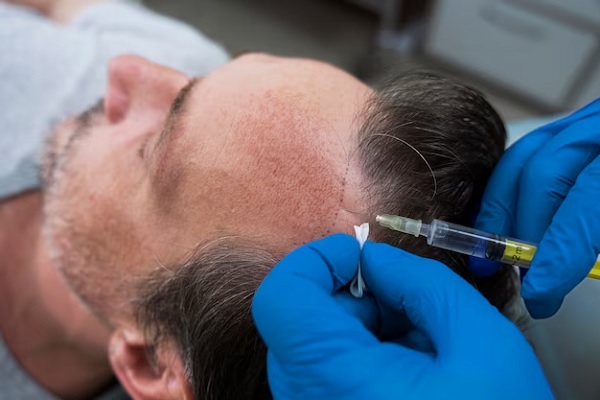
Doctors apply the product using fine microinjections, usually spaced one centimetre apart. The procedure takes about thirty minutes and requires no anaesthesia. Patients may feel mild pressure or tingling, but discomfort is minimal. The ingredients then form a slow-release matrix that continues stimulating the scalp for weeks.
Compared with traditional treatments like mesotherapy or PRP, hair filler is non-surgical and minimally invasive. It offers a deeper and longer-lasting effect because of its controlled ingredient release. Unlike PRP, which depends on the patient’s own plasma, hair filler uses stable, bioactive compounds designed to mimic natural growth factors.
This method focuses on both follicle stimulation and scalp biorevitalization, offering visible results without downtime. Its advanced mechanism makes it ideal for people seeking natural improvement without surgery.
Benefits of Hair Filler Treatment
A hair filler treatment offers a wide range of benefits for scalp health, hair density, and overall appearance. Most patients begin to notice visible improvements after just a few sessions, with progressive results over time.
1. Improved thickness and density
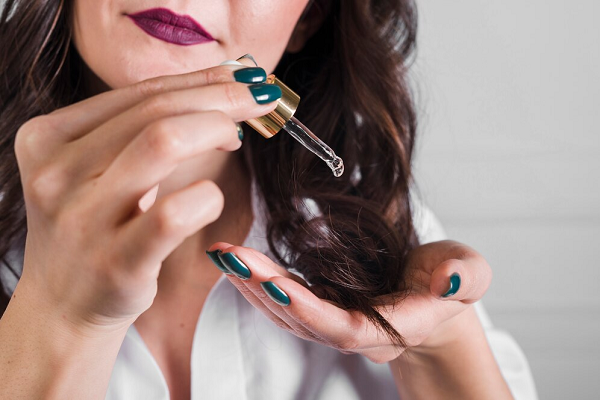
Hair filler enhances both the structure and quality of the hair shaft. By delivering biomimetic peptides and vitamins directly to the follicles, it activates dormant roots and stimulates continuous growth. Each strand becomes stronger and more resistant to breakage. Over several sessions, the hair visibly gains volume and density, giving the scalp a fuller and healthier look.
2. Reduced hair loss
The formula strengthens the follicle’s anchoring system and improves blood circulation in the scalp. This dual action helps reduce excessive shedding and protects against stress-related or hormonal hair loss. Unlike topical products, the injected nutrients act at the root, supporting long-term follicle stability and promoting thicker regrowth.
3. Deep scalp hydration
Hyaluronic acid, one of the treatment’s key ingredients, delivers intense hydration to the scalp tissues. It locks in moisture, improves elasticity, and reduces dryness or irritation. A well-hydrated scalp provides the ideal conditions for new hair to grow, while also improving comfort and reducing dandruff or tightness.
4. Visible results in few sessions
The treatment works gradually but effectively. After two to three sessions, many patients notice thicker strands, less shedding, and an overall healthier appearance. The scalp feels revitalised, and hair becomes shinier, stronger, and easier to style. Continued treatments enhance these effects and extend their duration.
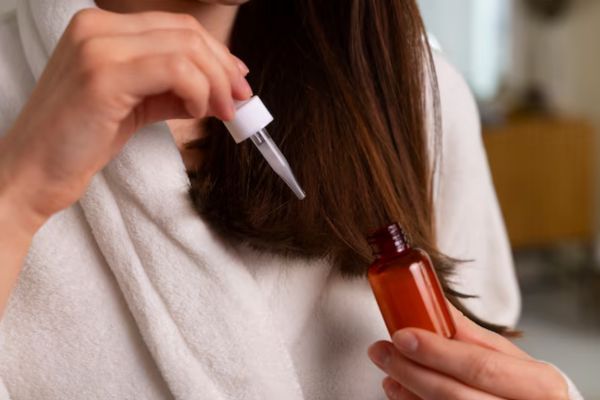
Beyond these physical improvements, hair filler treatment can significantly boost self-esteem and confidence. Restoring volume and vitality to the hair often transforms one’s appearance and sense of well-being. With stronger, denser hair, individuals feel more confident, youthful, and comfortable in their everyday lives.
Who is a good candidate for Hair Filler?
A hair filler treatment is suitable for both men and women who experience mild to moderate hair thinning. It is ideal for those noticing a gradual loss of volume, a wider parting, or weakened hair that breaks easily. People with diffuse alopecia, reduced density, or general scalp fatigue can particularly benefit from this treatment.
The procedure is also recommended for individuals who want to improve the condition of their scalp without undergoing surgery. It helps restore vitality after stress, hormonal changes, or seasonal shedding. Many patients choose it as a preventive measure to maintain hair density before significant loss occurs.
However, not everyone is a suitable candidate. The treatment should be avoided during pregnancy or breastfeeding, as well as by individuals with active autoimmune conditions. Those with scalp infections, open wounds, or severe inflammation must wait until their skin fully heals before treatment.
In general, anyone looking to strengthen weak hair, stimulate new growth, and improve scalp health can benefit from hair filler injections. A consultation with a qualified specialist helps determine the most appropriate plan and ensures safe, effective results.
Hair Filler vs PRP and Mesotherapy: Key differences
The three treatments — Hair Filler, PRP, and Mesotherapy — aim to restore hair growth and improve scalp health. However, their mechanisms, duration, and comfort levels differ significantly. The following table highlights their main distinctions:
| Aspect | Hair Filler | PRP (Platelet-Rich Plasma) | Mesotherapy |
|---|---|---|---|
| Duration of Results | Long-lasting, up to 12 months due to slow-release peptides and hyaluronic acid | Moderate, around 4–6 months, requires maintenance | Shorter, around 3–4 months, frequent top-ups needed |
| Recovery Time | Minimal to none — no downtime required | 1–2 days of mild swelling or tenderness | 1–2 days of redness or sensitivity |
| Pain or Discomfort | Low — gentle microinjections, well tolerated | Moderate — involves blood extraction and reinjection | Mild to moderate — multiple injections may cause slight discomfort |
| Number of Sessions | 2–4 sessions for visible results | 4–6 sessions, plus maintenance | 6–8 sessions, plus maintenance |
| Technology and Composition | Newest generation treatment with biomimetic peptides and hyaluronic acid for deep hydration and follicle repair | Uses patient’s plasma rich in growth factors | Cocktail of vitamins, amino acids, and minerals to nourish follicles |
The hair filler treatment stands out for its advanced formulation and lasting effects. Its combination of hyaluronic acid and biomimetic peptides delivers targeted regeneration, hydration, and follicle stimulation.
Treatment procedure: Step by Step
A hair filler treatment follows a structured process to ensure comfort, safety, and effective results. Each session is carried out by a trained specialist and usually lasts between 30 and 60 minutes.
1. Consultation and medical evaluation: The procedure begins with a detailed consultation. The specialist examines the scalp, reviews medical history, and identifies the cause of hair thinning. This step helps create a personalised treatment plan and determine the number of sessions required.
2. Scalp cleansing and preparation: Before starting, the scalp is thoroughly cleansed to remove oil, residue, or styling products. This ensures a sterile environment and allows the active ingredients to penetrate effectively. A topical anaesthetic cream may be applied to minimise discomfort during the session.
3. Application of microinjections: The practitioner uses fine needles to inject the hair filler solution directly into the scalp. The injections target areas with thinning hair or reduced density. The formula — rich in hyaluronic acid and biomimetic peptides — begins to hydrate, nourish, and stimulate the follicles immediately. Most patients describe the sensation as mild and tolerable.
4. Post-Treatment care: After the session, patients can return to normal activities without downtime. However, it is best to avoid washing the hair for 24 hours and skip saunas, pools, or intense exercise for two days. Mild redness or sensitivity may appear but usually disappears within hours.
 To achieve optimal results, most specialists recommend three to four sessions spaced three to four weeks apart. Maintenance treatments every six to twelve months help preserve density and hydration. A balanced diet, gentle hair products, and proper scalp hygiene further enhance the outcome and extend the effects of the treatment.
FAQ’s
Is hair filler safe for everyone?
Hair filler is generally safe when performed by a qualified specialist. It uses biocompatible ingredients like hyaluronic acid and peptides, which are well tolerated by most people. However, it’s not recommended for those who are pregnant, breastfeeding, or have active scalp infections or autoimmune conditions. A medical evaluation is always necessary to confirm suitability and ensure the safest, most effective approach for each patient.
How many sessions are usually needed for visible results?
Most patients notice improvement after two to three sessions, depending on the degree of hair thinning. The full course often includes three to four treatments spaced three to four weeks apart. This schedule allows the scalp to absorb nutrients gradually, stimulating long-term regeneration. Maintenance sessions every six to twelve months help sustain the results and keep the hair strong, dense, and healthy.
Can hair filler be combined with PRP or mesotherapy?
Yes, hair filler can safely be combined with PRP or mesotherapy to enhance results. Many specialists use a combined approach to address different aspects of scalp health. For example, PRP improves circulation, while hair filler hydrates and strengthens the follicles. Treatments are usually scheduled at different times to prevent irritation. A professional assessment determines the best combination for each individual’s scalp condition and hair goals.
Is there downtime after the treatment?
Hair filler is a minimally invasive and low-downtime procedure. Most patients can return to daily activities immediately after the session. Minor redness or tenderness may occur for a few hours but usually resolves quickly. To protect the scalp, it’s advisable to avoid washing the hair, using strong products, or engaging in intense exercise for 24 to 48 hours. Proper aftercare ensures optimal healing and results.
How long do the results of hair filler last?
The results of hair filler typically last between six and twelve months, depending on lifestyle, scalp condition, and hair type. Healthy habits, such as balanced nutrition and gentle hair care, can help prolong the effects. Regular maintenance sessions every six to nine months keep the follicles active and hydrated. With consistent care, patients enjoy stronger, thicker, and healthier-looking hair for an extended period.
Conclusion
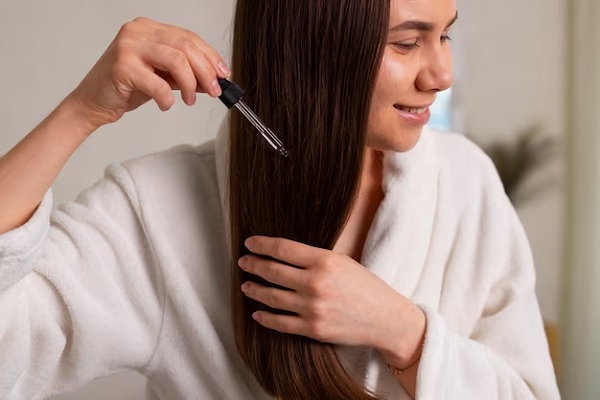
The hair filler treatment represents one of the most advanced and effective non-surgical solutions for hair restoration. By combining hyaluronic acid, biomimetic peptides, and essential vitamins, it revitalises the scalp, strengthens weakened follicles, and promotes long-term regeneration. Its gentle, minimally invasive approach makes it a safe option for both men and women seeking to improve hair thickness and density without surgery or lengthy recovery.
In Latin America, the procedure is often referred to as “hair bioplasty”, while internationally it is better known as “hair filler”. Despite the difference in terminology, both describe the same innovative method of stimulating natural hair growth through targeted microinjections. This standardised terminology reflects the global expansion of regenerative scalp treatments and their growing recognition in the field of aesthetic medicine.
Looking ahead, hair filler technology marks a significant step forward in the science of hair regeneration. With continuous research and refined formulations, the results are becoming more predictable, natural, and long-lasting. However, it remains essential to seek treatment from qualified and specialised clinics. Professional assessment ensures the correct diagnosis, safe application, and a personalised plan that achieves the most natural and satisfying outcome. Hair filler stands as a modern, reliable, and future-oriented approach to hair restoration.


Responsable – CAPIL SOLUTIONS. S.L
*Términos y condiciones
Finalidad – Dar respuesta a las solicitudes de información, y poder enviarle nuestras publicaciones, promociones de productos y/o servicios, gestionar los comentarios en el blog
Derechos Arco - Acceder, rectificar y suprimir los datos, así como otros derechos, como se explica en la información adicional.
info@capilclinic.us
Legitimación – Consentimiento
Destinatarios – No se cederán datos a terceros salvo obligación legal
Política de privacidad – Puede consultar nuestra política de privacidad aquí
*Política de privacidad