LLLT vs other hair loss treatments
Clinicians select the most appropriate hair loss treatment based on the underlying cause, degree of hair thinning, clinical evidence, cost considerations, and each patient’s personal preferences. Understanding how Low-Level Laser Therapy (LLLT) compares to other options helps patients make informed decisions about their care and expectations.
| Treatment |
Invasiveness |
Typical time to results |
Maintenance |
Typical cost |
Best for |
| LLLT (laser cap/comb) |
Non-invasive |
2–6 months |
Ongoing/periodic |
Low–Medium |
Early/moderate AGA, adjunct use. |
| Topical Minoxidil |
None |
4–6 months |
Continuous |
Low |
Early AGA, diffuse thinning. |
| Oral Finasteride |
None (systemic) |
3–6 months |
Continuous |
Low–Medium |
Male pattern hair loss (hormone sensitive). |
| PRP injections |
Minimally invasive |
3–6 months |
Repeat sessions every 6–12 months |
Medium |
Mild–moderate, regenerative adjunct. |
| Hair Transplant |
Surgical |
6–12 months |
Permanent (one-time) |
High |
Advanced, permanent restoration. |
| Stem-cell / experimental cloning |
Variable (in development) |
Experimental timelines |
Under study |
High |
Future options — research stage. |
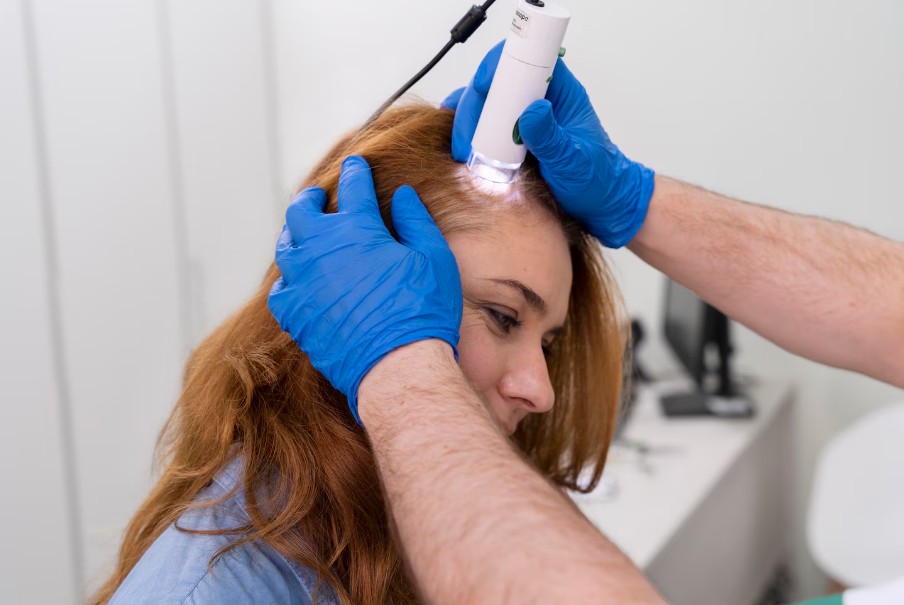
LLLT occupies a unique position within the spectrum of hair loss solutions. It offers a non-surgical, low-risk option that can support follicular activity without medication or recovery time. Although results are gradual and depend on consistent use, most patients notice visible improvements within a few months of regular sessions.
Compared to pharmacological treatments such as minoxidil or finasteride, LLLT has the advantage of being free from systemic side effects. It can also serve as a valuable complement to these therapies, enhancing outcomes through different biological pathways. When used alongside regenerative procedures such as PRP or after a hair transplant, it can further improve healing and follicle survival rates.
Treatment protocol, safety, and expectations
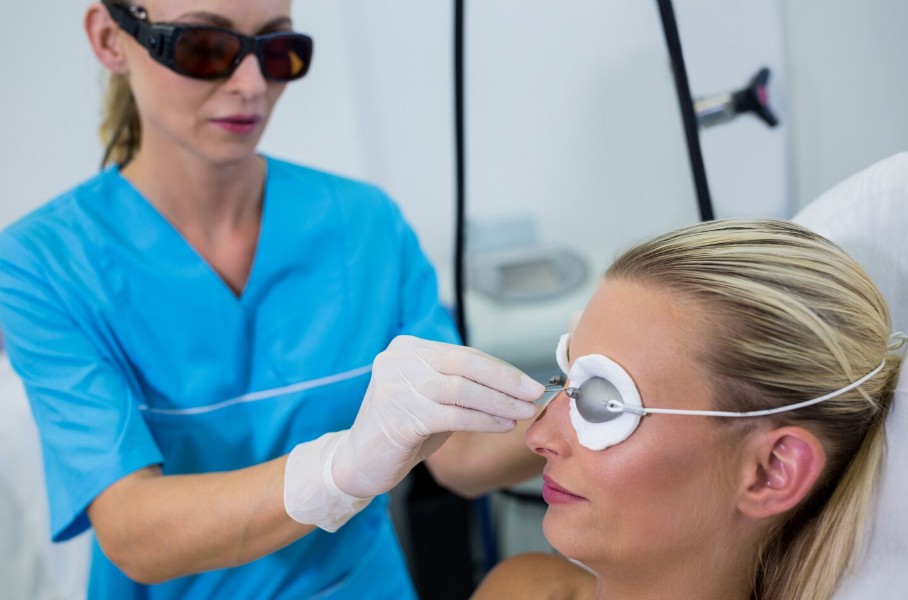
Low-Level Laser Therapy (LLLT) is typically delivered using caps, combs, or in-clinic devices designed to emit controlled doses of red or near-infrared light. Most treatment protocols recommend sessions lasting around 15 to 20 minutes, three times per week, although the exact frequency and duration can vary depending on the device type, wavelength, and energy output. Some advanced systems feature pre-set, device-specific programmes designed to ensure optimal dosage and user convenience. Clinical studies show variation in treatment parameters, so it is important to follow the manufacturer’s or clinic’s instructions precisely to achieve consistent and safe results.
In terms of safety, LLLT is considered one of the lowest-risk hair restoration therapies available. Side effects are rare and usually mild, such as temporary scalp warmth, tingling, or slight irritation. There are very few contraindications, though individuals with photosensitivity disorders, active scalp infections, or those taking light-sensitising medications should avoid treatment unless cleared by a specialist. A professional consultation is always advised to assess suitability and rule out underlying medical causes of hair loss before beginning therapy.
What results can patients expect & timeline?
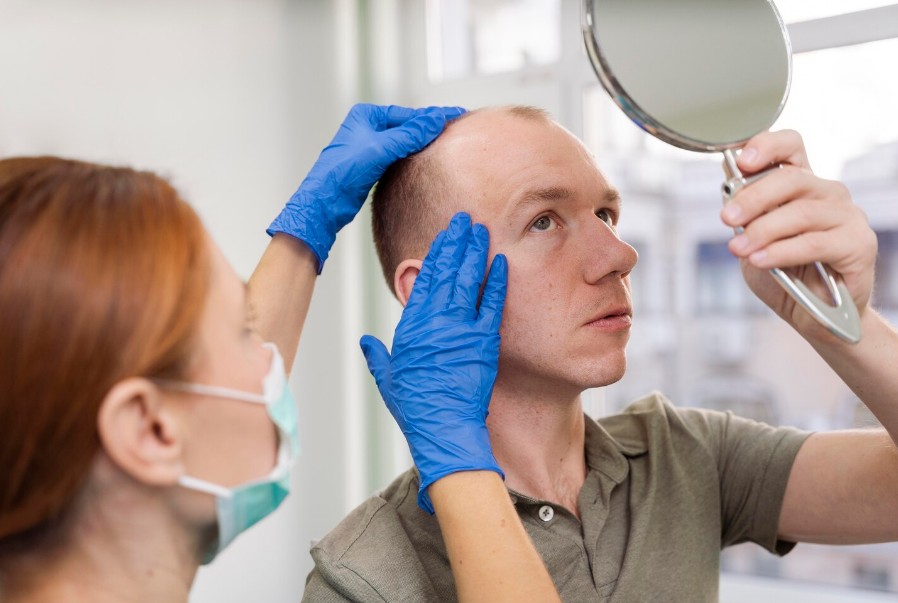
Patients can generally expect gradual but visible improvements when LLLT for hair loss is used consistently over time. The first signs, such as reduced shedding and a healthier scalp appearance, may appear after about two to three months of regular use. Measurable increases in hair density and thickness typically follow between four and six months. The most noticeable and stable results are usually achieved around six to nine months, provided the treatment is maintained as recommended.
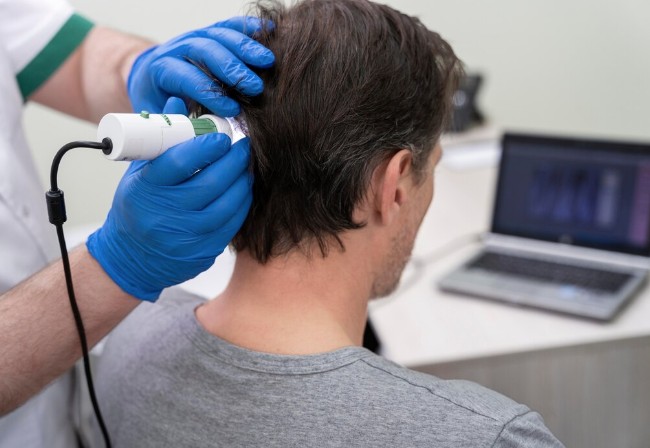
Individual responses vary depending on hair loss, stage, and overall scalp health. Combining LLLT with diagnostic tools such as trichoscopy and laboratory tests, or even hair mesotherapy, helps set realistic expectations and enables a more tailored treatment approach for each patient.
FAQs
Is laser therapy safe for hair loss?
LLLT is widely regarded as a safe and well-tolerated treatment. FDA-cleared home-use devices meet strict safety standards, and side effects are generally mild—most often temporary scalp warmth or mild irritation. However, those with photosensitivity disorders, active scalp conditions, or who take light-sensitising medications should seek medical advice before starting. A clinical assessment ensures suitability and helps avoid use in cases such as scarring alopecia or ongoing scalp infections.
How often should I use a laser device?
Usage frequency depends on the specific device and its energy output. A typical protocol involves 15–20-minute sessions, three times per week. Some medical-grade systems may recommend different intervals. Consistency is crucial, as irregular use can delay or diminish visible improvement. Always adhere to the manufacturer’s or clinic’s instructions and, where possible, document progress with photographs to monitor gradual changes.
Can LLLT be combined with other therapies?
Yes. Clinical studies show that combining LLLT with treatments like topical minoxidil, oral finasteride, or regenerative therapies such as platelet-rich plasma (PRP) often enhances outcomes. These approaches target different mechanisms, supporting both follicular stimulation and hormonal balance. A hair specialist can design a personalised combination plan to maximise results while maintaining safety and long-term scalp health.
Will laser therapy grow a full head of hair?
LLLT can improve hair density and strengthen existing follicles, but it is not a cure for baldness. It is most effective for early-to-moderate thinning, helping to slow shedding and encourage regrowth. Once follicles are permanently inactive or scarred, results are limited. For advanced hair loss, surgical restoration remains the only definitive option. Realistic expectations and consistent use are key to satisfaction.
How long do results last?
Results from LLLT require ongoing maintenance to sustain improvements. Many patients continue periodic sessions or use home devices regularly to maintain gains. If therapy stops, benefits usually decline gradually within several months. Long-term success depends on adherence and addressing any underlying contributing factors, such as hormonal imbalance, nutritional deficiency, or medication-related hair loss.
Conclusion
Low-Level Laser Therapy (LLLT) represents a safe, non-invasive, and scientifically supported option for individuals experiencing androgenetic or diffuse hair thinning. Clinical studies consistently show that regular use can improve hair density and scalp health for many patients, particularly when treatment begins early. Its gentle mechanism, minimal side effects, and convenience make it an appealing choice for those seeking a maintenance-friendly approach to hair restoration.
However, success depends on personalised care. Accurate diagnosis through trichoscopy and blood testing helps identify underlying causes and ensures realistic expectations. The most effective outcomes often come from an integrated treatment plan — combining LLLT with medications, platelet-rich plasma (PRP), mesotherapy, or even surgical options where appropriate. Readers interested in complementary approaches can explore related discussions on PRP, medications that cause hair loss, and emerging treatments such as stem-cell or cloning therapies.
Ultimately, while LLLT can play a valuable role in promoting hair growth and stability, it should form part of a broader, medically guided strategy. Consulting a qualified specialist allows for a tailored plan that matches individual needs, ensures safe use, and maximises results. Taking this comprehensive, professional approach offers the best chance of achieving long-term improvement and confidence in one’s hair health.





Responsable – CAPIL SOLUTIONS. S.L
*Términos y condiciones
Finalidad – Dar respuesta a las solicitudes de información, y poder enviarle nuestras publicaciones, promociones de productos y/o servicios, gestionar los comentarios en el blog
Derechos Arco - Acceder, rectificar y suprimir los datos, así como otros derechos, como se explica en la información adicional.
info@capilclinic.us
Legitimación – Consentimiento
Destinatarios – No se cederán datos a terceros salvo obligación legal
Política de privacidad – Puede consultar nuestra política de privacidad aquí
*Política de privacidad