

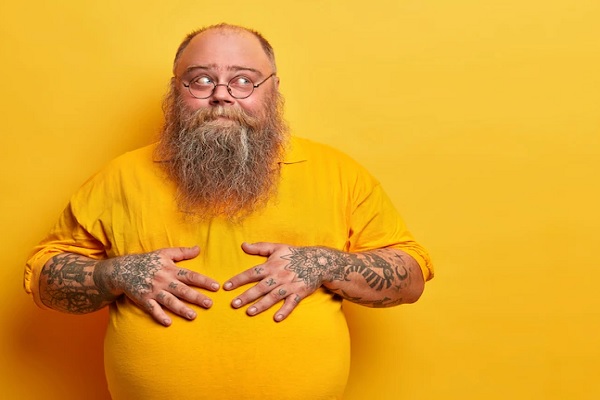
The causes of hair loss are countless, and it can happen for a variety of reasons. Some people experience hair loss as they get older, while others experience it earlier in life. Yet other people, even as they get older, have a fuller head of hair. While some people can blame stress, others can breeze through the most trying times without their beautiful locks suffering. It is also possible that there is a relationship between Hair Loss and Obesity.
The most important step in addressing hair loss is to identify the root of the problem. Even if you get a hair restoration to replace lost hair, it is important to know how to maintain the health and integrity of the remainder of your hair. In this way, you have a remedy for the loss of hair you have already experienced, as well as a technique to stop further baldness.
What is obesity?

Obesity is a very complex pathology. It is recognized because those suffering from it have a large body fat. Many people associate this disease only as an exclusively aesthetic problem. But it really is a serious health problem that can aggravate pre-existing conditions or lead to other diseases. These include cancer, diabetes, heart disease, blood pressure problems, and baldness.
There are a variety of reasons why people find it difficult to lose weight. In general, obesity can be caused by countless factors, ranging from physiological imbalances to heredity. When combined with a lack of exercise and a poor diet, it leads to rapid weight gain.
People who suffer from excess weight suffer from a deterioration in their quality of life. With excess weight, everyday tasks, and physical activities that you used to enjoy become very difficult to execute. People who suffer from obesity may feel embarrassed when they are in public places. Because they feel uncomfortable because of their appearance or fear of being discriminated against.
What disease can obesity cause?
Many diseases can be caused by excessive weight. But there are also other problems related to obesity, which deteriorate people’s well-being:
- Poor work performance.
- Social isolation.
- Shame.
- Depression.
- Fault.
Fortunately, when you manage to lose a certain amount of weight, you can avoid or improve many health problems related to being overweight. Maintaining a healthy diet and including more daily physical activity can be of great help in improving overall health. The main thing is to seek help from a professional to achieve a better state of health.
Can Obesity Lead to Hair Loss?

Whether a person’s weight increase can contribute is one of the most frequently asked questions when searching for hair restoration methods. This is a popular question for obese people who deal with a variety of illnesses brought on by their weight.
Links Between Obesity and Hair Loss
There are ties between obesity and hair loss, but you must comprehend how exactly they are related. There’s no direct connection. The interesting thing is that most people do not start losing their hair just because they are obese. You might not have to keep worrying if you’re going to start losing hair if you have lately put on weight. Even if you’ve always been overweight, it might not be the cause of your significant hair loss.
Nevertheless, there is some evidence linking obesity to hair loss. Some of the underlying causes of obesity may also be associated with increased hair loss. Obesity may also be a contributing factor in some circumstances where hair loss is unavoidable. You may experience hair loss as a result of the weight gain treatments you are taking that are having a systemic impact.
Obesity and Stress
A lot of information indicates you tend to gain weight when overall stress levels are extremely high. Obesity is a frequent side effect for people who lead high-stress lifestyles. The same factor also causes hair loss. High stress levels can cause hair loss that is so severe you must choose medicine to help your hair come out of the telogen phase, or resting phase. Stress-related hair loss is not a lifelong condition.
Obesity Associated With Diabetes
Diabetics frequently have trouble managing their weight, and obesity is a widespread problem among them. The same problem also impacts hair, leading to a considerable loss of hair. Diabetes impairs the body’s ability to circulate blood, reducing blood flow to the scalp. This disrupts the supply of nutrients to the follicles, which prevents the growth of new hair.

Balance of Hormones and Weight Gain
Any hormone imbalance in the body has a significant negative impact. You may gain weight quickly if your hormone levels are out of balance. These hormonal abnormalities also have an impact on the renewal of your hair follicles. Thinning and hair loss are inevitable results. Keep in mind that thyroid disorders are known to lead to hair thinning and loss.
In addition to its effects on hair, an imbalance in thyroid hormones is also associated with weight gain. Weight gain related to hormonal imbalance may also result in various hair issues, such as thinning and loss. Therefore, it’s important to be mindful of your hormonal health, as it plays a crucial role in both weight management and the health of your hair.
Poor Dietary Habits and Weight Management
Lack of good nutrition control is among the most prevalent reasons for obesity. Overeating, eating too few meals, and eating empty-calorie snacks can significantly increase weight gain. Another factor contributing to weight gain or loss of control over weight is eating a meal deficient in the proper nutrients and fiber. Anemia frequently causes hair loss, especially among vegetarians and vegans.
If the appropriate tests are not ordered, blood testing may fail to detect an iron deficiency. Understanding the importance of maintaining a balanced and nutrient-rich diet is crucial in preventing health issues such as obesity and anemia. When we consume excessive amounts of unhealthy, empty-calorie snacks and irregular meals, our bodies may not receive the necessary nutrients for overall health.

It’s important to pay attention to the quality and quantity of the food we consume and ensure that we incorporate a variety of nutrient-dense foods into our diets. Furthermore, understanding and addressing health concerns such as anemia is essential for maintaining overall well-being. Regular health check-ups and proper testing can aid in identifying and addressing any potential nutritional deficiencies, ultimately contributing to better health outcomes.
A Further Inspection on the Matter
Many weight loss medications have the potential to degrade the quality of your hair and slow the rate at which it grows. You may experience rapid hair loss as a result, and your tresses may thin out quickly.
Losing weight while on a diet may cause hair loss. Keep in mind that for your hair to grow strong and healthy, it needs certain nutrients like proteins and vitamin E. Your nutrient intake could be severely reduced due to your crash diet, which could also negatively impact your hair. Any diet you follow should have a healthy mix of nutrients to prevent harm to your body.
Heart disease is another prevalent side effect of obesity. When you have heart disease, your blood circulation in every region of your body is poorer. Poor circulation results in inadequate nutrient supply to the scalp, which also contributes to hair loss. This is just another example of how obesity may indirectly but still directly cause hair loss.
How to combat hair loss due to obesity?
In order to be able to treat hair loss, it is essential to receive a correct diagnosis of the condition. Therefore, it is necessary to go to a qualified expert. That after carrying out the relevant studies, you can check if the hair loss is caused by excess weight. Only after diagnosis can appropriate treatment be received.

The first thing to do is improve your diet and maintain a balanced, low-fat diet. This can avoid many of the pathologies that derive from obesity. Second, physical exercise must be increased according to the person’s age and condition. In this way, we can combat a sedentary lifestyle.
As far as the hair is concerned, the damage caused to the hair follicles can be combated with the application of various treatments. Among them, PRP (platelet-rich plasma) stands out. With this, it is possible to activate the aged follicles, resuming their hair production. Hair mesotherapy provides the nutrients that the hair cells need by infiltrating proteins, vitamins, and minerals into the scalp. With these treatments, it is possible to improve the vitality of the hair and increase its strength.
In the consultation, the expert will decide which treatment is best for each patient’s specific case. Hair loss can manifest itself in various ways and to varying degrees. It can be acute, temporary, chronic, or permanent. For some patients who have already lost a lot of hair, hair transplantation may be considered in addition to the other treatments mentioned above.
Conclusion
Ensuring your hair stays healthy is closely tied to maintaining your overall well-being. Although there isn’t a direct link between body weight and hair loss, keeping yourself in good physical shape and well-nourished can significantly contribute to the health and appearance of your hair. Making adjustments to your dietary choices, establishing a regular exercise routine, and managing your weight in a way that doesn’t compromise vital nutrients are essential for preventing further hair loss.
Consuming a diverse and balanced diet rich in essential vitamins, minerals, and proteins is important. This will benefit your overall health and positively impact the health and vibrancy of your hair. Furthermore, engaging in regular physical activity promotes improved blood circulation, which in turn can enhance the health of your hair.


Responsable – CAPIL SOLUTIONS. S.L
*Términos y condiciones
Finalidad – Dar respuesta a las solicitudes de información, y poder enviarle nuestras publicaciones, promociones de productos y/o servicios, gestionar los comentarios en el blog
Derechos Arco - Acceder, rectificar y suprimir los datos, así como otros derechos, como se explica en la información adicional.
info@capilclinic.us
Legitimación – Consentimiento
Destinatarios – No se cederán datos a terceros salvo obligación legal
Política de privacidad – Puede consultar nuestra política de privacidad aquí
*Política de privacidad