

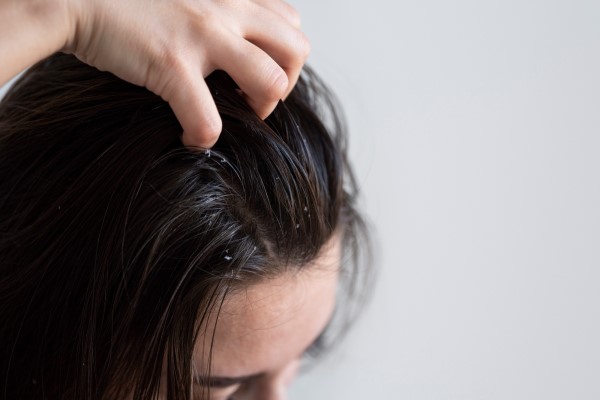
Having hair so oily is a common concern for many people, often leading to frustration and confusion. While natural oil production is crucial to keeping hair healthy and moisturized, too much oil can lead to greasy, straight, and unmanageable hair.
Several factors can contribute to this problem, including genetics, hormonal changes, daily habits, and environmental influences. In this discussion, we will examine the various reasons behind greasy hair and offer practical tips and remedies to help restore balance. In conclusion, we want you to achieve a healthy look and help you get rid of hair so oily.
Why do I have my hair so oily?
There comes a point when hair so oily becomes a nightmare because it can affect the health of your scalp. Several factors cause greasy hair. Everyone is different, so you need to find out the problem and find a solution.
Sebum production
Sebaceous glands in the scalp produce sebum, a natural oil. This essential substance moisturizes and protects the hair and scalp. It creates a barrier against environmental damage, ensuring overall hair health. However, some people experience excessive sebum production, which makes their hair appear overly oily.
This imbalance often results from genetic predispositions. Additionally, hormonal changes throughout life can significantly influence the amount of sebum produced, further contributing to this condition.

Hormonal changes
Hormones play a key role in regulating sebum production. During puberty, androgen hormones like testosterone increase significantly, stimulating the sebaceous glands. This surge often leads to the skin and hair so oily, which can contribute to acne and other skin concerns. These hormonal shifts are a natural part of development but can impact skin balance noticeably.
Other life stages, including pregnancy and menopause, also cause hormonal changes that influence sebum production. During pregnancy, elevated levels of progesterone and estrogen often lead to increased oiliness. Conversely, menopause brings fluctuating hormone levels that can reduce sebum production, causing drier skin and hair.
Overwashing
Washing your hair too frequently can harm both your scalp and hair health. Frequent cleansing removes not only dirt and product buildup but also strips away natural oils, called sebum, produced by sebaceous glands. These oils are essential for locking in moisture and protecting hair from dryness and breakage, keeping it healthy and resilient.
When these oils are removed excessively, your body often compensates by increasing sebum production. This response can create a frustrating cycle where hair feels oily shortly after washing. The urge to wash it again exacerbates the issue, leaving hair even more unbalanced. Establishing a washing routine tailored to your hair type is essential for breaking this cycle and promoting a healthier scalp and hair.
Harsh products

Many hair care products contain sulfates and alcohol, which can be harsh on both the scalp and hair. Sulfates, strong detergents known for their lathering effect, effectively cleanse dirt and oil. However, they also strip away essential oils that are crucial for maintaining scalp and hair health. When these natural oils are removed, the scalp may overproduce sebum to compensate, resulting in greasy hair and an imbalanced scalp.
Alcohol in hair products can also cause damage. Certain types of alcohol can dry out hair and irritate the scalp, worsening these issues. To avoid such effects, selecting sulfate-free and alcohol-free products is essential. These formulations help maintain the scalp’s natural moisture balance, supporting healthier, stronger hair and a more comfortable scalp.
Incorrect hair care routine
Excessive brushing or touching of hair can significantly affect both scalp health and hair appearance. Frequent brushing or running fingers through hair stimulates the scalp, encouraging sebum production. This natural oil, produced at hair follicles, travels along the hair shafts and often results in a greasy look, especially near the roots.
Touching hair throughout the day, whether to adjust a style or play with strands, can worsen the problem. This constant contact not only spreads oil but also transfers dirt and particles into the hair. Consequently, hair may appear less clean and more oily, making it challenging to maintain a fresh look. Reducing excessive touching and brushing is key to keeping hair healthy and well-groomed.
Climate and environment

Environmental factors greatly influence sebum production on the scalp. In humid climates, increased perspiration raises moisture and oil levels, often resulting in greasier hair. This dampness provides an ideal setting for excess sebum production, making hair appear oily more quickly.
Additionally, exposure to pollutants, dust, and dirt in urban areas worsens the issue. These elements settle on the scalp, mix with natural oils, and create buildup that impacts hair’s appearance and scalp health. Adopting tailored hair care routines is essential for managing oiliness and maintaining a clean, healthy scalp in such conditions.
Dietary habits
The link between diet and oily hair is not fully understood, but some individuals observe a connection. Consuming a diet rich in greasy or oily foods may stimulate the scalp’s sebaceous glands, leading to excess sebum production. This overproduction can make hair appear greasy and unwashed more quickly.
Maintaining a balanced diet is essential for promoting scalp health and managing oiliness. Including nutrient-dense foods like fruits, vegetables, whole grains, and lean proteins while reducing high-fat and processed foods can help. Staying hydrated by drinking sufficient water also supports overall scalp health and regulates oil production. Combining a balanced diet with food for healthy hair and proper care can result in healthier hair and a well-maintained scalp.
Stress
Chronic stress can significantly disrupt hormonal balance, including hormones that regulate sebum production. Sebum, the natural oil from sebaceous glands, maintains moisture and prevents dryness in the skin and hair. However, prolonged stress elevates cortisol levels, which stimulates these glands to produce more oil.
As a result, hair may appear greasier or oilier than usual, leading to noticeable changes in texture and oiliness. This can be both uncomfortable and challenging to manage for individuals experiencing high stress. Recognizing this connection emphasizes the importance of managing stress to maintain balanced sebum production and overall hair health.
Not using conditioner
Skipping conditioner may seem like a solution for oily hair, but it can actually worsen the issue. Conditioning the ends of your hair is essential for maintaining proper moisture balance. When ends become dry and brittle, natural oils from the scalp travel down the hair shaft seeking moisture. This process can make the entire hair length appear greasier than if the ends were adequately conditioned.
Additionally, neglecting conditioners can lead to breakage and split ends, further aggravating the problem over time. Using a suitable conditioner keeps your hair hydrated and healthy while preventing the oily appearance that results from unbalanced moisture levels.

Tips for managing your hair so oily
Managing oily hair can often feel like a challenging battle. Still, with a few thoughtful strategies, you can gain control over your hair’s sheen and minimize excessive oil production. By adopting the right techniques and products tailored to your hair type, you can maintain a fresh and vibrant look, helping you to navigate through your day with confidence and ease.
Check your shampoo routine
One of the most important things you can do is find the right shampoo for your hair type. Look for shampoos that are formulated for oily hair. Shampoos often contain ingredients like tea tree oil, salicylic acid, or clarifying agents that help to remove excess oil and buildup. Avoid heavy, moisturizing shampoos, as these can actually make the problem worse by adding more oil to your hair.
It’s also a good idea to shampoo your hair more frequently, perhaps every other day or even daily. This way, you will keep the oil production in check. Be careful not to over-shampoo, though, as this can strip your hair of its natural oils and lead to dryness and irritation.
Try a clarifying treatment

In addition to your regular shampoo routine, incorporating a clarifying treatment can be extremely helpful for managing oily hair. These treatments, usually in the form of a mask or deep conditioner, are designed to deeply cleanse the hair and scalp, removing any built-up product, dirt, or excess oil.
Look for clarifying treatments that contain ingredients like apple cider vinegar, charcoal, or clay. Apply them once or twice a week, leaving them on for the recommended time before rinsing thoroughly. This can help to reset your hair’s oil production and leave it feeling refreshed and balanced.
Blot, don’t rub
When it comes to dealing with oily hair throughout the day, it’s important to be gentle. Avoid the temptation to rub or vigorously pat your hair. This can actually stimulate more oil production and lead to frizz or flyaways.
Instead, use blotting papers or a clean, dry paper towel to gently dab at the oily areas of your scalp and hair. This will help to absorb the excess oil without disrupting your style or causing further damage.
Limit styling products

While it may be tempting to use a variety of styling products to tame your oily hair, it’s best to keep your product use to a minimum. Heavy, oil-based products like pomades, waxes, and creams can actually contribute to the problem by adding more oil to your hair.
Opt for lightweight, volumizing products that won’t weigh your hair down, such as dry shampoos, texturizing sprays, or volumizing mousses. And be sure to thoroughly rinse out any styling products when you shampoo to prevent buildup.
Manage stress and hydrate
Finally, don’t underestimate the impact that stress and hydration can have on your hair’s oil production. When you’re feeling overwhelmed or anxious, your body’s stress response can trigger an increase in oil secretion.
Make sure to take time for self-care, whether that’s through meditation, exercise, or simply taking a few deep breaths throughout the day. Additionally, staying hydrated by drinking plenty of water can help regulate your body’s oil production and keep your hair and scalp healthy.

With a little experimentation and patience, you can find the right strategies to manage your hair so oily and keep it looking its best. Let me know if you have any other questions!
Faq’s
Can I use dry shampoo on oily hair?
Yes, dry shampoo can be a great option for managing oily hair in between washings. The powders in dry shampoo help to absorb excess oil and grease, giving your hair a refreshed, clean appearance. Just be sure not to overuse it, as this can lead to product buildup.
What shampoo is best for hair so oily?
Look for shampoos that are specifically formulated for oily or greasy hair. These often contain clarifying agents like sulfates, tea tree oil, or salicylic acid that help remove excess oil and buildup. Avoid heavy, moisturizing shampoos which can add more oil to the hair.
Are there any home remedies for oily hair?
Yes, some natural ingredients can help manage oily hair, such as apple cider vinegar rinses, as the acidity helps remove buildup. Also, baking soda paste works as a gentle exfoliant for the scalp. In addition, clay masks help draw out excess oil and impurities.
Conclusion
In conclusion, managing oily hair requires understanding the various factors that contribute to excess sebum production, such as genetics, hormonal changes, environmental influences, and lifestyle habits. By recognizing the role of sebum and implementing appropriate hair care strategies, such as choosing the right shampoo, avoiding harsh products, and maintaining a balanced diet, individuals can restore balance to their scalp and hair. Additionally, managing stress and staying hydrated can help regulate oil production, leading to healthier, less greasy hair.


Responsable – CAPIL SOLUTIONS. S.L
*Términos y condiciones
Finalidad – Dar respuesta a las solicitudes de información, y poder enviarle nuestras publicaciones, promociones de productos y/o servicios, gestionar los comentarios en el blog
Derechos Arco - Acceder, rectificar y suprimir los datos, así como otros derechos, como se explica en la información adicional.
info@capilclinic.us
Legitimación – Consentimiento
Destinatarios – No se cederán datos a terceros salvo obligación legal
Política de privacidad – Puede consultar nuestra política de privacidad aquí
*Política de privacidad