

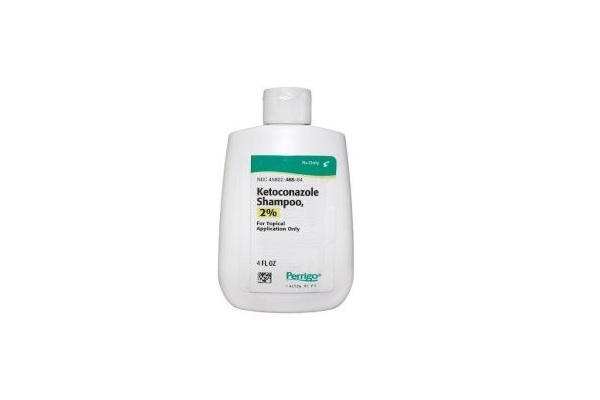
Ketoconazole shampoo is the most extensively used and highly recommended therapy for scalp infections. Simply put, it is a reddish-orange liquid that can be applied to the scalp to treat fungal infections. The active ingredient in the products is ketoconazole. The Food and Drug Administration (FDA) approved ketoconazole in a 2 percent solution to treat specific disorders, such as dandruff, seborrheic dermatitis, and tinea versicolor, a noncontagious fungal skin infection. It is available in both over-the-counter (OTC) and prescription dosages.
If a patient suspects they have a fungal infection, the best course of action is to seek medical attention. A doctor can offer more information about the best remedies for their disease. This article explains ketoconazole shampoo, its types, who should and should not use it, the possible adverse effects of using this product, and much more.
What is Ketoconazole Shampoo?

Ketoconazole shampoo is a specialized hair care product designed to effectively treat fungal infections and various scalp conditions. The key active ingredient is ketoconazole, an antifungal medication in the azole class. This influential ingredient works by inhibiting the growth of fungi, mainly targeting the yeast-like organisms called Malassezia, which are often responsible for causing a range of scalp issues.
How Does Ketoconazole Shampoo Work?
Ketoconazole is an antifungal medication that interferes with the synthesis of ergosterol. This is why it is an essential component of fungal cell membranes. By disrupting this process, ketoconazole weakens the integrity of the cell membrane, ultimately leading to the death of the fungal cells.
This mechanism of action makes ketoconazole effective against a variety of fungi. That includes those responsible for common scalp conditions such as dandruff and seborrheic dermatitis. Its ability to target and weaken fungal cell membranes sets it apart as an effective treatment for these conditions.
Categories of Ketoconazole shampoo
To a significant extent, all ketoconazole shampoos behave similarly. A higher concentration of ketoconazole in certain shampoos makes them more effective than shampoos with a lower concentration. There is no need to always buy a heavy-duty product. More medication is not always better for treatment.
To avoid confusion, we categorized them based on the strength of action because different companies create this product and may offer them different company names. These shampoos can be classified into these two major groups.
Shampoos containing 1% ketoconazole

Shampoos containing 1% ketoconazole commonly treat dandruff caused by seborrheic dermatitis. A few times a week for a short time is recommended for over-the-counter remedies like Nizoral Anti-Dandruff Shampoo.
Shampoos containing 2% ketoconazole
Ketoconazole 2 percent solution is often used to treat fungal infections like tinea versicolor. It is a one-time therapy that requires a doctor’s prescription.
Are there any adverse effects to using ketoconazole shampoo?
If you’re seeking a safe and effective shampoo, ketoconazole is an excellent choice. However, there are some downsides that some people may wish to avoid.
When applied to the skin, ketoconazole shampoo can cause a burning, stinging, and itching sensation that can last for hours or even days. Shampoo irritants are common, but severe cases should be reported to a doctor, and the product should be withdrawn from the market.
Some of the side effects include dry scalp, dandruff, scalp blisters, and a change in hair texture. Allergic responses have been reported, from hives, redness, and swelling to difficulties breathing or swallowing after using a product. Ketoconazole should be stopped promptly if you experience an adverse reaction.
How to use a ketoconazole shampoo

The FDA approved ketoconazole in a 2 percent solution to treat dandruff, seborrhoeic dermatitis, and tinea versicolor. Professionals recommend ketoconazole shampoos every 3-4 days for the first 8 weeks to treat dandruff and then as needed after that. If you have any questions about your product’s label, the experts are here to help. If your symptoms don’t improve or worsen following treatment, don’t hesitate to see your doctor.
Step-by-step instructions on how to use it
Diluting ketoconazole shampoo with water is crucial before applying it to the skin or scalp. While using ketoconazole products, you should keep them away from your eyes and mouth, as they should not be consumed. If you get ketoconazole shampoo in your eyes, immediately flush them with a large amount of water.
You can follow this tutorial to get the most out of it:
- Wet the area in water before applying ketoconazole shampoo.
- Apply the shampoo generously to the affected area.
- Use your fingers to massage shampoo gently into your scalp and allow it to remain on your hair for a minimum of 5 minutes.
- Rinse your hair and skin well with water to remove the shampoo.
Potential Side Effects
While ketoconazole shampoo is generally considered safe, like any medication, it may cause side effects in some individuals. Common side effects include:
Irritation
Some individuals may encounter slight irritation, redness, or itching at the location where they apply the product. These effects are typically mild and temporary.
Dryness
Ketoconazole shampoo can sometimes lead to dryness of the hair and scalp. Using a moisturizing conditioner can help alleviate this side effect.
Allergic Reactions
Although rare, some individuals may be allergic to ketoconazole. If you experience signs of an allergic reaction, such as rash, itching, or swelling, discontinue use and seek medical attention.
Changes in Hair Texture
In some cases, individuals may notice changes in the texture or color of their hair. These changes are usually temporary and resolve upon discontinuation of the shampoo.
It’s crucial to inform your healthcare provider of any adverse reactions or concerns you may have while using ketoconazole shampoo.
Precautions and Considerations
Pregnancy and Breastfeeding
If you are pregnant or breastfeeding, it’s essential to consult your healthcare provider before using ketoconazole shampoo. While topical application is generally safe, seeking professional advice is best.
Other Medications
Inform your healthcare provider about any other medications or topical products you are using. This way, you will be able to avoid potential interactions.
Underlying Conditions
People with certain medical conditions, such as liver disease, should exercise caution when using ketoconazole shampoo. Discussing your medical history with your healthcare provider before starting treatment is crucial.
Regular Monitoring
Your healthcare provider may recommend periodic check-ups. They must monitor your response to ketoconazole shampoo and assess potential side effects.
Who shouldn’t use ketoconazole shampoo?

Those allergic to ketoconazole, the shampoo’s primary ingredient, should avoid its use. However, ketoconazole can be used safely on the skin, and customers can use ketoconazole shampoo. Ketoconazole shampoo should be terminated immediately if a patient experiences an adverse reaction. If the response becomes extreme, you should seek immediate medical attention.
Also, pregnant women should not use ketoconazole shampoo since very little study has ascertained the product’s safety for them and their unborn baby. The safety of ketoconazole shampoo has likewise not been studied in infants. That is why experts recommend not using it on children under two.
Finally, persons with severe allergies should avoid this product. Some people’s biology causes them to develop allergies to new substances quickly. Ketoconazole shampoo is not recommended for people allergic to antifungals like miconazole and itraconazole. It can also cause allergic reactions in people who are sensitive to sulfites, colors, or preservatives. So, if you have allergies, consult your doctor beforehand.
When to use a ketoconazole shampoo?
Over-the-counter ketoconazole shampoo treats dandruff, tinea, and other scalp infections, including itching and flaking. Ketoconazole shampoo can be used to treat the following common scalp conditions:
Dandruff
Ketoconazole shampoos can be used to treat dandruff, reducing fungus and irritation. There are over-the-counter and internet options for ketoconazole shampoos like Nizoral. A dry scalp can induce dandruff, whereas seborrheic dermatitis can cause it. Overgrowth of the yeast Malassezia on your skin may cause seborrheic dermatitis.
Ketoconazole Shampoo for Psoriasis
Ketoconazole, a common medication for psoriasis, can cause peeling, plaques, and redness on the skin. The yeast-like fungus can infect these common skin sores. Doctors may prescribe ketoconazole when treating inflamed psoriasis.
Tinea infections
There are two forms of tinea infections, and Ketoconazole shampoo can effectively treat both. Tinea capitis is a fungal illness of the scalp that resembles ringworm. In contrast, yeast buildup on the skin causes Tinea versicolor.
Ketoconazole Shampoo for Alopecia
Evidence suggests ketoconazole may help promote hair growth or reduce hair loss. Although primarily used to treat scalp infections, some research suggests it may benefit hair health.
Seborrheic Dermatitis
Ketoconazole also effectively manages seborrheic dermatitis, a more severe and inflammatory form of dandruff. This condition causes red, itchy, and flaky skin, often affecting areas rich in sebaceous glands like the scalp, face, and chest.
Fungal Infections
Ketoconazole shampoo is prescribed to treat various fungal scalp infections, such as tinea versicolor. Tinea versicolor is a superficial fungal infection that causes discolored patches on the skin, including the scalp.
Conclusion
As should be apparent from the information in this post, while ketoconazole offers numerous benefits for our hair, it also has certain drawbacks, particularly when misused. As a result, we urge that you consult with a medical professional before using this product, especially as a hair treatment.
Ketoconazole shampoo is ideal for addressing fungal infections and scalp conditions. Its primary active ingredient, ketoconazole, belongs to the azole class and acts as an antifungal agent. It effectively inhibits the growth of fungi, explicitly targeting Malassezia, a type of yeast-like organism commonly associated with various scalp issues.


Responsable – CAPIL SOLUTIONS. S.L
*Términos y condiciones
Finalidad – Dar respuesta a las solicitudes de información, y poder enviarle nuestras publicaciones, promociones de productos y/o servicios, gestionar los comentarios en el blog
Derechos Arco - Acceder, rectificar y suprimir los datos, así como otros derechos, como se explica en la información adicional.
info@capilclinic.us
Legitimación – Consentimiento
Destinatarios – No se cederán datos a terceros salvo obligación legal
Política de privacidad – Puede consultar nuestra política de privacidad aquí
*Política de privacidad