

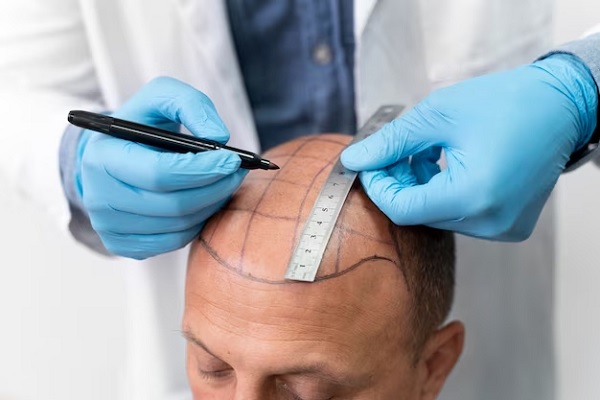
When combating hair loss, it is normal to consider the pros and cons of hair transplant, especially as more people explore permanent solutions. Hair transplantation is a surgical procedure that moves hair follicles from one part of the body to another, typically from the back of the scalp to the front or top of the scalp. This technique offers a long-term solution, particularly for those who have tried other treatments without success. It has become a popular option for those seeking noticeable results, especially after viewing impressive hair transplant before and after photos.
During a hair transplant, a surgeon will remove hair follicles from the donor site, which is usually the side or back of the head. The surgeon will then make tiny holes in the recipient site, which is the area of the scalp where the hair is being transplanted. Each follicle is carefully inserted to ensure natural growth patterns are maintained, especially in procedures like the FUE hair transplant, which is known for its precision and minimal scarring.
While understanding how does a hair transplant work is essential, it is equally important to weigh the financial commitment involved. Many patients are surprised when they first learn about hair transplant expenses, as costs can vary significantly depending on the clinic, location, and technique used. This investment, however, is often justified by the long-lasting and natural-looking results that surgery can provide.
In conclusion, the pros and cons of hair transplant must be evaluated carefully to make an informed decision. With modern techniques, improved success rates, and realistic expectations, many people find the procedure life-changing. If you’re considering this option, take the time to research, consult qualified professionals, and look at patients’ results to determine if it’s the right choice for you.
What are the pros and cons of hair transplant?
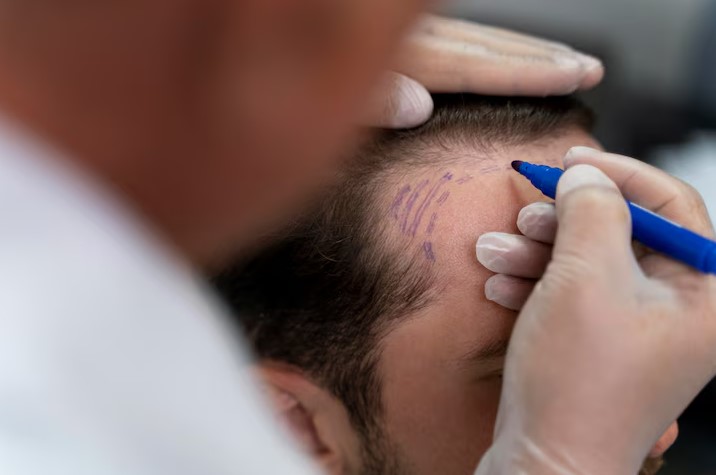
The pros and cons of hair transplant treatments continue to be a key consideration for those seeking a lasting solution to hair loss. While this procedure can significantly improve confidence and appearance, it’s essential to understand both its benefits and limitations before committing. These factors help set realistic expectations and determine whether it’s the right choice for your individual needs.
In addition to its aesthetic outcomes, hair transplant surgery also involves certain financial and medical aspects that are important to evaluate. Costs can vary greatly depending on location, clinic reputation, and the extent of the procedure. Below, we outline the primary pros and cons of hair transplant surgery to help you make an informed decision.
Pros of hair transplant
The advantages of undergoing a hair transplant are numerous, ranging from long-term results to psychological benefits. Here are the most notable pros:
-
Permanent results: One of the most significant advantages of hair transplant surgery is that it provides a permanent solution to hair loss. The transplanted hair follicles are typically taken from areas of the scalp that are not susceptible to further hair loss, ensuring a lasting result.
-
Natural appearance: Hair transplants result in natural-looking hair growth because your own hair follicles are used. This eliminates concerns about the hair looking fake or unnatural.
-
Improved self-confidence: Restoring a full head of hair can boost self-esteem and confidence, helping individuals feel more comfortable in social and professional situations.
-
Minimal maintenance: Transplanted hair requires no special maintenance or care. You can wash, cut, and style it just like your natural hair.
-
Cost-effective long-term: While the initial cost of a hair transplant may be relatively high, it can be cost-effective in the long run compared to ongoing expenses for hair loss treatments and products. This long-term benefit offsets the upfront hair transplant expenses.
-
No need for medications: Hair transplant surgery eliminates the need for daily medications, such as topical creams or oral drugs, which some people find inconvenient or have side effects.
Cons of hair transplant
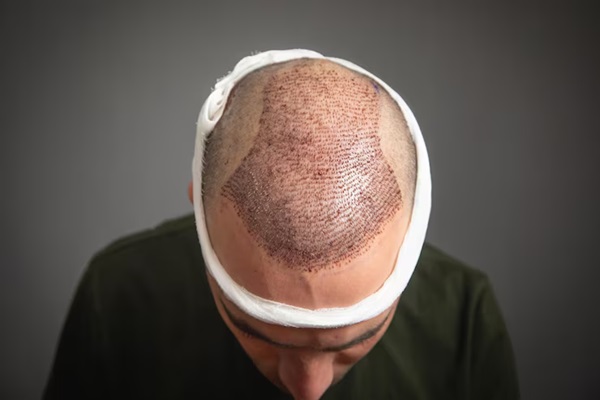
Despite its many benefits, hair transplant surgery also involves certain drawbacks and limitations. The following cons should be carefully considered:
-
Cost: Hair transplant surgery can be expensive, especially when multiple sessions are required to achieve desired results. The cost can vary widely depending on the clinic and the extent of the procedure.
-
Surgical risks: Like any surgery, hair transplant procedures come with inherent risks, such as infection, scarring, bleeding, and anesthesia-related complications.
-
Time-consuming: Hair transplant surgery is not a quick fix. It may require multiple sessions, and the full results may take several months to become apparent.
-
Limited donor area: The success of a hair transplant depends on the availability of healthy hair follicles for transplantation. If the donor area is limited, it may restrict the extent of the procedure.
-
Postoperative care: Patients must follow strict postoperative care instructions to ensure the success of the transplant. This includes avoiding certain activities and adhering to a prescribed care routine.
What are the types of hair transplant?
Understanding the pros and cons of hair transplant procedures is essential before undergoing any treatment. Knowing the available techniques helps you choose the right one. Hair transplants can vary depending on your hair type, the extent of hair loss, and the desired results. There are five primary options: FUT, FUE, DHI, robotic hair surgery, and scalp reduction. Each method has unique benefits and limitations.
When deciding, it’s important to ask yourself, “How does a hair transplant work?” Each technique involves harvesting hair follicles from a donor area and implanting them into thinning or bald zones. However, the approach to extraction and implantation differs. These distinctions affect everything from scarring and recovery to results and cost. By comparing all methods, you can better evaluate what fits your needs. Understanding the pros and cons of hair transplant treatments will guide your decision-making process.
1- Follicular Unit Transplantation
FUT, also called strip surgery, is a traditional yet widely used method. The surgeon removes a strip of skin from the donor area, typically the back or sides of the head. That skin is then dissected into individual follicular units under a microscope and implanted into the recipient site. This technique can be more invasive,e but is highly effective for patients needing a large number of grafts.
The main advantage of FUT is its ability to harvest a significant number of grafts in one session. This is ideal for extensive hair loss. While the procedure leaves a linear scar, it’s hidden beneath surrounding hair. FUT is also often more cost-effective than FUE due to quicker surgical times and fewer tools. If budget and graft quantity matter, FUT is worth considering.
2- Follicular Unit Extraction
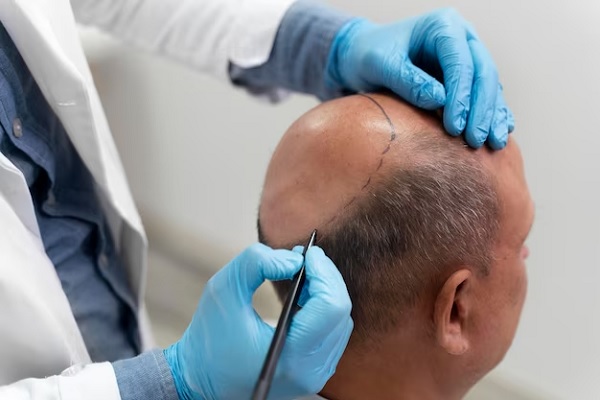
FUE is a newer and less invasive technique than FUT. Instead of removing a skin strip, the surgeon extracts individual follicles directly from the scalp using a micro punch. These follicles are then implanted into thinning areas. This method avoids removing any tissue and results in minimal discomfort and faster healing.
FUE’s key benefit is that it leaves no visible linear scar, making it ideal for those who prefer short hairstyles. It also allows for greater flexibility in donor area selection. Hair can be taken from other body areas, like the beard, chest, or legs, if scalp hair is limited. However, FUE generally takes longer and may be more expensive due to the advanced equipment and precision required.
3- Direct hair implantation (DHI)
DHI is an advanced form of FUE that uses a specialised tool called a DHI implanter pen. Hair follicles are harvested one by one from the donor site and implanted immediately into the recipient area without creating prior channels. This direct placement increases precision and enhances follicle survival.
The procedure reduces the time follicles remain outside the body, improving overall growth success. DHI also allows for a higher density and more natural hairline design. However, it requires significant expertise and is typically more costly. Ideal for small areas or detailed work, DHI is often selected by patients wanting minimal trauma and highly aesthetic results.
4- Robotic Hair Transplant
This technique involves using robotic systems, such as the ARTAS robot, to extract and sometimes implant hair follicles. The robot is guided by the surgeon but enhances accuracy, especially in harvesting grafts. It uses algorithms to select the best follicles while avoiding damage to existing hair.
Robotic systems reduce human error and can perform repetitive tasks with consistent quality. Although the technology is promising, not all clinics offer it, and it may be more expensive. Also, human involvement is still essential, especially for artistic elements like hairline design. Robotic hair transplants can be a great option for tech-savvy patients seeking precision.
5- Scalp reduction surgery
Scalp reduction is a surgical procedure that removes bald areas of the scalp and stretches hair-bearing sections to cover the gap. It’s generally used for patients with bald spots on the crown or back of the head. The remaining skin is pulled together and stitched, reducing visible baldness.
Scalp reduction offers a permanent solution for suitable candidates with limited donor hair for grafting. However, it’s more invasive and may result in scarring or a tight scalp feeling. This method is less common today due to modern transplant options, but may still benefit specific patients who cannot undergo FUT or FUE.
What to do before a hair transplant?
Pros and cons of hair transplant procedures often depend not just on the surgery itself, but on how well you prepare beforehand. A proper preoperative routine can significantly influence your recovery, the effectiveness of the procedure, and the long-term appearance of your results.
Below, we outline essential steps to follow before undergoing this life-changing treatment. These recommendations will help ensure optimal healing and better hair transplant before and after outcomes.
1- Choose a qualified surgeon
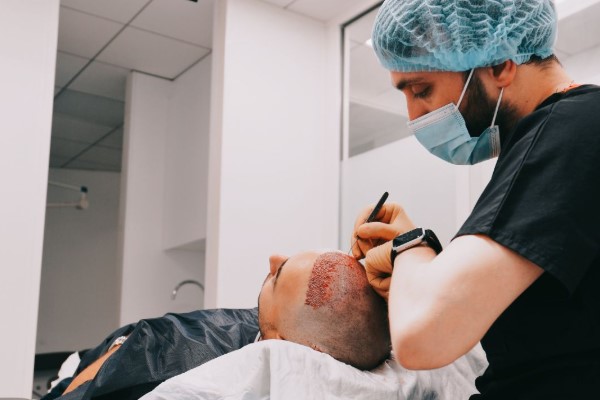
One of the most important decisions you’ll make is selecting an experienced and certified specialist. Hair transplant surgery requires precision, so it’s crucial to work with someone who has a strong reputation. Ask your primary care provider for trusted referrals, or explore online reviews and patient testimonials. Choosing a well-reviewed professional boosts your chances of natural-looking results.
2- Get a medical checkup
Before the procedure, you’ll need to undergo a thorough medical examination to assess your suitability for surgery. Doctors often request blood and urine tests, and sometimes an electrocardiogram (EKG), to ensure there are no underlying conditions. If anything unusual appears, your surgeon might postpone the procedure until you’re cleared for surgery. This evaluation helps reduce surgical risks and ensures better postoperative health.
3- Stop smoking
Smoking negatively impacts blood circulation, particularly in the scalp area, and can slow the healing process. That’s why it’s best to stop smoking at least two weeks before your scheduled procedure. Quitting not only benefits your transplant outcome but also improves overall cardiovascular health. Avoiding tobacco helps your body recover faster and strengthens follicle survival.
4- Avoid certain medications
Some drugs—such as blood thinners, aspirin, or even certain herbal supplements—can increase your risk of bleeding during surgery. Your doctor will provide a detailed list of substances to avoid and may suggest safe alternatives if necessary. Always disclose everything you’re taking to avoid complications. Following medication advice reduces the chance of side effects or extended recovery.
5- Wash your hair
On the day of your hair transplant, clean your scalp using a gentle shampoo and conditioner. Do not apply any styling products such as gel, mousse, or hairspray afterward. Keeping your scalp free of residue makes it easier for the surgeon to work and reduces infection risk. A clean scalp leads to better graft placement and overall hygiene.
6- Wear comfortable clothing
Dress in loose, comfortable clothes on the day of surgery, especially those that don’t require pulling over your head. This helps prevent contact with your scalp after the procedure. Button-up or zip-up shirts are ideal. Easy-to-remove clothing protects the treated area from unnecessary friction or trauma.
7- Eat a healthy diet
A balanced diet rich in nutrients supports faster recovery and strengthens your immune system. Prioritize whole foods like vegetables, fruits, lean proteins, and whole grains. Avoid processed or sugary meals that can cause inflammation. Healthy eating helps your body generate new tissue and fuels healing.
8- Get enough sleep
Aim for 7–8 hours of uninterrupted sleep in the days leading up to the procedure. Your body restores and repairs itself during sleep, which is essential for surgical recovery. Avoid screens before bed and keep a consistent sleep schedule. Good sleep prepares your body for smoother post-surgery healing.
9- Manage stress
High stress levels can slow recovery and weaken your immune system. Use relaxation techniques like deep breathing, meditation, light exercise, or yoga to stay calm. You might also consider talking to a therapist or coach. Reducing stress promotes emotional balance and better surgical outcomes.
What to consider before a hair transplant?
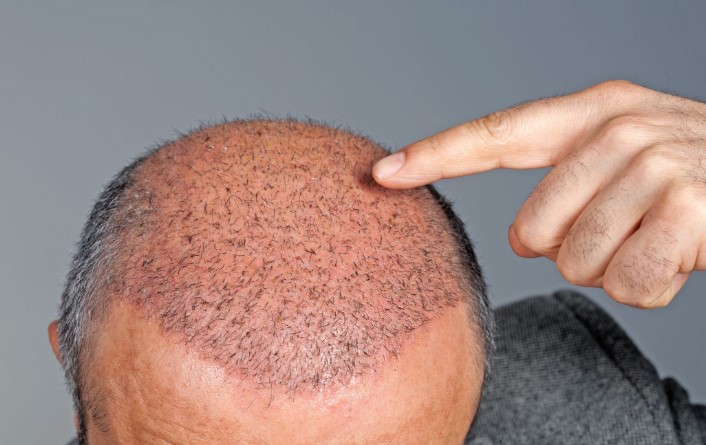
When exploring the pros and cons of hair transplant procedures, it’s essential to weigh various personal and medical factors. This ensures not only realistic expectations but also a successful outcome. Understanding your options and assessing your readiness will help guide your decision. Below, we outline the key points you should consider before undergoing surgery.
1- Your expectations
It’s essential to have realistic goals about the outcome. A hair transplant can enhance your appearance and self-confidence, but it won’t restore your original hair density. That said, modern techniques can achieve natural-looking results. Many patients find the improvement in aesthetics worth the investment, as long as they accept the procedure’s limitations.
2- Your age
Your age plays a major role in determining your suitability for surgery. Typically, surgeons recommend waiting until you’re at least 25. That’s because hair loss patterns are usually more stable by then, allowing for a more effective and long-lasting result. Getting a transplant too early may result in uneven hair patterns in the future.
3- Your overall health
Being in good health is crucial for safe surgery and recovery. If you suffer from conditions like diabetes, heart disease, or autoimmune disorders, consult your physician before committing. These health issues can impact healing time and overall success. A thorough medical check is a must before considering a hair transplant or any surgical method.
4- Your budget
The cost of a hair transplant can vary greatly. Pricing depends on the number of grafts, the clinic’s location, and the surgeon’s expertise. While FUE tends to be more expensive than FUT, it also offers quicker healing and less visible scarring. Be sure to include follow-up care and medications in your financial planning.
5- The surgeon’s experience
Choosing the right specialist can make all the difference. Look for a board-certified surgeon with experience specifically in FUE or FUT techniques. Research online reviews, patient testimonials, and before-and-after photos. A skilled surgeon can reduce complications and deliver better aesthetic outcomes.
6- Your hair type
The texture of your hair affects how successful the transplant will be. Straight or slightly wavy hair usually yields better visual density post-transplant. Those with very curly or afro-textured hair may face more challenges, although skilled surgeons can still achieve excellent results using advanced methods tailored to your hair type.
7- The type of hair transplant surgery
There are two main types: FUT and FUE hair transplant. FUT is more invasive but allows for more grafts in one session. FUE is less invasive and leaves minimal scarring but may need several sessions. Your surgeon will help you choose the best method depending on your goals and hair loss stage.
8- The recovery time
While minimally invasive, hair transplants still require a healing period. Most patients take 2 to 5 days off work post-surgery. Swelling, redness, and minor discomfort are common. It can take several weeks before new hair starts to grow, and final results are usually visible after 6 to 12 months.
9- The risks of surgery
All surgical procedures carry some risk. Infections, scarring, and excessive bleeding are uncommon but possible. Choosing an experienced clinic and following all postoperative instructions can significantly reduce these risks. Discuss every concern with your doctor before proceeding.
Conclusion
Pros and cons of hair transplant—after delving into the various procedures, benefits, and drawbacks, it’s clear that a hair transplant can offer long-lasting, natural-looking results and a substantial boost in confidence. With options like FUT, FUE, and DHI, you can choose the technique that aligns best with your goals, whether prioritising a larger graft yield, minimal scarring, or a quicker recovery.
However, it’s equally important to weigh the cons. The procedure can be costly, may require multiple sessions, and isn’t without surgical risks such as infection or temporary scarring. The success of the transplant also depends heavily on your donor area and your adherence to post-operative care, so realistic expectations and diligent planning are vital.
As with any medical treatment, prospective patients should consider their age, overall health, hair type, budget, and their surgeon’s recommendations. Preparing thoroughly—both mentally and physically—can enhance outcomes and reduce the chance of complications, ensuring the investment pays dividends in self-esteem and appearance.
In summary, the pros and cons of hair transplant should be carefully balanced before making a decision. If, after considering both sides, you feel a hair transplant is right for you, we warmly invite you to visit the Capilclinic website to explore your options in detail, obtain a personalised assessment, and take the first step towards regaining your hair and confidence.


Responsable – CAPIL SOLUTIONS. S.L
*Términos y condiciones
Finalidad – Dar respuesta a las solicitudes de información, y poder enviarle nuestras publicaciones, promociones de productos y/o servicios, gestionar los comentarios en el blog
Derechos Arco - Acceder, rectificar y suprimir los datos, así como otros derechos, como se explica en la información adicional.
info@capilclinic.us
Legitimación – Consentimiento
Destinatarios – No se cederán datos a terceros salvo obligación legal
Política de privacidad – Puede consultar nuestra política de privacidad aquí
*Política de privacidad