

Divergent viewpoints once existed regarding the choice of maintaining or removing pubic hair. In the past, retaining hair in intimate areas was considered unsophisticated. However, with the evolution of modern attitudes that value individual preferences, people now view pubic hair as the hair of the head. Should you be inclined towards embracing this, it’s crucial to recognize that transitioning from a smooth to a fuller state isn’t without challenges.
Potential issues include irritations, ingrown hairs, and chafing. Yet, as the re-growth process concludes, acceptance of this style often follows. For those contemplating the revival of pubic hair and seeking ways to enhance its growth, this article serves as an ideal resource. We aim to elucidate the reasons behind regrowing pubic hair, followed by practical steps to facilitate its resurgence. Stay attentive to gain valuable insights on this subject.
Causes of Pubic Hair Loss
Also known as pubic alopecia, it can be attributed to various factors that impact hair growth in the genital region. Understanding the potential causes and adopting appropriate care measures can help manage this condition effectively.
- Natural Aging: Pubic hair loss can be a natural consequence of aging. As individuals age, changes in hormone levels may affect hair growth patterns, leading to thinning or loss of pubic hair.
- Hormonal Changes: Hormonal fluctuations, such as those occurring during pregnancy, menopause, or due to certain medical conditions, can contribute to pubic hair loss. Hormonal imbalances can disrupt the normal growth cycle of hair.
- Medical Conditions: Various health conditions, including autoimmune disorders and alopecia areata, can affect pubic hair. Additionally, medical treatments such as chemotherapy may cause temporary or permanent hair loss, including in the pubic region.
- Trichotillomania: Trichotillomania, a psychological condition characterized by the urge to pull out one’s hair, can extend to the pubic area. Continuous pulling may result in noticeable pubic hair loss.
- Friction and Irritation: Excessive friction from tight clothing or continuous shaving and waxing can irritate the hair follicles, leading to pubic hair thinning or loss. It’s essential to adopt grooming practices that minimize irritation.
- Nutritional Deficiencies: Poor nutrition, particularly deficiencies in essential vitamins and minerals, can impact overall hair health. A balanced diet plays a crucial role in maintaining healthy hair growth.
Strategies for Managing Pubic Hair Loss
- Thorough Consultation with Healthcare Professionals: When confronted with concerns about hair loss, it is paramount to initiate a complete consultation with healthcare professionals. Specifically, consulting dermatologists can be highly beneficial. Moreover, a detailed examination can help pinpoint the specific causes of hair loss. This process paves the way for tailored treatment options based on individual circumstances.
- Customized Grooming Practices: Adopting a nuanced approach to grooming is essential in managing pubic hair loss. In addition to avoiding frequent shaving or waxing, consider personalized grooming practices. These practices should suit your skin type and sensitivities. For example, this might involve using hypoallergenic products. Furthermore, you could opt for alternative hair removal methods that minimize irritation.
- Precision in Nutritional Support: Elevating the discussion on managing pubic hair loss includes emphasizing the importance of a balanced diet. Beyond a generic mention of nutrients, it is essential to delve into specifics. For instance, highlight the significance of proteins, iron, zinc, and vitamins like A and E. Moreover, it offers dietary suggestions to enhance hair health. For comprehensive hair health, explore incorporating foods rich in these elements.
- In-Depth Hormonal Evaluation: Delving into cases linked to hormonal imbalances necessitates a thorough hormonal evaluation. Elaborate on the types of hormonal assessments that may be conducted and explain how the results can inform targeted interventions. This may involve hormone replacement therapies or lifestyle adjustments to restore hormonal equilibrium.
- Holistic Psychological Support: Stress the importance of holistic psychological support, recognizing the intricate interplay between psychological well-being and pubic hair health. Go beyond a general reference to stress and trichotillomania; provide insights into specific therapeutic approaches, counseling techniques, or support groups that individuals can explore to address the psychological aspects contributing to pubic hair loss.
What Advantages Accompany the Revival of Pubic Hair?
Inquiring about the potential advantages of retaining pubic hair often reveals a widespread lack of awareness. Many individuals perceive pubic hair merely as an incidental outcome of puberty, neglecting its multifaceted purposes. Contrary to its superficial portrayal as arbitrary hair growth, serves distinctive functions, encompassing:
Protective Barrier Against Skin Irritation
Persistent itching in the pubic region, stemming from friction, shaving, allergies, or follicle damage, can lead to micro-tears. Left unattended, these tears may escalate into skin irritation. The regrowth of pubic hair emerges as a protective mechanism, preventing such irritation caused by the absence of hair in this sensitive area.
Temperature Regulation and Sweat Reduction
Sweating is primarily induced by heat. Unfortunately, heightened temperatures prove unfavorable for the pubic region, prompting excessive sweating that can result in dampness and undesirable odors. Here, the intricate role of pubic hair unfolds—it acts as a natural thermostat, regulating the region’s temperature by preserving warmth. This, in turn, minimizes sweat production to a significant extent, fostering a more comfortable and balanced environment.
Shielding the Intimate Zone Against Infections
The intricate design of pubic hair extends beyond aesthetics. It functions as a vital defense mechanism. Acting as a physical barrier, it plays a crucial role in thwarting the entry of dirt and infectious microorganisms into private areas. This safeguarding function becomes particularly significant. For instance, it helps prevent a spectrum of infections, ranging from everyday issues like urinary tract infections and yeast infections to more severe concerns like sexually transmitted infections.
On the other hand, the absence of pubic hair eliminates this natural shield. Consequently, contaminants can enter more directly. Thus, the significance of this protective layer becomes evident when considering the maintenance of a clean area. Regular washing is essential for personal hygiene and sustaining a natural defense against potential health risks.
Mitigating Challenges Associated with Shaving
Shaving the pubic area, if not executed precisely, can introduce many challenges. Beyond the cosmetic aspect, individuals may encounter issues such as razor cuts, painful bumps, persistent blackheads, and uncomfortable itchiness. Allowing pubic hair to grow naturally is a practical solution to mitigate these concerns. Contrary to the prevailing notion that a hair-free state is inherently more hygienic, embracing natural growth aligns with the body’s protective mechanisms.
This perspective challenges the conventional belief that removing pubic hair equals better hygiene. It emphasizes the practicality of avoiding the associated challenges. For example, a proactive approach is essential, whether navigating a transition from a smooth appearance to a more natural one or seeking comprehensive strategies to enhance overall quality and health. Specifically, this involves encouraging regrowth from the initial stages. Consequently, this addresses the immediate challenges associated with shaving and promotes the long-term well-being of the intimate area.
Effective Care Routines to Regrow Pubic Hair
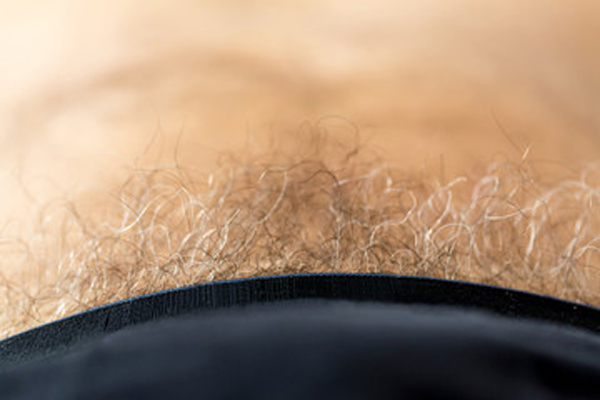
Exploring the intricacies of fostering a more robust and vibrant regrowth of pubic hair involves a nuanced understanding of essential practices:
Trimming Ritual
Commencing the journey towards enhanced hair quality or improved health necessitates a meticulous trimming process, reducing hair length to its bare minimum. This foundational step, however, comes with potential pitfalls such as cuts, itchiness, and blackheads. To navigate these challenges, it’s imperative to apply shaving cream before trimming. Alternatively, an effective exfoliant presents a seamless solution for hassle-free hair removal.
Cleansing Routine
Recognizing the paramount importance of cleanliness in any grooming routine, regular washing emerges as a linchpin in regrowth. Optimal results are achieved by utilizing room-temperature water and a fragrant soap infused with wholesome ingredients.
A cautious approach is recommended concerning soaps laden with harsh chemicals that may introduce complications. Those opting for a sponge should glide gently across the surface. Alternatively, one can lather the soap in one’s palms before applying it to the designated area.
Incorporating Essential Oils
In an unexpected twist, essential oils emerge as pivotal players in pursuing robust and healthy pubic hair regrowth. Renowned for their efficacy in stimulating growth and maintaining hair softness, these oils warrant serious consideration. Their inclusion in the grooming regimen not only facilitates growth but also prevents discomfort associated with thick hair, mitigating the risk of poking and piercing sensations.
Cultivate a Consistent Routine
It’s crucial to transform these practices into a steadfast routine to achieve desired results. Avoid sporadic starts and stops, committing instead to regularly adhering to these care tips for maintaining a neat and healthy pubic hair regimen. Over time, this commitment seamlessly integrates into your daily habits, becoming second nature.
Facilitate Optimal Airflow

The pubic area’s anatomical location often hampers access to the same level of ventilation enjoyed by other body parts. It’s imperative not to exacerbate this limitation by selecting underwear that obstructs continuous airflow. Opt for thin undergarments crafted from 100% cotton, as cotton materials typically feature microscopic spaces that promote unhindered air permeation through the skin, ensuring a more breathable environment.
Key Takeaways
Whether the choice is to shave off or retain pubic hair, both options are acceptable. The pivotal factor remains the dedication to a comprehensive and health-oriented lifestyle that positively influences all facets of one’s body, fostering overall well-being.


any DIY ways to grow more pubic hairs