


The skin that covers our head is a unique canvas, distinct from the rest of our body. Not only does it have an abundant variety of hair follicles, but it is also home to a greater number of sebaceous glands. These tiny glands turn the scalp into a haven for microorganisms, which can cause a whole host of problems, so it is necessary to consider how the scalp changes and treatments to keep up with it.
Before we begin, it should be noted that since inspecting the crown or back of our own heads is an arduous task, it is highly recommended to consult a board-certified dermatologist for a thorough evaluation of scalp changes and treatments.
Why are the scalp changes and treatments so significant?
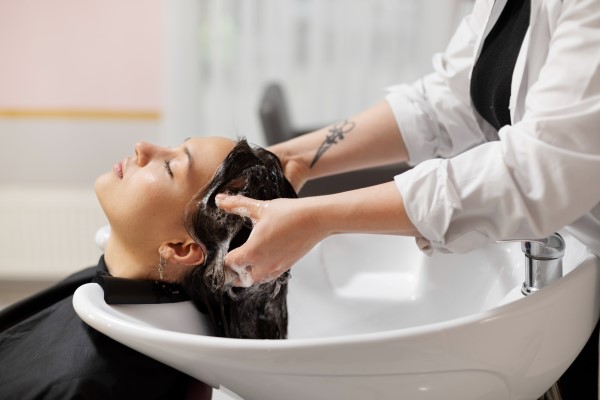
The scalp’s role in hair health makes its changes and treatments incredibly significant. Since the scalp acts as the “soil” from which hair grows, keeping it in ideal condition is critical for hair to thrive. Any imbalances or issues with the scalp can directly impact what grows above the surface.
- Nutrient delivery: As we discussed, the scalp provides hair with blood supply and nourishment through its extensive network of vessels and glands. Improving scalp circulation and removing barriers like buildup allows optimal nutrient delivery to follicles.
- pH balance: Maintaining the scalp’s natural acidic pH is core to a healthy environment where follicles can function properly. pH-balancing treatments help regulate this.
- Exfoliation: Removing dead skin cells and debris prevents clogs in follicles and promotes scalp respiration/circulation, which supports hair’s growth phases.
- Soothes irritation: Conditions like dandruff or psoriasis cause inflammation that disrupts the scalp. Treatments targeting irritation soothingly calm the scalp terrain.
- Stimulates follicles: Some ingredients, like essential oils, can stimulate follicles when massaged into the scalp. This may promote thickness or new growth over time.
Psoriasis
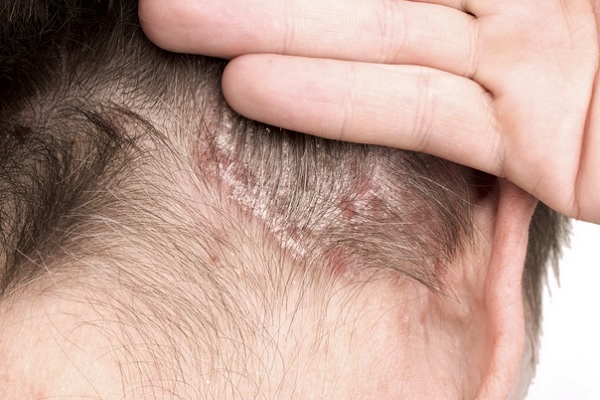
Only 1 to 2% of the general population is affected by psoriasis, which can onset at any age and impact anyone. While this condition can affect various parts of the body, the National Psoriasis Foundation reports that approximately 45% to 56% of individuals with psoriasis experience it on their scalp.
Scalp psoriasis is particularly challenging to treat. Unlike dandruff, which appears oily, scalp psoriasis is characterized by dry, scaly patches that can be itchy and uncomfortable. It may even bleed or form crusts. Visual signs of scalp psoriasis include pink plaques with a silvery sheen. In individuals with darker skin tones, these plaques may appear as dark red or purplish spots.
Scalp changes and treatments
- The primary approach to managing this condition involves using topical steroids to control the inflammatory response, which is a commonly used treatment method.
- For more stubborn cases, biologic injections are an option that helps suppress the triggers responsible for flare-ups.
- When specific areas do not respond to other treatments, the excimer laser can effectively target those individual spots.
- Experts also emphasize the potential benefits of adopting a gentler hair care routine.
- Reducing the frequency of shampooing can help decrease the occurrence of skin rashes, and applying therapeutic oil creams can significantly alleviate symptoms.
Seborrheic Dermatitis
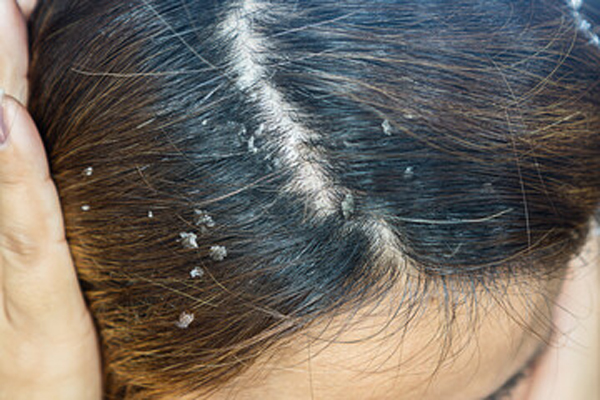
Seborrheic dermatitis, often called “seb derm” by dermatologists, is one of the most common scalp conditions. Infants experience it as cradle caps, while adults develop red, itchy patches that are often accompanied by greasy scales or dandruff. This non-contagious condition tends to persist, although it varies in intensity, especially when triggered by factors like stress or seasonal changes.
Symptoms typically worsen in winter and early spring, making management more challenging during these months. Unlike dandruff, seb derm can spread beyond the scalp to areas such as the face, nose, eyebrows, ears, and chest. Recognizing these patterns helps individuals better understand and address the condition.
Scalp changes and treatments
- An anti-yeast shampoo with a potent prescription, ketoconazole, can provide relief. However, caution must be exercised as it can cause excessive dryness to the hair.
- To maximize its effectiveness, it is recommended that the shampoo be directly applied to the scalp, allowing it to remain for 5 to 10 minutes before wetting the hair.
- Subsequently, focus on lathering only the scalp area, followed by thorough rinsing.
- To counteract the potential dryness induced by prescription shampoos, particularly for individuals with coily hair types, it is advisable to utilize a moisturizing shampoo and conditioner specifically on the hair shaft.
- In cases where the shampoo alone fails to yield satisfactory results, or when dealing with densely compacted scales, the dermatologist may prescribe a topical steroid, either as an alternative or in combination with the shampoo.
Folliculitis
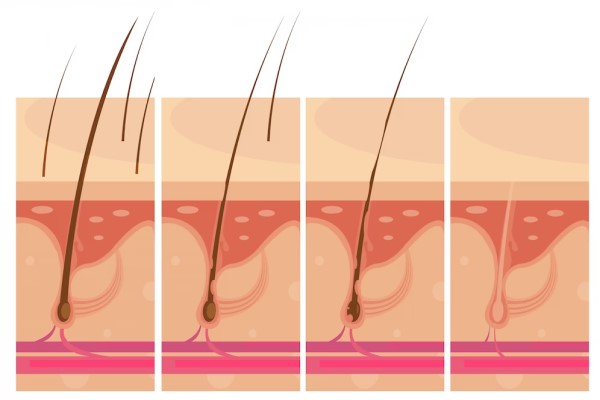
Folliculitis is a common scalp condition marked by the inflammation of hair follicles. This inflammation appears as clusters of tiny pustules across the scalp, resembling acne. These bumps can spread and occasionally become tender, causing discomfort.
They may take on a dark red color or display a light purple edge on darker skin tones, making them more visible. The appearance and spread of these pustules often lead to itchiness or a burning sensation, which makes prompt treatment essential to prevent further irritation.
Scalp changes and treatments
- Treating folliculitis involves identifying the underlying cause, often done through a culture test to detect any bacterial infection.
- If bacteria are present, your healthcare provider may prescribe topical or oral antibiotics to target and reduce the infection.
- When there’s no infectious agent, anti-inflammatory medications, such as topical steroids, help calm the inflammation and provide relief.
- Regular scalp hygiene, gentle cleansing products, and avoiding scalp irritants can also help manage and prevent folliculitis flare-ups.
Hair Loss
Hair loss can result from a variety of complex factors, including genetics, hormonal changes, medical conditions, and environmental influences. It is essential to understand that identifying the root cause of hair loss often requires a thorough physical examination by a qualified healthcare provider.
During this examination, your doctor may inquire about your medical history, assess your scalp and hair health, and possibly recommend lab tests. This way, they rule out any underlying conditions such as thyroid disorders, autoimmune diseases, or nutritional deficiencies. Recognizing these underlying issues is crucial. These conditions may need specific treatments or lifestyle adjustments to effectively address both hair loss and its underlying causes.
Scalp changes and treatments
- Consider using a topical solution specifically designed to enhance the thickness and fullness of existing hair. These products often contain active ingredients such as minoxidil, which has been shown to stimulate hair follicles and promote healthier hair growth.
- Explore the option of oral medications that can effectively block androgen hormones like dihydrotestosterone (DHT). These hormones are known to contribute to hair thinning and loss.
- Maintaining a well-balanced diet rich in vitamins, minerals, and proteins is vital for supporting overall hair health. Foods high in omega-3 fatty acids, antioxidants, and vitamins A, C, D, and E can nourish hair follicles and promote hair vitality.
- It’s wise to discuss with a healthcare professional any potential nutritional deficiencies that may impact hair health, particularly in regard to iron, biotin, and other specific vitamins. A simple blood test can help identify deficiencies.
- Taking regular breaks from excessive hairstyling practices and chemical treatments is important to prevent damage. Embracing natural hairstyles can not only give your hair a much-needed rest but can also help strengthen hair over time.
Cysts
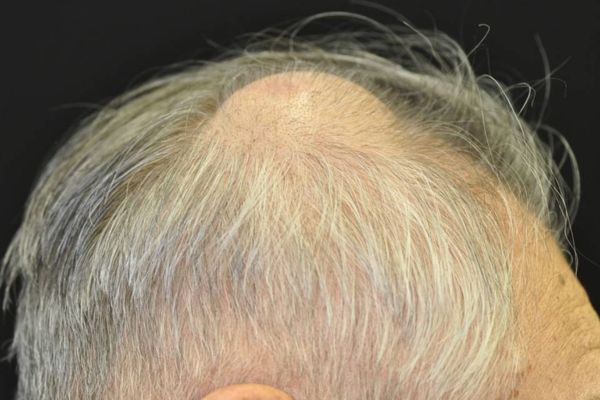
Cysts can form on the skin, including the scalp, similarly to how they develop in other organs of the body. Scalp cysts are relatively common and typically characterized by their protruding appearance. These cysts often look like small bumps, resembling marbles or grapes, and can be easily detected when you run a comb or brush through your hair.
While many scalp cysts are benign and may not require treatment, it’s important to monitor them for any changes. If you notice a bump that causes discomfort, becomes painful, or changes in size or color, it’s advisable to consult with a dermatologist. A dermatologist can provide a thorough examination, determine the nature of the cyst, and recommend appropriate treatment options if necessary.
Scalp changes and treatments
- Leave them be. This remains a convenient choice if the scalp cysts pose no discomfort, as they are predominantly benign and typically devoid of concern.
- In certain instances, scalp cysts may become infected or irritated, leading to pain. Incision and drainage can alleviate the symptoms, although it does not guarantee complete cyst removal.
- Take some antibiotics. They can provide relief for symptoms associated with an inflamed or infected cyst.
- Opt for surgical removal by a qualified medical professional. Cysts encapsulate a sac filled with fluid, and unless the sac is entirely extracted, the cyst has the potential to recur.
NOTE: Surgical intervention is the sole effective method to eradicate the cyst completely. You will prevent future recurrences.
Faq’s
What causes changes in the scalp?
There are a number of factors that can contribute to changes in the scalp, including hormonal fluctuations, stress, weather conditions, dietary habits, and the accumulation of product residue. Medical conditions such as dandruff, psoriasis, or dermatitis can also impact the appearance and feel of the scalp.
How can I tell if my scalp needs treatment?
Typical indications include persistent itching, dryness, flaking, redness, or unusual oiliness. If you experience any of these symptoms or discomfort, it may be advisable to consult a specialist to explore potential treatment options.
What are some effective treatments for a dry scalp?
Treatment options for dry scalps are moisturizing shampoos, deep conditioning treatments, and oils such as jojoba, coconut, or argan oil. In cases of more severe dryness, dermatologists may suggest medicated shampoos or in-office treatments.
Are there specific treatments for oily scalp issues?
Yes, treatments for oily scalps often include clarifying shampoos, scalp exfoliation, and sometimes dietary adjustments. Medical treatments are also available if the oiliness is due to a condition like seborrheic dermatitis.
Conclusion
Continuous care of the scalp is essential for maintaining optimal hair health. Scalp changes and treatments are crucial, as the scalp often undergoes uncomfortable conditions that can negatively impact appearance and self-esteem. However, these issues are manageable with the right care.
While some scalp problems resolve naturally, others need medical guidance and customized treatments. These may include prescription medications, in-office procedures, or lifestyle adjustments. Remember to care for the entire hair system, from root to tip, through professional treatments and moisturizing routines tailored to your hair’s unique needs.


Responsable – CAPIL SOLUTIONS. S.L
*Términos y condiciones
Finalidad – Dar respuesta a las solicitudes de información, y poder enviarle nuestras publicaciones, promociones de productos y/o servicios, gestionar los comentarios en el blog
Derechos Arco - Acceder, rectificar y suprimir los datos, así como otros derechos, como se explica en la información adicional.
info@capilclinic.us
Legitimación – Consentimiento
Destinatarios – No se cederán datos a terceros salvo obligación legal
Política de privacidad – Puede consultar nuestra política de privacidad aquí
*Política de privacidad