


Shock Loss after hair transplant is a temporary condition where patients experience sudden hair shedding after surgery. Though concerning, it’s a natural biological response to surgical trauma and typically resolves on its own. It can happen following both FUT and FUE hair transplant and is not a sign of failure. Most individuals regrow the lost hair within a few months. To ease concerns, hair transplant before and after comparisons show consistent improvements over time.
Clinics with strong reputations in hair transplant surgery in Turkey reviews often offer top-tier post-op support to reduce risks like shock loss. Choosing a reliable clinic ensures proper guidance and realistic expectations throughout the process. With careful aftercare, patients see complete recovery and successful regrowth. It’s also important to factor in hair transplant cost for comprehensive planning. Understanding this phase prepares patients emotionally and helps maintain a calm mindset during the recovery process.
What exactly is shock loss after hair transplant?
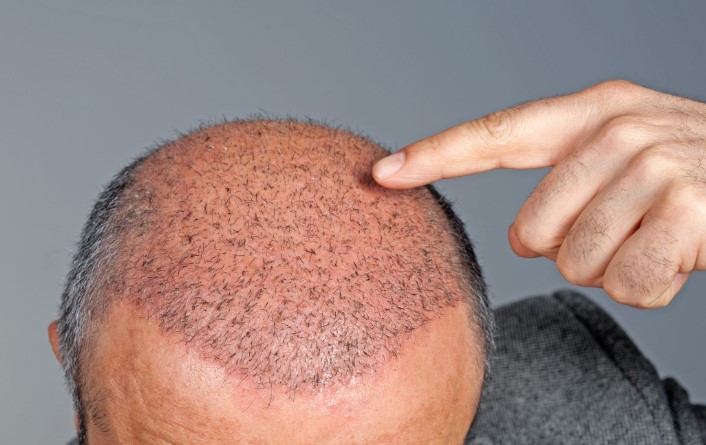
Shock Loss after hair transplant refers to the unexpected and temporary shedding of hair in areas affected by the transplant procedure. This phenomenon can impact both donor and recipient regions, often causing concern among patients unfamiliar with this common post-operative reaction. One key point to remember is that shock loss is usually temporary and part of the natural healing process.
The degree of loss varies depending on factors such as scalp sensitivity, healing capacity, and surgical technique. For example, individuals undergoing a FUE hair transplant might notice some level of Shock Loss, particularly if the extraction involves densely populated zones. The recovery period for donor-area shock loss can range from a few weeks to a couple of months. Hair typically regrows as the scalp heals and inflammation subsides.
1- Shock Loss after hair transplant in the Donor area
This specific type of shedding, also known as donor hair effluvium, appears in defined zones at the sides and back of the scalp. In procedures involving Follicular Unit Transplantation (FUT), the shock loss often affects regions located directly above and below the linear incision line. Meanwhile, FUE procedures involve tiny punch extractions that can cause shedding across the entire donor zone, not just isolated areas.
Importantly, the shedding in the donor area is temporary, and hair regrowth typically resumes within three to four months after surgery. The severity can range from mild thinning to more noticeable hair loss. However, patients should not be discouraged, as complete regrowth is the norm, not the exception.
2- Shock Loss after hair transplant in the Recipient area

Hair loss in the recipient zone is frequently attributed to telogen effluvium but can also result from anagen effluvium, referred to medically as recipient-site effluvium. This type of shock loss affects both newly implanted grafts and existing native hairs. It occurs when trauma to the scalp during surgery disrupts hair in the active (anagen) growth phase, leading to shedding within days or weeks after the procedure. Full regrowth typically takes place over three to six months.
Anagen effluvium is more common in individuals with thinner hair and is especially prevalent among women. It can cause rapid shedding, even when the affected hair is nearing the end of its growth cycle. Unlike donor-site loss, recipient-site effluvium may lead to permanent hair loss, particularly when hair follicles sustain significant trauma.
That said, skilled surgeons take great care during implantation to minimise risks and maintain the density and natural appearance of the hairline. Their meticulous technique ensures no irregular patches are left behind, preserving the visual harmony of the recipient area.Hair transplant before and after images often highlight this recovery timeline, showing that shock loss is not indicative of surgical failure.
Why does Shock Loss occur?
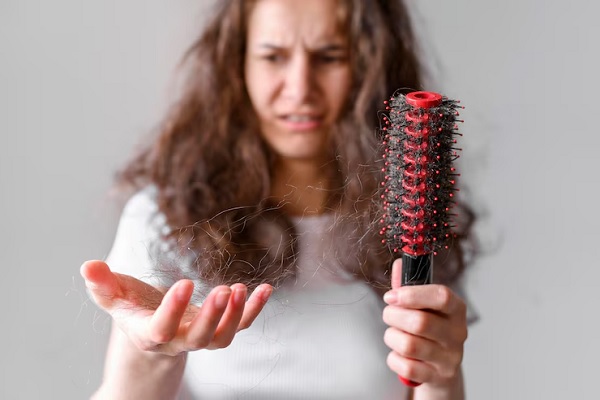
Shock loss, a temporary hair loss phenomenon following a hair transplant, can occur for various reasons. The primary contributing factors include:
- Graft retrieval: The process of extracting grafts from the patient during a transplant can lead to shock loss. Separating the graft from its blood supply may temporarily disrupt its normal growth cycle.
- Follicular placement: Introducing hair follicles into a new environment during transplantation is a crucial factor. The shock loss may be a response to the adjustment period as the follicles acclimate to their changed surroundings.
- Trauma to existing hair: Surrounding existing hair may experience trauma during the transplant procedure, triggering temporary shedding. This trauma, although temporary, is a common aspect of the shock loss phenomenon.
- Post-surgery stress: The entire transplantation process, including the surgical procedure and healing, can induce stress on the scalp. This stress may contribute to shock loss as the scalp responds to the changes.
- Individual susceptibility: Each individual may respond differently to the trauma and changes associated with a hair transplant. Factors such as genetic predisposition and overall health can influence the likelihood and extent of shock loss.
Understanding these reasons can help individuals undergoing a hair transplant better anticipate and manage the temporary hair loss phase, ultimately leading to successful long-term results.
What about swelling and inflammation?
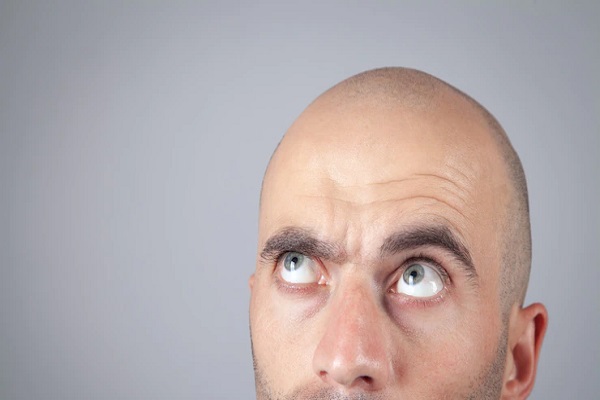
When a surgeon lacks experience, patients undergoing hair transplant procedures might encounter unforeseen hair loss afterward. The potential causes for this phenomenon delve into various aspects of the surgical process:
Vascular damage
Inexperienced surgeons may inadvertently damage blood arteries supplying both the recipient and donor sites. Such damage can induce shock and subsequent hair loss in the patient.
Stress induced by hair transplant
The stress associated with the hair transplant procedure itself can have adverse effects, leading to unexpected hair loss in some cases. This stress factor underscores the importance of surgical finesse and expertise.
Tumescent anesthesia overreliance
Excessive reliance on tumescent anesthesia, a technique involving injecting a large volume of diluted anesthesia into the tissue, may contribute to complications. This overuse can potentially exacerbate the risk of post-surgical hair loss.
Hair graft stacking
A closely and densely stacked arrangement of hair grafts during transplantation can lead to complications. This stacking method, if not meticulously executed, may negatively impact the overall success of the procedure, possibly resulting in hair loss.
Excessive harvesting in Donor area
Overharvesting in the donor region, where hair follicles are extracted, is another potential factor. This aggressive approach may strain the donor area, leading to unexpected hair loss as a consequence.
Skin tension during FUT procedure
In the case of Follicular Unit Transplantation (FUT), the tension on the skin in the donor region plays a crucial role. If not managed properly, this tension can contribute to post-surgical hair loss. A primary factor contributing to this situation involves a reduction in blood circulation to the areas where surgery takes place. This reduction can stem from various factors, including overly aggressive tissue extraction, densely packing the surgical sites, errors in administering anesthesia, or tension induced by sutures.
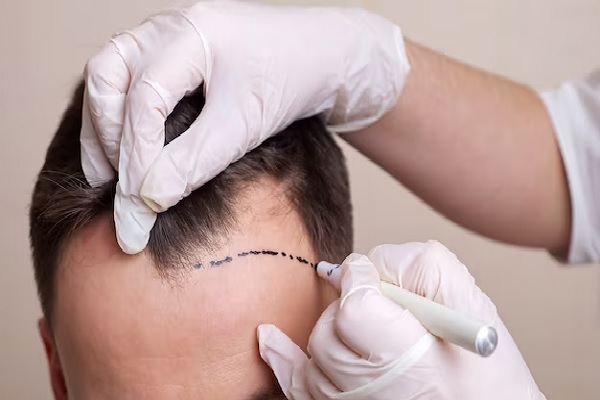
These surgical errors lead to multiple consequences, with shock loss being a significant concern. The patient may experience lasting damage to the area where donor tissue is taken. Additionally, there’s a potential for necrosis to develop at the location where the recipient receives the graft.
How to avoid Shock Loss after a hair transplant?
Shock Loss is a temporary condition that may alarm patients, but with the right precautions, its impact can be significantly reduced. Preventing this abrupt hair shedding is particularly challenging due to the delicate nature of the procedure and the body’s response to surgical trauma. For this reason, it is essential to minimize physiological stress and prioritize overall well-being, especially during the critical recovery phase. Maintaining a strong immune system and ensuring proper nutrition are vital in supporting the body as it heals.
Proper hygiene and strict adherence to post-operative care instructions are key factors in minimizing complications and promoting a healthy recovery. It’s crucial to keep the scalp clean, gently wash as instructed by the surgeon, and avoid any contact that may irritate or damage the newly transplanted follicles. Additionally, choosing a reputable clinic that offers transparent feedback and consistent success stories—like those found in hair transplant surgery in Turkey reviews—can greatly improve the chances of a smooth post-op experience. These reviews often highlight patient satisfaction and clinic professionalism, which are essential when deciding on the right treatment provider.
Though complete prevention of Shock Loss after hair transplant may not always be achievable, several methods exist to stimulate regrowth and encourage follicle stability after shedding occurs. Among the most effective options is Platelet-Rich Plasma (PRP) therapy, which uses the patient’s own blood to isolate growth factors and improve follicular recovery. These growth proteins increase circulation and oxygen delivery, accelerating both healing and hair growth. This method is often paired with other supportive treatments to maximize regrowth potential and reduce inflammation.
To further enhance results, patients should incorporate healthy habits into their routine. Choose mild, sulfate-free shampoos and conditioners. Avoid heat-based styling tools, tight hairstyles, and chemical treatments that stress the hair shaft. Regularly massage the scalp to promote blood flow and reduce tension. With patience and consistent care, the risk of long-term hair loss can be lowered significantly, ensuring the success of your transplant.
Difference between Donor depletion and Shock Loss
Shock loss after a hair transplant and donor depletion—also known as overharvesting—are two distinct complications that may arise during recovery. Both can show similar symptoms like bald patches or reduced density, which often confuses patients. However, there’s one major difference: shock loss is temporary, while donor depletion is usually permanent and can affect long-term results.
After surgery, it’s common for the donor area to appear thinner than before. This change can lead patients to assume they’re dealing with shock loss, when the issue might actually be overharvesting. That’s why a professional evaluation is crucial. An experienced surgeon can examine the pattern and severity of the loss to pinpoint the exact cause.
Shock loss after hair transplant typically starts within a few weeks post-surgery. Hair in the affected areas may take three to four months to grow back. This delay often causes anxiety, as patients wait for signs of regrowth. In contrast, donor depletion shows up in specific regions of the donor zone and results in permanent thinning that does not improve over time.
If you notice unexpected bald spots or delayed regrowth, don’t wait—schedule a consultation with a qualified hair restoration specialist. An accurate diagnosis helps determine whether you’re experiencing temporary shedding or lasting damage. Remember, donor hair is a limited resource, and hair transplant cost often depends on how much viable donor hair remains. Protecting it with expert care is essential to achieving the best results.
Conclusion
Shock loss after hair transplant is a temporary but understandably concerning part of the recovery process. While it might feel alarming to see hair fall out after undergoing surgery, it’s important to remember that this is a natural and expected reaction. The body is adjusting to the procedure, and in most cases, new and stronger hair will grow back over time. Patience and proper aftercare are key to navigating this stage successfully.
Several factors influence the severity and duration of shock loss, including the surgical technique, individual hair characteristics, and the health of the scalp. Working closely with your medical team can help reduce the risk and ensure the best possible outcome. Following post-operative instructions, avoiding unnecessary stress to the scalp, and maintaining a healthy lifestyle all support long-term hair regrowth.
It’s also helpful to understand that shock loss affects both the donor and recipient areas, and each person’s experience may vary. While some may notice minimal shedding, others could go through more pronounced hair loss before seeing improvements. Either way, this shedding phase usually resolves itself within a few months, leading to a fuller, more natural appearance.
Shock loss after hair transplant should not discourage you from considering the procedure. With expert guidance and realistic expectations, the journey toward hair restoration can be smooth and rewarding. If you’re thinking about getting a hair transplant, visit capilclinic.us to learn more about our advanced techniques and how we can help you achieve natural, lasting results.


Responsable – CAPIL SOLUTIONS. S.L
*Términos y condiciones
Finalidad – Dar respuesta a las solicitudes de información, y poder enviarle nuestras publicaciones, promociones de productos y/o servicios, gestionar los comentarios en el blog
Derechos Arco - Acceder, rectificar y suprimir los datos, así como otros derechos, como se explica en la información adicional.
info@capilclinic.us
Legitimación – Consentimiento
Destinatarios – No se cederán datos a terceros salvo obligación legal
Política de privacidad – Puede consultar nuestra política de privacidad aquí
*Política de privacidad