


Smoking and hair loss are more connected than many realize. Cigarette packs often warn of smoking’s health risks, which raises awareness about its dangers. However, the effects go beyond internal health, impacting physical appearance as well. Smoking can accelerate hair loss, adding to the list of reasons to avoid this harmful habit. This article will delve into the connection between smoking and hair loss, offering insights into how it affects your hair.
Scientific studies reveal a strong link between smoking and hair loss. This habit increases the risk of cardiovascular diseases and contributes to premature baldness. Smoking harms hair health through various mechanisms, such as reduced blood flow and increased oxidative stress. While researchers continue to investigate further, the current evidence highlights the importance of avoiding smoking to protect hair. Additionally, we will explore ways to minimize damage and maintain vibrant hair.
How are smoking and hair loss related?
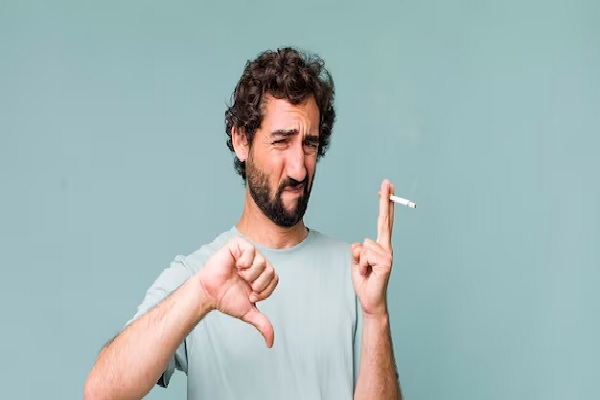
Smoking and hair loss are closely linked due to their damaging effects on hair health. One primary way smoking contributes to hair loss is by reducing blood flow to hair follicles. These follicles rely on the circulatory system to deliver oxygen and nutrients for healthy growth. When smoking restricts blood flow, follicles weaken, leading to hair thinning and eventual loss. This impact highlights how smoking directly affects not just internal health but also external appearance.
In addition, cigarette smoke contains harmful toxins that further harm hair follicles. These toxins disrupt the natural hair growth cycle, leading to premature shedding and decreased hair density. Smoking also influences hormone levels, potentially exacerbating conditions like androgenetic alopecia, a leading cause of baldness. In the next section, we will discuss the symptoms of hair loss due to smoking in detail.
What are the symptoms of smoking and hair loss?
Smokers must comprehensively understand the signs that signal smoking’s detrimental effects on hair. Being attuned to these indicators can empower smokers to take proactive measures to mitigate the damage and revitalize their hair.
Thinning hair
One of the most noticeable signs of hair loss and smoking is the gradual thinning of hair strands, particularly around the crown of the head. This thinning process can lead to a decline in the overall lushness and density of hair, resulting in a significant drop in volume. Your hair may no longer possess the fullness it once had, exposing your scalp more.
Receding hairline
Smoking can contribute to the phenomenon of a receding hairline, where hair gradually retreats from the forehead. While this change tends to be most apparent in men, women are not immune to this effect, which may manifest as a noticeably wider forehead or a loss of hair along the temples. The progression can evoke a sense of aging or a shift in appearance, which can be distressing for many.
Increased hair shedding

As a smoker, you might become acutely aware of an uptick in hair loss. Simple, everyday actions—like washing your hair, styling it, or even casually running your fingers through it—can result in a surprising number of strands coming loose. This increase in hair loss can be unsettling and may contribute to feelings of frustration regarding hair health.
Slower hair growth
Smoking can significantly disrupt your hair’s natural growth cycle, leading to slower and shorter regrowth. You may notice that your hair struggles to regain its previous length or thickness, leaving it looking stunted. This prolonged slowdown can prevent your hair from reaching the vibrant, full-bodied state you desire.
Dull and brittle hair
Smoking can strip your hair of its natural vitality, leaving it looking tired and lifeless. You might find that your once lustrous locks appear dull and brittle, lacking the healthy shine and resilience that they once displayed. The overall feeling of your hair can become rough and lackluster, diminishing your confidence in your appearance.
Premature graying
While premature graying is not a direct result of hair loss, it has been linked to smoking habits. This can exacerbate the issue of thinning hair, as the appearance of gray strands becomes more pronounced and may detract from the youthful aesthetic of your hair. The sight of these graying hairs can evoke feelings of aging, adding yet another layer of concern about hair health.
Elevated risk of baldness
What are the effects of smoking and hair loss?

Smoking is known to exert a multifaceted influence on the health of your hair, and regrettably, all of its effects are detrimental. These encompass:
Harm to hair follicles
One of the most pronounced ways smoking can cause hair loss is by endangering the integrity of hair follicles. Smoking sets off a chain reaction of damaging events, primarily through oxidative stress. This condition occurs when the body produces an excess of free radicals, highly reactive molecules that can interact with the DNA within our cells, causing damage.
Additionally, these free radicals can attack lipids, causing lipid peroxidation, which essentially annihilates hair cells. Oxidative stress profoundly and directly impacts hair growth and vitality.
Impaired blood circulation
A less-known yet highly significant aspect of smoking’s adverse effects on hair is its role in compromising blood circulation. Smoking has the potential to constrict or limit the supply of blood and essential nutrients to hair follicles, which can lead to hair becoming dry, brittle, and stunted in its growth.
It’s important to realize that the plaque buildup resulting from smoking is not limited to the damage it inflicts on the cardiovascular system; it also negatively impacts the overall health of the hair, potentially culminating in hair loss.
Reduced collagen production
Collagen is a crucial protein that ensures the skin’s suppleness and the health of our hair. Under normal circumstances, our bodies produce an adequate amount of collagen. However, smoking can disrupt this natural process.
Furthermore, smoking’s impact on blood flow can lead to clot formation. Even when the body produces sufficient collagen, this may hinder its efficient transportation to the hair follicles, where it is needed. Without adequate collagen, hair becomes more susceptible to breakage, making hair loss inevitable.
Elevated risk of endocrine disorders
The endocrine system plays a pivotal role in regulating the body’s various functions, including those related to hair health. Smoking can significantly disrupt this system, resulting in the overproduction of thyroid hormones or even the onset of diabetes.
In both cases, hair loss becomes a real and alarming concern. The interplay between smoking and endocrine disorders can trigger a chain reaction of events that detrimentally impact the hair’s natural growth and vitality.
Compromised immune system

The health of your hair can often reflect the strength of your overall immune system. Unfortunately, smoking has the potential to weaken this immune system, making your body more susceptible to diseases that it would otherwise be able to fend off.
A compromised immune system considerably increases the likelihood of hair loss. Additionally, scalp infections caused by bacteria or fungi become more common due to the weakened immune response, further undermining the follicles’ ability to support healthy hair growth.
Impact on hair transplants
For people genetically predisposed to baldness, smoking can negatively affect their efforts to prevent hair loss, even when considering hair transplant procedures. A study conducted in 2018 unveiled that smokers face a significantly heightened risk of complications arising from hair transplants.
These complications may include the development of dead skin tissues on the scalp, substantially diminishing the effectiveness of hair transplant interventions. Consequently, the harmful effects of smoking extend to influencing the outcomes of hair transplant procedures. It presenting a challenging barrier to those seeking to address hair loss through such interventions.
Will my hair regrow if I stop smoking?
When considering the relationship between smoking and hair loss, it’s essential to understand the impact that smoking has on overall health and specifically on hair health. Smoking can lead to reduced blood flow to the hair follicles, ultimately affecting hair growth.
As we said before, the toxins in cigarette smoke can damage the hair and contribute to premature graying. Therefore, if you quit smoking, your body may begin to heal itself, and you could witness a reversal of some of the negative effects on your hair.
Moreover, while stopping smoking can improve your hair growth over time, it may not guarantee that all lost hair will regrow. Genetics, age, and other factors also play a significant role in hair regrowth. However, many people experience improvement in hair texture and thickness after quitting smoking.
How to combat hair loss caused by smoking?

The initial move is unequivocal: quit smoking. Giving up the habit can be a formidable challenge, but it’s a challenge you can conquer. Nicotine replacement therapy is one avenue you can explore on your journey to breaking free from smoking’s grip. Despite the hurdles, if you aspire to rejuvenate your hair and safeguard your overall well-being, this is the path to take.
While smoking and hair los are connected, there are strategies you can employ to mitigate the damage and tend to your precious strands.
IMPORTANT: Seek advice from specialists who can guide you toward the most suitable approach.
Finasteride
This medication is a potent ally in promoting hair growth. By impeding the conversion of testosterone into dihydrotestosterone (DHT), Finasteride puts a stop to the shrinking of hair follicles, thereby preventing hair loss and fostering new growth. Consistency is key when taking Finasteride for it to deliver its desired results.
Minoxidil
Minoxidil, available in foam or liquid form, may curtail hair loss. Its vasodilatory action widens blood vessels at the application site, facilitating improved blood circulation, thus fostering hair growth. Minoxidil also prolongs the growth phase of your hair, resulting in thicker and longer locks. Although the full scope of Minoxidil’s workings is still somewhat mysterious, it yields tangible benefits.
Corticosteroids
Corticosteroids can be administered orally or topically as creams, gels, or ointments. These substances combat hair loss and, in their more potent forms, can even stimulate hair growth. They prove highly effective in addressing alopecia areata.
While the remedies mentioned above have a track record of effectiveness, a backup plan is crucial. If none of these options yield the desired outcome, don’t hesitate to consult a dermatologist for a comprehensive evaluation.
Faq’s
Does smoking cause hair loss?
Yes, smoking can contribute to hair loss by restricting blood flow to the hair follicles, damaging the follicles, and disrupting hormone levels in the body.
Is there a remedy to counteract the effects of smoking on hair loss?
Maintaining a healthy diet, staying hydrated, reducing stress levels, and avoiding smoking can all help improve hair health and minimize the effects of smoking on hair loss.
How quickly will my hair improve after quitting smoking?
Hair improvements may begin within weeks as circulation and nutrient delivery to follicles improve. Noticeable changes in texture and density can take several months, depending on individual factors.
Conclusion
Smoking and hair loss are closely linked, with smoking contributing to hair loss through restricted blood flow, oxidative stress, and hormonal imbalances. These factors weaken hair follicles, disrupt growth cycles, and increase the likelihood of baldness. While quitting smoking can enhance overall health and improve hair vitality, the extent of regrowth depends on factors like genetics and age. Embracing a smoke-free lifestyle, along with treatments like Finasteride or Minoxidil, can help address the effects of smoking and hair loss, restoring confidence and promoting healthier hair. Avoiding smoking is not only essential for overall well-being but also for hair health.


Responsable – CAPIL SOLUTIONS. S.L
*Términos y condiciones
Finalidad – Dar respuesta a las solicitudes de información, y poder enviarle nuestras publicaciones, promociones de productos y/o servicios, gestionar los comentarios en el blog
Derechos Arco - Acceder, rectificar y suprimir los datos, así como otros derechos, como se explica en la información adicional.
info@capilclinic.us
Legitimación – Consentimiento
Destinatarios – No se cederán datos a terceros salvo obligación legal
Política de privacidad – Puede consultar nuestra política de privacidad aquí
*Política de privacidad