

The art of hair grafting has become a leading top notch hair transplant solution, revolutionizing aesthetic surgery since its origins in 1930s Japan. Understanding how does a hair transplant work is essential—it involves harvesting healthy follicles and implanting them to restore natural growth. Many patients researching hair transplant surgery in Turkey reviews are drawn to Turkey for its advanced techniques and affordability. However, success depends on choosing an experienced surgeon.
Comparing hair transplant before and after photos helps set realistic expectations. For those in the UK, the best hair transplant UK clinics offer personalized plans and cutting-edge technology to ensure optimal results. A top notch hair transplant requires thorough consultation, tailored techniques, and expert care. With the right guidance, patients can achieve natural, long-lasting outcomes that restore both hair and confidence.
What types of hair transplant ensure a top notch hair transplant?

In hair grafting, two prominent top notch hair transplant techniques have taken center stage. These techniques are Follicular Unit Transplantation (FUT) and Follicular Unit Extraction (FUE). Both techniques have advantages and disadvantages. The choice between the two depends on various factors, such as the patient’s specific needs, the characteristics of the donor area, and the expertise of the surgeon.
Follicular Unit Transplant
The Follicular Unit Transplantation (FUT) procedure utilizes a specialized technique in which a strip of scalp tissue is surgically harvested from the donor area of the head, typically the back or sides. This strip is then carefully dissected under magnification to obtain individual follicular units, each containing one or more hair follicles.
The recipient area where hair loss has occurred is prepared by making small incisions. The dissected follicular units are meticulously transplanted into these sites, ensuring precise placement and natural-looking results. This process allows for the redistribution of healthy hair follicles from the donor area to areas experiencing hair loss, promoting the regeneration of new hair and overall rejuvenation.
Follicular Unit Extraction
Follicular Unit Extraction (FUE) is a top-notch hair transplant technique that offers precise and minimally invasive hair restoration. This advanced procedure involves the careful extraction of individual hair follicles from the donor area, usually located at the back of the scalp. These follicles are harvested using state-of-the-art specialized equipment, which ensures minimal scarring and promotes a faster, smoother recovery for patients.
Once extracted, the healthy follicles are meticulously transplanted into the recipient area where hair thinning or balding has occurred. The main goal is to restore a natural-looking hairline and full coverage with results that blend seamlessly. Understanding how does a hair transplant work can help patients feel more confident in the process, as it relies heavily on skilled graft placement and careful technique.
Evolution of growth after top notch hair transplant
Understanding the timeline of hair growth after a top notch hair transplant is essential for patients to set realistic expectations and ensure proper care. This section breaks down the crucial early stages following the procedure and explains how to support optimal healing and successful graft survival.
1- The first days after hair transplant
Once you’ve undergone your hair graft procedure, it is absolutely vital to protect the transplanted area from contamination to promote healthy healing. Your surgeon will cover the donor and recipient sites with bandages to shield the incisions from dirt, bacteria, and other harmful microorganisms. Keep in mind that the newly transplanted hair grafts are not yet firmly anchored in your scalp.
To avoid dislodging the grafts, handle your head gently and avoid any trauma or excessive pressure that could affect graft stability. During the first several days after surgery, it’s highly recommended to avoid strenuous physical activities, including intense exercise. Your body needs to allocate energy toward healing the scalp properly. Additionally, a specialized protective cap, often provided by your dermatologist, can help guard the new grafts from environmental factors that might interfere with recovery.
Maintaining moisture around the newly transplanted hair follicles is also crucial. You will be supplied with a saline solution to apply regularly to the scalp to keep the grafts hydrated. When washing your hair, use gentle water pressure to avoid disturbing the fragile, newly sprouting hairs. For the first 3 to 5 days post-procedure, sleeping in a reclining position instead of lying flat is advisable. This adjustment prevents gravitational pull on the grafts, which could negatively impact the healing process and graft retention.
2- Weeks 2 to 7
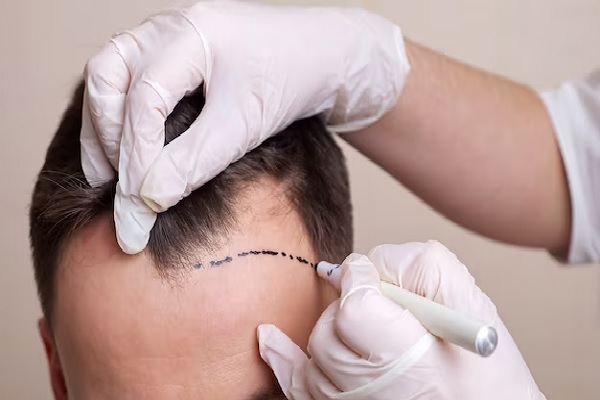
During this period, you might notice the transplanted hair falling out. This shedding is completely normal after a top notch hair transplant and signals the beginning of the regrowth cycle. By now, any initial swelling should have significantly decreased. Maintain your routine and avoid strenuous exercises, as they may interfere with proper healing and follicle anchoring. Continue applying the saline solution exactly as directed by your specialist.
Some residual swellings in the transplanted area may still occur, especially in more sensitive skin types. Fortunately, the saline solution plays an important role in reducing such swelling. You might also observe the formation of scabs and dry skin, both expected signs of recovery. Be careful not to remove them prematurely—let them fall off naturally to ensure an even and healthy healing process.
Maintaining good hygiene is vital, particularly through regular and thorough handwashing. This helps prevent infection during a vulnerable stage of healing. As itching begins, which is common, the saline spray can ease discomfort and prevent scratching. Ask your dermatologist when it’s safe to gradually reduce saline application, depending on your progress. Reading hair transplant surgery in Turkey reviews might also provide useful insight into aftercare experiences shared by others.
Be gentle while washing your hair and avoid using high water pressure directly on the scalp. Refrain from using hard-bristled brushes or combs, as they can disturb delicate grafts and damage developing hair follicles. By the end of this phase, early signs of hair regrowth become visible, even if the new strands appear thinner and duller than your natural hair. Remember, patience is essential as your hair gradually regains volume, strength, and shine. A consistent care routine will bring you closer to the full, healthy results expected from a good hair transplant.
3- Month 3 to 8
Why should you ensure a top notch hair transplant?
Ensuring the best hair transplant is essential for several reasons, as it can significantly impact the success and satisfaction of the procedure. Here are some key reasons why you should prioritize a high-quality hair transplant:
1- Natural-looking results
A high-quality hair transplant is performed with great attention to detail to achieve natural results. Expert surgeons use precise techniques to replicate your hair’s natural growth pattern and direction. The transplanted hair blends seamlessly with your existing hair by mimicking your natural hairline, angle, and density.
2- Minimal scarring
Experienced surgeons employ advanced techniques, such as Follicular Unit Extraction (FUE) or Follicular Unit Transplantation (FUT), which result in minimal scarring. Minimal scarring ensures you can maintain a natural appearance, even if you prefer to wear short hair.
3- Long-lasting results
Quality hair transplants provide long-lasting results. Transplanted hair follicles are typically resistant to dihydrotestosterone (DHT), the hormone responsible for hair loss, making them less likely to fall out over time. This longevity reduces the need for frequent touch-up procedures, making it a cost-effective solution in the long run.
4- Improved self-esteem
Hair loss can significantly impact self-esteem and confidence. A successful hair transplant can restore a fuller head of hair, which often leads to a boost in self-esteem and overall well-being.
5- Expertise and precision
Top-notch clinics and surgeons have extensive expertise and experience. They thoroughly assess your hair loss pattern, donor hair availability, and personal goals. This in-depth evaluation enables them to create a precise and customized treatment plan.
6- Reduced complications
High-quality clinics prioritize patient safety and take strict precautions to minimize the risk of complications during and after the surgery. This includes comprehensive preoperative evaluations, sterile surgical conditions, and experienced staff.
7- Personalized treatment
Quality clinics tailor the procedure to your specific needs. They consider your hair type, facial structure, and individual preferences to create a personalized treatment plan. This ensures that the results are natural and uniquely suited to you.
8- State-of-the-art facilities
Top-notch facilities are equipped with cutting-edge medical technology and equipment. This contributes to a safer, more comfortable surgical environment and a more efficient procedure.
9- Post-operative care
Reputable clinics provide comprehensive post-operative care and guidance. They give you detailed instructions on how to care for your transplanted hair, minimize scarring, and promote healing. Regular follow-up appointments and guidance throughout the recovery process are standard in high-quality clinics.
10- High patient satisfaction
Patients who receive hair transplants are generally more satisfied with the hair transplant before and after results. Their success often leads to renewed confidence, higher self-esteem, and improved quality of life.
11- Cost-effectiveness
While high-quality hair transplants may have a higher upfront cost, they are often more cost-effective in the long run due to their long-lasting results. The reduced need for additional treatments or touch-ups means you spend less in the long term.
12- Ethical practices
Reputable clinics adhere to ethical standards. This includes obtaining informed consent, ensuring patient confidentiality, and strictly following medical and safety regulations to provide a safe and ethical environment for the procedure.
Conclusion
A top notch hair transplant requires careful planning, expert skill, and dedication to patient care. Achieving natural-looking results depends not only on advanced technology but also on the experience of the surgical team. Patients should prioritise choosing a clinic that follows best practices and offers personalised treatment plans to ensure the best outcome possible.
Understanding the entire process—from initial consultation to post-operative care—is crucial in making an informed decision. A successful hair transplant involves patience and commitment during the recovery phase. With the right guidance and realistic expectations, individuals can enjoy renewed confidence and lasting results.
When searching for a top notch hair transplant, it’s important to consider factors such as surgeon expertise, clinic reputation, and patient reviews. These elements collectively contribute to a smoother experience and higher satisfaction with the final look. Taking the time to research and ask questions will help patients feel comfortable and prepared throughout their journey.
If you are considering a hair transplant and want exceptional care and proven results, visit the website of Capilclinic today. Our team is ready to provide expert advice and support tailored to your unique needs. Take the first step toward restoring your hair and confidence with a trusted clinic dedicated to excellence.


Responsable – CAPIL SOLUTIONS. S.L
*Términos y condiciones
Finalidad – Dar respuesta a las solicitudes de información, y poder enviarle nuestras publicaciones, promociones de productos y/o servicios, gestionar los comentarios en el blog
Derechos Arco - Acceder, rectificar y suprimir los datos, así como otros derechos, como se explica en la información adicional.
info@capilclinic.us
Legitimación – Consentimiento
Destinatarios – No se cederán datos a terceros salvo obligación legal
Política de privacidad – Puede consultar nuestra política de privacidad aquí
*Política de privacidad