

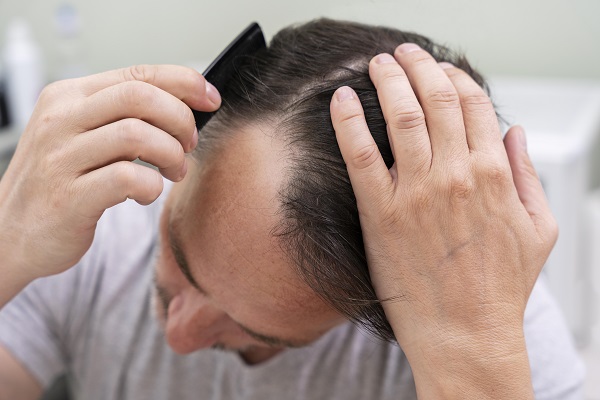
Hair loss can be frustrating and distressing. Traction alopecia is one of the many types of hair loss that can affect individuals. This condition causes gradual hair shedding and thinning, primarily due to excessive and prolonged tension on the hair. It can be incredibly challenging to address. However, with the proper knowledge and proactive steps, you can regain control of your hair health and restore it to its vibrant, full state.
In this guide, we will explore traction alopecia in detail. We will examine its causes, risk factors, and practical solutions for managing this common form of hair loss. Whether you’re already experiencing traction alopecia or want to take preventive measures, this post will provide the necessary information and strategies. These will help you maintain a healthy and beautiful head of hair.
What is Traction Alopecia?

Traction alopecia is a type of hair loss caused by excessive and prolonged tension or pulling on the hair. It often results from wearing certain hairstyles, such as tight ponytails or braids, or using hair accessories like clips and tight bands, which create consistent stress on the hair strands.
Additionally, frequent manipulation or styling of the hair can contribute to this problem, leading to cumulative damage over time. Many people engage in these practices unknowingly, increasing the risk of this type of alopecia, especially for those who change their hairstyles often. Over time, the sustained tension from traction alopecia can cause significant damage to the hair follicles, which are essential for healthy hair growth.
How does traction alopecia damage hair follicles?
Hair follicles, the small openings in our skin, play a crucial role in hair growth. The process depends on protein cells, continually nourished by blood supplied through nearby blood vessels. The more cells produced, the more hair appears on the surface.
Your scalp is home to about 100,000 hair follicles, which support the terminal hairs we see and style. When these follicles are damaged, repairing them becomes problematic. This damage often leads to hair loss and, eventually, baldness.
You might wonder if hormonal imbalances or nutritional deficiencies cause traction alopecia, but the story differs. This type of hair loss does not stem from internal factors. Instead, it results from external stress on the hair follicles.
What causes Traction Alopecia?
The primary and most impactful contributors to hair follicle damage due to traction are hairstyles that continuously strain the hair’s roots. These styles subject the hair follicles to ongoing tension, ultimately leading to damage. These problematic hairstyles encompass:
Tight pigtail or ponytail

The seemingly innocent act of securing your hair in tight pigtails or ponytails can have far-reaching consequences. Continuous tension from these styles can weaken hair follicles over time, leading to potential damage. To protect your follicles, it’s important to balance style and comfort.
Dreadlocks
The allure of dreadlocks lies in their unique appearance, but creating and maintaining them often involves tightly twisting and rolling the hair. This repetitive manipulation can significantly stress hair follicles, possibly resulting in long-term damage.
Heavy extensions with braids
Enhancing natural hair with heavy extensions, especially when tightly braided, can exert substantial weight on hair follicles. This added weight and tension can compromise follicle health, making it crucial to choose extensions compatible with hair strength.
Tight hairpieces
Whether you opt for wigs, weaves, or other hairpieces, how you secure them matters. Hairpieces fastened too tightly can pull at your natural hair, contributing to the tension-induced damage of your hair follicles. Proper attachment and maintenance are essential to protect the integrity of your follicles.
Headbands
While practical and stylish, headbands can have unintended consequences when worn daily. The constant pressure and friction they exert along the hairline can weaken the follicles, so it’s advisable to vary your hairstyle choices to alleviate this pressure.
Hair clips and pins
Frequent use of hair clips and pins to secure hair can create localized stress on the follicles in the areas where they are applied. This recurring tension can ultimately damage the follicles, necessitating careful consideration of your styling choices.
Tight headgear leads to Traction Alopecia
Whether wearing a tightly fitted helmet, turban, or any other headgear, prolonged wear can compress hair against the scalp. This constant pressure can compromise the health of hair follicles. Ensuring your headgear is appropriately fitted and taking breaks from wearing it can protect your follicles.
Cornrows

This traditional African hairstyle involves tightly braiding the hair close to the scalp in neat rows. While cornrows can be stylish and convenient, they consistently place tension on the hair follicles, potentially harming them over time. Moderation and care are key when choosing cornrows.
Hair rollers
Hair rollers are a common tool for achieving various styles. However, when used repeatedly and rolled tightly, they can put pressure on the hair follicles. Therefore, using them judiciously is essential to avoid compromising their health.
Hand pulling of the hair causes Traction Alopecia
Continuously tugging or pulling at your hair, even inadvertently, places consistent stress on the hair follicles. Over time, this can weaken and damage the follicles. Being mindful of such habits is vital for the long-term health of your hair.
What are the symptoms of Traction Alopecia?
Understanding the early signs of hair follicle damage is crucial for proactive care and intervention. Keep a close eye on the following symptoms, as they may indicate the onset of issues with your hair follicles:
Receding hairline
A receding hairline is often one of the initial indicators of hair follicle damage. When you observe your hairline moving backward from its previous position, it could be a sign that your follicles are under stress.
Short hairs around the frontals
Another telltale sign is the presence of shorter-than-usual hairs in the frontal area of your scalp. These shorter hairs may signify that your follicles struggle to produce healthy, full-length hair strands.
Small hair loss around tension areas
Hair loss in specific areas of your scalp, particularly those subjected to tension from hairstyles, is a concerning sign. If you notice small patches of hair loss where you typically wear tight hairstyles, your hair follicles may be damaged.
Post-hairstyle scalp sensitivity
After wearing certain hairstyles that exert pressure on your scalp, you might experience scalp sensitivity. If your scalp feels sore, tender, or uncomfortable, it could indicate that your hair follicles have endured stress.
Itchiness
Persistent scalp itching, especially after using certain hairstyles, can be a red flag for hair follicle damage. Itchiness may arise from inflammation and irritation of the hair follicles.
Folliculitis

Folliculitis is a condition characterized by the inflammation of hair follicles. When you notice pimple-like bumps, redness, and discomfort on your scalp, it’s a sign that your follicles may be infected or inflamed.
Redness (inflammation)
Redness in the scalp area is a visual cue of inflammation and damage to the hair follicles. Inflamed follicles can lead to hair thinning and loss if not addressed promptly.
How do I take care of my hair if I have Traction Alopecia?
When certain signs become apparent, you must not delay seeking your assistance. Addressing these concerns promptly is crucial in preventing permanent harm to your hair follicles. To embark on the path toward hair health and regrowth, it’s advisable to seek professional guidance. Here are some actions you can take independently:
- Steer clear of hairstyles that exert excessive pressure on your hair.
- Frequently change your hairstyle to reduce the strain on your hair.
- Minimize how often you wear headgear that puts pressure on your hair.
- Make regular visits to a salon for professional hair care and advice.
- Reduce the application of chemical treatments on your hair to safeguard its health.
There are also home-based remedies available to address traction alopecia.
Home remedies for treating Traction Alopecia
Protein intake
Consider increasing your protein consumption to enhance the effectiveness of your treatment for traction alopecia. The cells responsible for hair growth rely on adequate protein. The amount of protein required varies from person to person, depending on factors like physical activity and muscle mass. Nevertheless, ensuring a decent protein intake is essential.
Iron intake
An iron deficiency can hinder the success of your chosen treatment methods. To address this potential issue, incorporate iron-rich foods such as spinach, white beans, pumpkin, and lentils into your diet.
Aromatherapy
Aromatherapy, a natural healing approach, utilizes plant-based essential oils like lavender, thyme, rosemary, and tulsi. These oils can be beneficial in addressing traction alopecia. Explore the potential of aromatherapy in your treatment regimen.
Scalp massages

Regular scalp massages using the aforementioned essential oils can stimulate blood flow to undernourished hair follicles, encouraging them to resume hair production. Consistently dedicating time to scalp massage may yield noticeable improvements, potentially resulting in thicker hair within six months.
Faq’s
Can traction alopecia lead to permanent hair loss?
Yes, if the tension on the hair and scalp is prolonged or severe, traction alopecia can result in permanent hair loss and damage to the hair follicles. Early intervention and addressing the underlying causes are crucial to prevent irreversible hair loss.
How long does it take to recover from traction alopecia?
The recovery time for traction alopecia can vary depending on the severity of the condition and the individual’s response to treatment. With the proper interventions, hair regrowth can be observed in mild cases within 3-6 months. However, in more severe or long-standing cases, recovery may take 6 months to a year or longer.
Can traction alopecia affect the entire scalp?
In severe cases, traction alopecia can affect the scalp, leading to a generalized thinning or balding pattern. However, it more commonly manifests as localized hair loss, particularly along the hairline, temples, or other areas where the tension is most concentrated.
Conclusion
Traction alopecia is a prevalent form of hair loss that can significantly impact an individual’s self-confidence and overall well-being. By understanding the causes, risk factors, and practical solutions, you can take proactive steps to prevent and even reverse this condition, reclaiming your full, healthy head of hair. Remember, the key to managing traction alopecia lies in addressing the underlying sources of tension and stress on the hair and scalp. Adopt gentle hair care practices, be mindful of your hairstyles and accessories, and seek professional guidance when necessary.


Responsable – CAPIL SOLUTIONS. S.L
*Términos y condiciones
Finalidad – Dar respuesta a las solicitudes de información, y poder enviarle nuestras publicaciones, promociones de productos y/o servicios, gestionar los comentarios en el blog
Derechos Arco - Acceder, rectificar y suprimir los datos, así como otros derechos, como se explica en la información adicional.
info@capilclinic.us
Legitimación – Consentimiento
Destinatarios – No se cederán datos a terceros salvo obligación legal
Política de privacidad – Puede consultar nuestra política de privacidad aquí
*Política de privacidad