

In recent years, the demand for advanced hair restoration and aesthetic scalp treatments has grown rapidly. People are no longer looking only for medical solutions but also for techniques that enhance visual results. Among these, tricopigmentation has gained popularity for its ability to improve the appearance of hair density without stimulating new hair growth. This innovative technique involves the precise application of pigments to the scalp, creating the illusion of thicker, fuller hair.
While it does not regenerate follicles, it plays an important role in aesthetic enhancement after medical procedures. Tricopigmentation is often used to complement treatments such as hair transplantation or PRP therapy. It helps to disguise thinning areas, define hairlines, and achieve a more uniform look. For many patients, this approach delivers a natural and confident appearance—making it an excellent complement to medical hair restoration treatments.
What is Tricopigmentation?
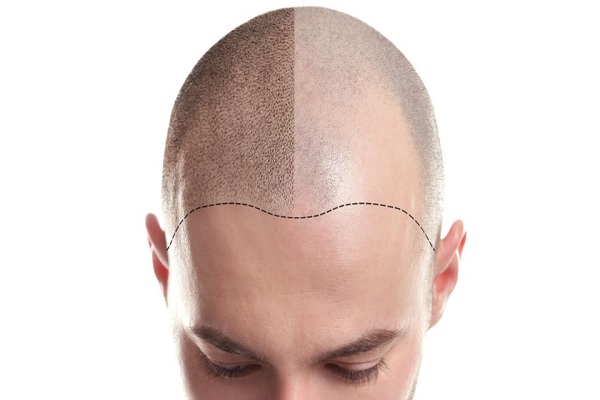
Tricopigmentation is a semi-permanent scalp micropigmentation technique designed to replicate the look of natural hair follicles. It creates the illusion of thicker hair and a denser scalp, making it an ideal solution for those who want to enhance their appearance without surgery. The procedure involves depositing biocompatible pigments into the upper layer of the skin using specialised equipment. These pigments are formulated specifically for the scalp to ensure safety, precision, and a natural aesthetic outcome.
Unlike permanent tattooing, tricopigmentation is temporary and gradually fades over time. The results usually last between six and eighteen months, depending on factors such as skin type, lifestyle, and aftercare. Because of its controlled depth and specialised pigments, the treatment allows for subtle adjustments and maintenance sessions when needed. This flexibility makes tricopigmentation a popular, low-risk option for those seeking to restore the appearance of fuller, well-defined hair.
How Tricopigmentation works
Unlike surgical options, Tricopigmentation focuses on visual improvement rather than hair regrowth. The process involves several carefully controlled steps to ensure natural, lasting results.
1. Assessment of the area. Before any work begins, a thorough assessment takes place. The clinician examines scalp tone, hair distribution and thinning patterns. They note scars, skin condition and any previous treatments. This step sets realistic expectations and defines the treatment plan.
2. Shade selection. The practitioner selects biocompatible pigments matched to the existing hair colour and skin undertone. Multiple swatches may be tested on the scalp. The aim is to create depth and blend, not to contrast. Colour choice affects how natural the result will age.
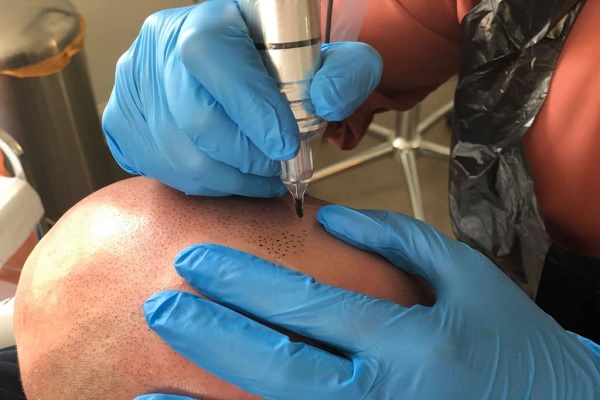
3. Application of micro-dots using fine needles. The technician uses a specialised handheld device with very fine needles. They deposit tiny pigment dots into the upper epidermis, mimicking hair follicles. The process is layered and controlled; density and pattern are built gradually. Sessions are paced to avoid over-saturation and to ensure symmetry.
4. Immediate, natural result. After treatment, the scalp shows an instant improvement in perceived density. The micro-dots provide the look of a fuller hairline and reduced visibility of thinning. Any initial redness subsides within a few hours to days, leaving a soft, natural finish.
5. Non-invasive and reversible nature. Tricopigmentation is non-surgical and minimally invasive. Pigments sit in the superficial skin layer rather than deep in the dermis. Because of this shallow placement and the pigment formulation, the effect is semi-permanent and gradually fades. If desired, pigments can be adjusted or removed with specialised treatments.
6. Aftercare and maintenance. Clients receive clear aftercare instructions to ensure pigment retention and skin healing. Top-up sessions are recommended to maintain density over time. This controlled, reversible approach lets patients refine their look as their medical treatments progress.
Tricopigmentation after Hair Transplant
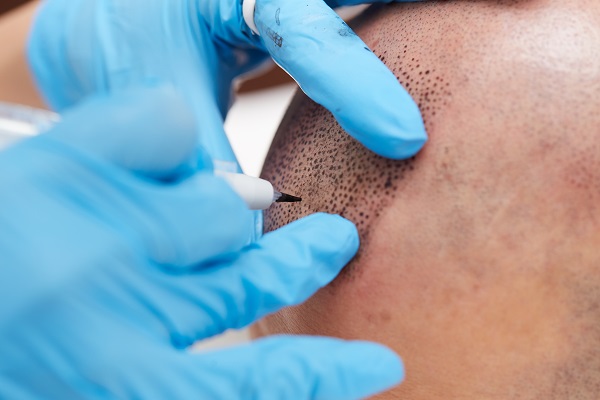
After a hair transplant, patients often achieve significant regrowth, but some areas may still show lower density or uneven coverage. Tricopigmentation is an effective way to visually enhance these zones, creating a more uniform and natural appearance. By carefully depositing pigments, the technique mimics natural hair follicles and reduces the visibility of thinning spots.
It also helps conceal scars from the transplant procedure. Even the most skilled surgical techniques can leave small linear or dot-like marks, especially in FUT or FUE procedures. Tricopigmentation blends these scars with the surrounding hair, making them almost invisible and giving the scalp a smoother, fuller look.
The treatment is ideal for softening transitions between transplanted and non-transplanted areas. Sometimes the newly implanted hair may not fully match the surrounding density, leaving subtle differences in appearance. Tricopigmentation can harmonise these transitions, ensuring the hairline and overall scalp look seamless before and after results.
Timing is important for optimal results. The procedure should be performed after the transplanted hair has fully recovered and grown, typically several months post-surgery. This allows the practitioner to assess true density and create a precise pigmentation plan that complements the natural regrowth.
Combining Tricopigmentation with PRP or other treatments
Tricopigmentation and PRP work together to create both medical and aesthetic improvement. While PRP (Platelet-Rich Plasma) focuses on stimulating and strengthening hair follicles, tricopigmentation enhances the scalp’s visual density. This combination provides patients with healthier hair growth and a fuller-looking scalp, addressing both the biological and cosmetic aspects of hair restoration.
PRP treatment improves follicular health from within. It involves injecting a patient’s own plasma—rich in growth factors—into the scalp to encourage cell regeneration and stronger hair shafts. Over time, this can reduce shedding and promote thicker strands. By improving the foundation of hair growth, PRP sets the stage for long-lasting results that look natural.
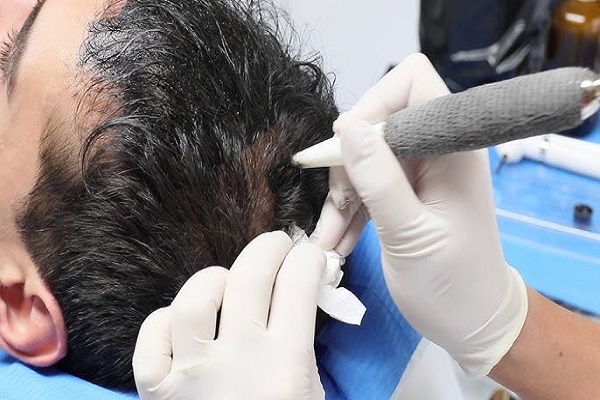
Tricopigmentation complements PRP by refining the visual result. Even with improved hair quality, some individuals may still experience uneven coverage or thin areas. The micro-pigmentation technique creates the illusion of density and defines the hairline, ensuring a balanced appearance. It enhances the outcome of PRP treatment results without interfering with its biological benefits.
Together, both treatments deliver comprehensive, harmonious results for men and women. PRP rejuvenates the scalp and strengthens follicles, while tricopigmentation perfects the overall look. The combination restores confidence by improving both the health and the appearance of the hair, offering a complete, natural-looking transformation for those seeking advanced, non-surgical hair restoration solutions.
Who can benefit from Tricopigmentation
Tricopigmentation is a versatile solution suitable for a wide range of individuals seeking to improve the look of their hair density. It offers flexibility, natural results, and minimal recovery time, making it appealing for both men and women. This technique is ideal for those who:
-
Are not candidates for a hair transplant. Some people may lack sufficient donor hair or prefer to avoid surgery. Tricopigmentation provides a non-invasive alternative that enhances appearance without medical intervention.
-
Wish to cover thinning or bald areas. The precise pigmentation technique helps disguise patches of hair loss, scars, or scalp visibility, offering the impression of a fuller head of hair.
-
Seek a denser appearance after a medical treatment. Individuals who have undergone a hair transplant or PRP can use tricopigmentation to refine their results. It helps balance density and create a seamless visual effect across the scalp.
-
Prefer a temporary aesthetic solution. Because it is semi-permanent, tricopigmentation allows patients to adjust or refresh their look over time. It’s an excellent choice for those exploring their options before committing to permanent procedures.
What are the benefits of Capillary Tricopigmentation?
Despite being viewed by some as a short-term remedy, capillary tricopigmentation boasts a range of advantages. It offers a nuanced approach to addressing hair loss concerns.
1- Enhanced fullness and coverage
Capillary tricopigmentation provides extensive coverage for areas experiencing hair loss or thinning. This technique effectively replaces these problematic spots with a high optical density level, irrespective of the patient’s initial hair length. The result is a visually fuller and denser appearance, making it a noteworthy alternative to conventional hair products.
2- Cost-effective alternative
One of the standout features of capillary tricopigmentation is its affordability. This makes it a viable option for people who may find hair transplants financially burdensome or those with conditions like alopecia universalis.
This technique creates a shaved effect, presenting a meticulously reconstructed scalp. The cost-effectiveness of capillary tricopigmentation positions it as an accessible solution for individuals seeking a rejuvenated look without the hefty price tag associated with other treatment options.
3- Revitalising scarred areas
Capillary tricopigmentation emerges as a highly effective solution for concealing scars resulting from post-surgery procedures. Follicular Unit Transplantation (FUT) and Follicular Unit Extraction (FUE) are the most famous surgeries. Scars may be a consequence of various traumatic incidents.
4- Elevated comfort, bloodless procedure
Experience exceptional comfort during capillary tricopigmentation sessions, with minimal to no discomfort reported. This heightened comfort is achieved by meticulously applying local anaesthesia before introducing the organic pigments, ensuring a virtually painless and bloodless procedure.
5- Employing biocompatible organic pigments
Capillary tricopigmentation relies on using biocompatible organic pigments, carefully chosen for their compatibility with the body’s natural processes. These pigments, although temporary, exhibit remarkable colour stability. The rationale behind favouring temporary pigments is their seamless absorption into the skin, adapting to the subtle changes in hair colour over time. This approach ensures a more satisfactory and harmonious outcome than the potential colour alterations that permanent pigments might undergo post-deposition.
👉 Tricopigmentation enhances appearance instantly, but for those ready to restore real growth, explore our best hair transplant in the USA.
What are the Risks of Tricopigmentation?
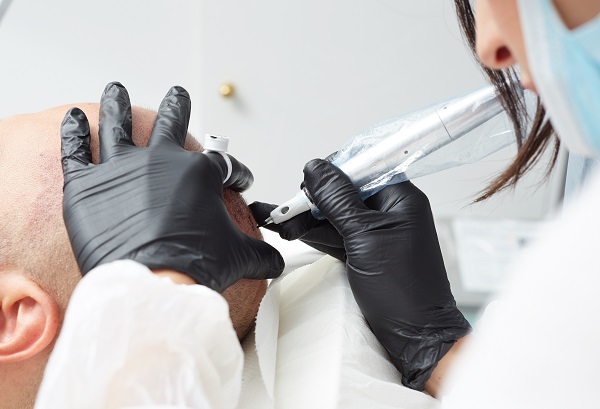
Selecting capillary tricopigmentation as a temporary remedy for hair loss is generally safe. Even in pigment misapplication, the resulting flaws are not immediately apparent. The pigments naturally fade over about 18 months, allowing any mistakes to wash away gradually.
However, it is of the utmost importance to entrust this intricate procedure to a highly skilled and experienced medical professional. While the potential reversibility of errors is reassuring, it should not justify accepting substandard outcomes. Optimal results demand a commitment to receiving services that truly reflect the value of your financial investment.
FAQ’s
What is tricopigmentation and how does it work?
Tricopigmentation is a non-surgical cosmetic technique that uses microdots of pigment to replicate the look of natural hair follicles on the scalp. The pigments are applied with precision to create an illusion of density, improving the appearance of thinning areas. It’s a semi-permanent procedure, lasting between 6 and 18 months, and provides an immediate, natural-looking result for both men and women.
How is tricopigmentation different from scalp micropigmentation?
While both techniques use pigmentation to mimic hair follicles, tricopigmentation is semi-permanent, designed to fade gradually over time. Scalp micropigmentation (SMP) is permanent and typically uses deeper pigment placement. Tricopigmentation offers more flexibility for those who want a temporary enhancement or wish to adjust their look later. It’s also ideal for testing how a permanent result might appear before committing to SMP.
Can tricopigmentation be combined with a hair transplant?
Yes, tricopigmentation perfectly complements hair transplant results. After the scalp has healed, it can be used to enhance visual density, fill in thinner areas, or camouflage donor scars. Many patients choose this combination to achieve a fuller, more uniform appearance. It does not interfere with transplanted grafts when performed at the right time, usually several months after the surgery.
Is tricopigmentation painful or invasive?
Tricopigmentation is a minimally invasive and generally comfortable procedure. Most people describe the sensation as mild discomfort rather than pain, similar to light scratching. A topical anaesthetic is often applied to reduce sensitivity. Because it doesn’t involve incisions or surgery, there’s no significant downtime — clients can usually resume normal activities the same day.
How long do tricopigmentation results last?
Results typically last between 6 and 18 months, depending on skin type, pigment quality, and lifestyle factors such as sun exposure or skincare routine. The pigments gradually fade in a natural way, allowing easy touch-ups when desired. Regular maintenance sessions can extend the results, keeping the appearance of density fresh and realistic over time.
Conclusion
Capillary tricopigmentation emerges as a versatile solution that conceals imperfections linked to your hair condition. The innovative technique involves applying natural pigments to the epidermal level of the scalp, creating an illusion of greater hair density and concealing scalp imperfections caused by hair loss. This non-invasive procedure offers a practical and long-lasting solution for individuals seeking to restore their confidence and improve their overall appearance.
Mitigating the adverse impact of hair loss on one’s appearance can be daunting and costly, particularly in the initial stages. Beyond its aesthetic benefits, this approach proves secure, cost-effective, and adaptable to individual needs. Consider contacting us for more information!


Responsable – CAPIL SOLUTIONS. S.L
*Términos y condiciones
Finalidad – Dar respuesta a las solicitudes de información, y poder enviarle nuestras publicaciones, promociones de productos y/o servicios, gestionar los comentarios en el blog
Derechos Arco - Acceder, rectificar y suprimir los datos, así como otros derechos, como se explica en la información adicional.
info@capilclinic.us
Legitimación – Consentimiento
Destinatarios – No se cederán datos a terceros salvo obligación legal
Política de privacidad – Puede consultar nuestra política de privacidad aquí
*Política de privacidad