

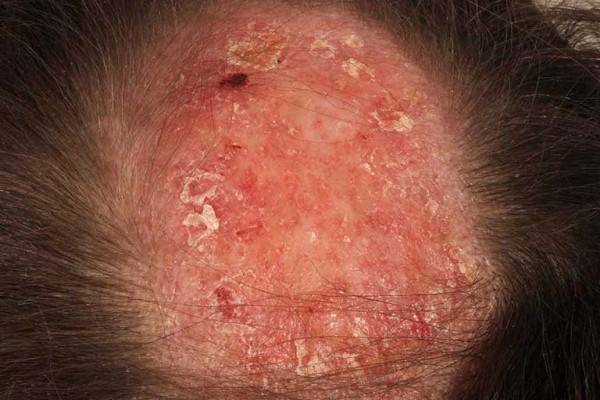
Hair loss is a widespread concern, affecting millions of people worldwide. It manifests in various forms and intensities. One such form is scarring alopecia, also known as cicatricial alopecia. Although it is less common, scarring alopecia is a profoundly serious type of hair loss. This condition can lead to permanent destruction of hair follicles, making it especially concerning for those affected.
Unlike non-scarring alopecia, where hair follicles remain intact and have the potential to regenerate, scarring alopecia causes irreversible damage. This distinction is important, as it underscores the significant and often devastating impact scarring alopecia has on an individual’s appearance and self-esteem.
What is Scarring Alopecia?

Scarring alopecia is a condition that causes permanent hair loss. It occurs when hair follicles are damaged and replaced by scar tissue, which prevents new hair growth. Several factors can cause this type of alopecia. Some of them includes autoimmune disorders, infections, or physical trauma to the scalp.
As inflammation and scarring progress, hair follicles are destroyed. That leads to patchy or diffuse hair loss that does not grow back. Early diagnosis and proper treatment are crucial for managing scarring alopecia. With a dermatologist’s guidance, patients can explore other treatments. They can try topical or intralesional corticosteroids, immunosuppressants, or even hair transplantation.
IMPORTANT: These options can help preserve remaining hair and potentially stimulate new growth.
Causes of Scarring Alopecia
The exact causes of scarring alopecia are not fully understood. In most cases, it is considered an autoimmune disorder. Where the body’s immune system mistakenly attacks the hair follicles, leading to their destruction. However, some forms of scarring alopecia can be triggered by other factors.
Autoimmune diseases
One of the main causes of scarring alopecia is its strong link to autoimmune diseases. Conditions like lupus erythematosus, lichen planus, and frontal fibrosing alopecia are often associated with this type of hair loss.
In these cases, the immune system mistakenly attacks hair follicles, treating them as foreign invaders. This starts inflammation, which damages the follicles. As a result, scarring occurs, disrupting the hair growth cycle. Over time, this leads to permanent hair loss in the affected areas.
Infections
Certain infections can significantly contribute to the onset of scarring hair loss. Bacterial or fungal infections that affect the scalp, if not adequately treated or managed, may trigger a strong immune response.
This heightened immune reaction can unintentionally target and damage the hair follicles, resulting in serious consequences. The damage inflicted can ultimately lead to irreversible scarring alopecia.s.
Trauma

Trauma to the scalp can significantly contribute to the development of this alopecia. Such trauma may arise from severe burns, major injuries, or surgical procedures that impact the scalp’s surface. These injuries can disrupt the health of hair follicles, leading to inflammation and subsequent damage.
As the scalp undergoes these traumatic changes, the affected hair follicles might be permanently altered. That can result in scarring and hair loss in the areas affected by the injury. This process not only brings about physical changes to the scalp but can also have emotional and psychological repercussions for those dealing with hair loss.
Genetic Predisposition
Emerging research suggests that genetic factors may play a role in certain types of scarring alopecia. This condition causes permanent hair loss due to inflammation and scarring. In addition, it could be linked to specific genetic variations.
While scientists are still identifying the exact genetic markers, understanding these factors may lead to more personalized medicines in the future. Such advancements could change how this alopecia is managed. This way, the treatments offer hope for more effective therapies tailored to particular needs.
Medications and treatments
Certain medications and treatments can be associated with these alopecia as an unfortunate side effect. For instance, certain cancer treatments, including radiation therapy and certain chemotherapeutic agents, can inadvertently harm hair follicles, leading to this type of alopecia.
Additionally, immunosuppressive drugs used to manage autoimmune diseases may also play an important part in triggering or exacerbating the condition.
What are the symptoms of Scarring Alopecia?
Scarring alopecia can manifest in various ways. It depends on the specific subtype and the stage of the condition. Some common symptoms include:
Gradual hair loss

Scarring alopecia is a progressive hair loss condition that often begins subtly, manifesting as a gradual thinning of hair. People affected by this condition may find it difficult to recognize the early signs. That is because the initial stages do not usually present with prominent symptoms. This slow deterioration can easily be overlooked, leaving those impacted unaware of the unfolding issue.
Redness and itching
As scarring hair loss progresses, the affected areas on the scalp may develop noticeable characteristics such as redness and inflammation. These changes can be accompanied by persistent itching that often intensifies, particularly when the immune system is engaged in the underlying causes of the condition. The itchiness can become quite bothersome, adding a layer of discomfort to the distress of hair loss.
Scaling and flaking
Another frequent indicator of this alopecia is the emergence of scaling and flaking on the scalp. This aspect can resemble dandruff but is distinct in its severity and the nature of the flakes. These skin manifestations can contribute significantly to the discomfort experienced by affected people. This fosters an anxious focus on their scalp condition and potentially affects their self-esteem.
Hair thinning and breakage
Over time, scarring hair loss leads to hair that becomes increasingly fragile and prone to breakage. The strands lose their vitality. That results in noticeable thinning that can further exacerbate feelings of distress and concern for those affected.
Tenderness or pain
For some people, scarring alopecia is accompanied by tenderness or pain in the affected scalp regions. This discomfort can range from mild sensitivity to intense pain. That indicates the possible progression of the condition. Such sensations can serve as a constant reminder of the underlying ailment, further complicating the emotional landscape for those dealing with this challenging hair loss condition.
Patchy hair loss

One of the hallmark signs of scarring alopecia is the emergence of patchy areas of hair loss. Distinctive scar tissue forms on the scalp. These sections may present with smooth, shiny skin, contrasting starkly with the surrounding hair. The patterns of hair loss can vary widely among people, creating unique and sometimes distressing visual effects that can significantly impact personal appearance.
How to treat scarring alopecia?
Treating this type of alopecia can be difficult. As we said, the condition involves irreversible damage to the hair follicles. However, various treatment options aim to manage symptoms, slow down progression, and improve the overall condition of the scalp.
- Corticosteroids: Topical or injectable corticosteroids can help reduce inflammation and slow down the immune response, potentially preserving remaining hair follicles.
- Immunomodulators: Medications that modify the immune response, such as hydroxychloroquine, may be prescribed in certain cases to curb the autoimmune attack on the hair follicles.
- Antibiotics or antifungals: If an infection is suspected of causing alopecia, appropriate antibiotics or antifungal treatments can be prescribed.
- Phototherapy: Light therapy using ultraviolet light may be effective in some cases of scarring alopecia by reducing inflammation and promoting healing.
- Hair transplantation: In cases where the alopecia has stabilized, hair transplantation may be an option to restore hair in areas of significant hair loss.
- Supportive measures: Gentle hair care practices, such as avoiding tight hairstyles and chemical treatments, can help prevent further damage to the hair.
Faq’s
Can you regrow hair with scarring alopecia?
Regrowing hair in areas affected by scarring alopecia is not possible. The condition causes permanent damage to the hair follicles. It replaces them with scar tissue, which prevents regeneration. Once the follicles are destroyed, they cannot be restored. This leads to permanent hair loss in the affected areas.
Is hair transplant possible in scarring alopecia?
Hair transplant surgery may be an option for some individuals with scarring alopecia. However, the success of the procedure depends on the extent of the scarring. It also depends on the availability of healthy hair follicles in nearby areas. In cases of severe scarring, the underlying skin may not support new follicle growth. At CapilClinic, our expert doctors evaluate each case thoroughly to provide the best possible treatment.
How is scarring alopecia diagnosed?
A dermatologist diagnoses this alopecia through a physical examination of the scalp. They also consider the patient’s medical history. In some cases, the doctor may recommend a scalp biopsy. This biopsy helps assess the extent of follicle damage and identify the cause of inflammation.
Conclusion
Scarring alopecia is a serious and permanent condition that results in irreversible hair loss due to follicle damage and scarring. Early detection is essential for managing symptoms and slowing the progression. While hair regrowth is not possible in affected areas, treatments like corticosteroids, immunomodulators, and hair transplantation may help manage the condition. It’s crucial to seek professional guidance for proper diagnosis and treatment options. Though the impact of scarring alopecia can be emotionally and physically challenging, various treatments and support measures can help individuals maintain their scalp health and manage their condition effectively.


Responsable – CAPIL SOLUTIONS. S.L
*Términos y condiciones
Finalidad – Dar respuesta a las solicitudes de información, y poder enviarle nuestras publicaciones, promociones de productos y/o servicios, gestionar los comentarios en el blog
Derechos Arco - Acceder, rectificar y suprimir los datos, así como otros derechos, como se explica en la información adicional.
info@capilclinic.us
Legitimación – Consentimiento
Destinatarios – No se cederán datos a terceros salvo obligación legal
Política de privacidad – Puede consultar nuestra política de privacidad aquí
*Política de privacidad