

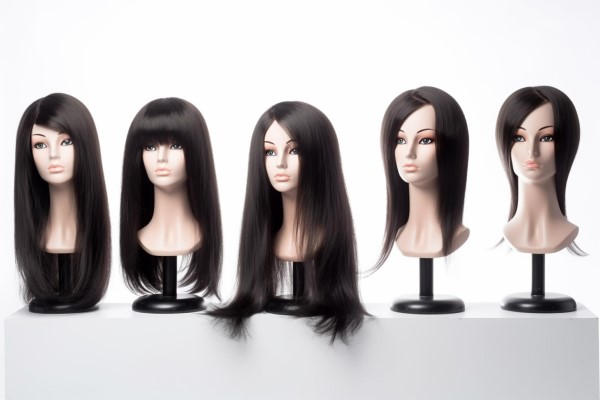
Alopecia can affect anyone, but it often has a profound emotional impact, especially when it causes noticeable hair thinning or bald patches. Hair loss can diminish self-esteem, confidence, and a sense of identity. In some cases, the emotional toll matches the physical changes, prompting individuals to seek ways to restore their appearance and normalcy, like wigs for alopecia.
For many people, wigs for alopecia provide a practical and empowering solution. They help restore a sense of hair fullness and enable individuals to feel more comfortable in social and professional settings. Wigs are both a cosmetic remedy and an emotional lifeline, allowing individuals to regain confidence and express personal style. With advancements in wig technology, modern wigs are more realistic, comfortable, and versatile, offering various styles, colors, and materials to suit different preferences.
What is Alopecia and its effects?

Alopecia is a medical condition characterized by the partial or complete loss of hair on the scalp or other body parts. It affects millions of people worldwide. The condition can manifest in various forms, such as alopecia areata, alopecia totalis, and alopecia universalis, each with its own unique impact on the affected individuals.
The causes of alopecia are complex and can include genetic predisposition, autoimmune disorders, stress, and other factors. Regardless of the cause, the emotional toll of alopecia on individuals can be significant, leading to reduced self-esteem, social anxiety, and a sense of loss of identity.
The impact of Alopecia on emotional well-being
Alopecia is more than just a physical condition; it can significantly impact the emotional well-being of those affected. Hair holds a deep connection to personal identity and serves as a vital medium for self-expression. When a person experiences hair loss, they often encounter an overwhelming sense of grief, as if a crucial part of themselves is disappearing.
This loss can lead to a profound internal struggle, causing many people with alopecia to grapple with decreased self-esteem. The mirror may no longer reflect the image they once recognized, prompting feelings of vulnerability and insecurity.

Consequently, many may choose to withdraw from social interactions, avoiding gatherings or situations where they fear they might face scrutiny or judgment from others. This withdrawal can create a cycle of isolation, further deepening the emotional impact of their condition.
Wigs for Alopecia as a confidence-boosting solution
Wigs have been used for centuries to enhance appearance and conceal hair loss. Still, their value in the context of alopecia goes beyond aesthetics. For people experiencing alopecia, a wig can be a lifeline. It can help them regain a sense of normalcy and control over their appearance. Wearing a wig allows people suffering from this condition to step outside without feeling self-conscious. It empowers them to face the world with renewed confidence.
Moreover, wigs offer the opportunity to experiment with different hairstyles and colors. This enables people to express themselves creatively and embrace change in a way that might not be possible with natural hair alone. As the saying goes, “Hair is a woman’s crowning glory,” and wigs allow women and men alike to maintain that crown, even in the face of hair loss.
The evolution of wigs for alopecia

Advancements in technology and materials have transformed the wig industry, making wigs more comfortable, realistic, and accessible than ever before. Modern wigs are often made from synthetic fibers or natural human hair, with each option having its unique benefits. Synthetic wigs are typically less expensive and easier to care for, however human hair wigs have a more natural appearance and feel, which provides greater style versatility.
The creation of monofilament wigs has been a game-changer for those with alopecia. Monofilament wigs feature a fine, sheer mesh material at the crown or throughout the cap. Each strand of hair is hand-tied to the mesh, giving the illusion that the hair grows directly from the wearer’s scalp. This design provides a more natural appearance and ensures breathability and comfort.
Additionally, lace-front wigs have gained popularity due to their seamless hairline. The delicate lace material blends with the skin, creating an undetectable hairline, making it nearly impossible to distinguish between the wig and the wearer’s natural hair.
Synthetic vs. Human hair wigs for alopecia
Synthetic wigs are made from artificial fibers that mimic the look and feel of natural hair. They are often more affordable and require less maintenance, as the fibers retain their shape even after washing. However, synthetic wigs cannot be styled with heat, so your styling options may be limited. They also have a more uniform texture, which might not suit everyone’s style preferences.
On the other hand, human hair wigs offer a more natural appearance and feel. They can be styled, dyed, and treated just like natural hair, providing greater flexibility. Human hair wigs are typically more durable and long-lasting, but they require more maintenance. Regular washing, conditioning, and styling are necessary to keep them looking fresh. Due to the use of real human hair, these wigs tend to be more expensive than synthetic options.

Custom wigs vs. Standard wigs for alopecia
Custom-made wigs are crafted specifically for an individual. It ensures a perfect fit and a look that aligns with personal preferences. These wigs offer a higher degree of customization in terms of color, length, texture, and overall design. While they tend to be pricier due to the personalized nature of the creation, they offer a tailored solution for those who want a wig that truly matches their natural hair or desired style.
Off-the-shelf wigs, in contrast, are pre-designed and ready to wear. While they come in a wide range of styles, sizes, and colors, they may not offer the same fit or natural look as a custom-made option. However, they are often more accessible and affordable, making them a practical choice for many people. These wigs are available in both synthetic and human hair materials, allowing for flexibility in price and appearance.
How to maintain wigs for alopecia in good condition?
Proper wig care is essential for individuals with alopecia who rely on wigs to maintain their desired hairstyle and appearance. Here are some key steps to help keep your wig looking its best.
Step 1: Gently cleanse the wig
Begin the cleansing process by choosing a mild, sulfate-free shampoo that will be gentle on the wig’s fibers. Using cool water, carefully wet the wig without fully submerging it, as this can lead to potential damage. Instead, with a wig brush or your fingers, delicately work the shampoo through the hair strands, paying particular attention to the roots and tips where oils and product buildup tend to accumulate. Use gentle, smooth motions to avoid stressing the fibers.
Step 2: Condition and detangle
Once the wig is cleansed, apply a lightweight, silicone-free conditioner to nourish the hair. Carefully distribute the conditioner through the strands, taking special care not to tug or pull, as this may cause knots. Use a wide-tooth comb or your fingers to gently detangle any knots, starting from the tips and working your way up to the roots. This method reduces breakage and keeps the hair looking healthy.
Step 3: Rinse and blot dry

Rinse the wig thoroughly under cool running water. Ensure that all traces of shampoo and conditioner are washed away. Be cautious not to rub or wring the wig, as these actions can distort the shape of the hair fibers. Instead, gently blot the wig with a soft, absorbent towel, allowing it to soak up excess moisture without damaging the texture.
Step 4: Style and heat protect
If you intend to style your wig with heat tools, it’s essential to apply a protective spray or serum specifically designed for heat styling. This step acts as a barrier, safeguarding the fibers from heat damage while preserving the wig’s overall look and feel. Choose a product that suits the specific fibers of your wig for optimal results.
Step 5: Store properly
To keep your wig looking its best when not in use, store it on a wig stand or mannequin head, which helps preserve its shape and prevents tangling. This method ensures that the fibers maintain their intended style without becoming misshapen. Avoid hanging the wig, as this can stretch the fibers and lead to an unnatural appearance over time. Taking the time to store your wig correctly will extend its lifespan and keep it looking fresh and vibrant.
IMPORTANT: Schedule periodic trims or restyling appointments with a wig specialist to keep your wig looking fresh and natural.
Faq’s
Are there wigs specifically designed for people with alopecia?
Yes, many wigs are designed specifically for individuals with alopecia. Monofilament and lace-front wigs, for example, offer a more natural appearance by mimicking a natural hairline or scalp.
How do I choose between a synthetic and a human hair wig for alopecia?
Synthetic wigs are more affordable, require less maintenance, and retain their shape after washing. They are ideal for those looking for convenience. Human hair wigs for alopecia offer a natural look, greater styling flexibility, and longevity, but they require more care and are typically more expensive.
How long do wigs for alopecia last?
The lifespan of a wig depends on the material and care. Synthetic wigs typically last 6-12 months with proper care, while human hair wigs can last 1-2 years or longer if maintained well.
Conclusion
Wigs offer a valuable solution for individuals coping with alopecia, not only providing an immediate cosmetic fix but also boosting confidence and emotional well-being. The emotional toll of alopecia can be significant, affecting one’s self-esteem and sense of identity. However, with the advancement of technology, people now have access to more realistic, comfortable, and customizable options than ever before. Whether opting for synthetic or human hair, custom-made or off-the-shelf wigs for alopecia, the key is finding a solution that works best for personal needs and lifestyle. Wigs can also complement medical treatments, offering support during hair regrowth phases and helping people feel more empowered.


Responsable – CAPIL SOLUTIONS. S.L
*Términos y condiciones
Finalidad – Dar respuesta a las solicitudes de información, y poder enviarle nuestras publicaciones, promociones de productos y/o servicios, gestionar los comentarios en el blog
Derechos Arco - Acceder, rectificar y suprimir los datos, así como otros derechos, como se explica en la información adicional.
info@capilclinic.us
Legitimación – Consentimiento
Destinatarios – No se cederán datos a terceros salvo obligación legal
Política de privacidad – Puede consultar nuestra política de privacidad aquí
*Política de privacidad