

Contenidos
ToggleHair loss can have a significant emotional impact, leading many people to seek advanced and effective solutions. Among the most innovative options, stem cell treatment for alopecia has emerged as a promising approach within modern regenerative medicine. This therapy aims to stimulate natural hair growth by using the body’s own cells to repair and regenerate damaged follicles.
Although still considered an evolving medical field, early research and clinical trials have shown encouraging outcomes for both men and women experiencing different types of hair loss. The goal of this article is to provide clear and reliable information about how this treatment works, what patients can expect, and why it represents an exciting development in hair restoration. Understanding its potential, limitations, and current scientific basis helps patients make informed decisions with confidence and realistic expectations about this innovative medical option.
What is Stem Cell therapy for Alopecia?
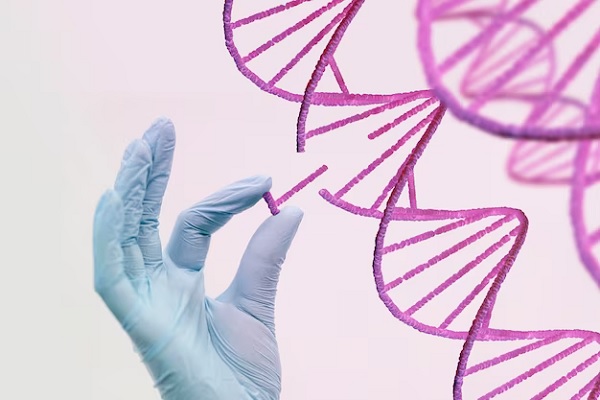
Stem cell therapy for alopecia is a regenerative medical technique designed to encourage hair growth by repairing and reviving damaged follicles. Stem cells are unique cells found naturally in the body, capable of transforming into different types of tissues and supporting healing processes. When applied to the scalp, they help restore the micro-environment around hair follicles, promoting stronger and healthier hair growth over time.
The procedure typically begins with a clinical evaluation to determine the type and severity of hair loss. If the patient is a good candidate, the specialist collects a sample of tissue rich in stem cells. This may come from sources such as blood, fat, or the patient’s own hair follicles, depending on the clinic’s method. The collected material is then processed using specialised technology to isolate and concentrate the stem cells. Once ready, the solution is injected precisely into areas of the scalp where thinning or baldness is present.
Because this therapy relies on the body’s natural regenerative capacity, the growth process occurs gradually. Over the following months, patients may begin to notice an improvement in follicle density, hair thickness, and scalp health. Results can vary widely, as this is still considered a developing area of medicine, and not all types of alopecia respond in the same way.
Stem cell therapy can also be combined with other regenerative approaches, such as PRP treatments results, to enhance and prolong outcomes. This combined approach supports new cell growth, improves blood supply to the follicles, and may help patients achieve better and more stable improvements.
Benefits of Stem Cell hair treatment

Stem cell treatment for alopecia offers multiple advantages for people seeking a natural and advanced solution to hair loss. This therapy focuses on stimulating the scalp’s regenerative capacity and promoting long-term results with minimal discomfort. Below are the key benefits of this innovative approach:
-
Natural hair regeneration: The therapy activates dormant follicles and boosts the body’s ability to grow new, healthy hair.
-
Improves hair density and thickness: It enhances follicle vitality, helping the hair become fuller and stronger over time.
-
Minimally invasive procedure: Doctors use microinjections, avoiding surgical incisions or stitches, which reduces risks and discomfort.
-
Uses your own cells: Because the treatment relies on the patient’s stem cells, there is no risk of allergic reaction or rejection.
-
Quick recovery: Most patients return to daily activities within a day, with only mild scalp sensitivity.
Moreover, stem cell therapy can work effectively alongside complementary treatments. For example, hair laser therapy helps improve scalp circulation and follicle strength, while hair mesotherapy nourishes the roots with essential vitamins and peptides.
Together, these therapies provide a comprehensive regenerative approach, addressing both hair growth and scalp health. By combining medical innovation with natural healing, stem cell therapy represents a safe, forward-looking option for those seeking visible, lasting results.
Stem Cell vs Hair Cloning and PRP
Hair restoration has evolved with several innovative techniques, each offering distinct mechanisms and outcomes. While stem cell therapy, hair cloning, and PRP (Platelet-Rich Plasma) share a regenerative goal, they differ in complexity, cell origin, and clinical accessibility. The following comparison outlines their main characteristics:
| Aspect | Stem Cell Therapy | Hair Cloning | PRP (Platelet-Rich Plasma) |
|---|---|---|---|
| Technique | Extracts and reinjects patient’s stem cells to regenerate follicles. | Replicates follicular cells in a lab before reimplantation. | Uses concentrated plasma from patient’s blood to stimulate growth. |
| Cell Source | Mesenchymal stem cells from fat or bone marrow. | Dermal papilla cells from hair follicles. | Platelets and growth factors from blood. |
| Results | Promotes new follicle activity and improves density. | Aims to create new follicles for implantation. | Strengthens existing hair and slows shedding. |
| Cost | Moderate to high, depending on clinic and protocol. | Very high, still in experimental phase. | Lower, widely accessible. |
| Availability | Offered in specialised regenerative clinics. | Limited to research trials. | Available in many dermatology and aesthetic centres. |
While hair cloning remains under research, with ongoing progress in experimenting hair cloning treatment, stem cell therapy and PRP are already applied in clinical settings. Both approaches aim to stimulate natural growth, offering realistic and safe alternatives for hair restoration.
Procedure, Safety, and Recovery
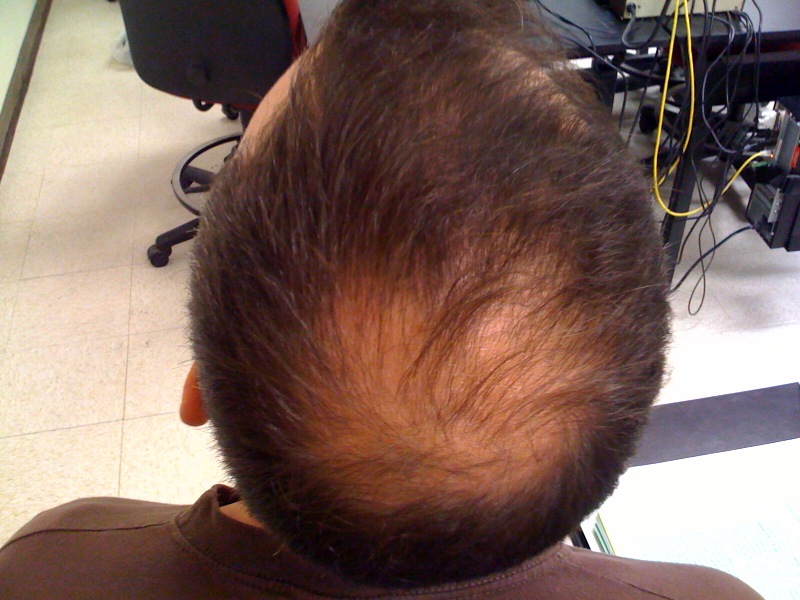
Stem cell therapy for alopecia is performed under local anaesthesia and usually takes between one and two hours. The process is straightforward, involving several well-defined steps designed to ensure precision and comfort for the patient.
1 – Extraction: A small amount of fat tissue or bone marrow is collected, typically from the abdomen or hip area. This sample contains stem cells with regenerative potential.
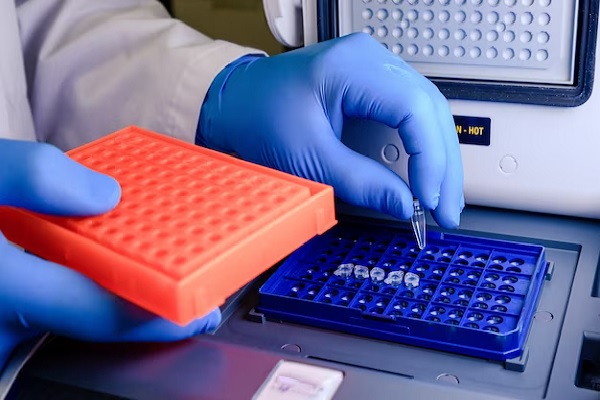
2 – Processing: The collected tissue is processed in a sterile laboratory setting to isolate and concentrate the stem cells. This ensures a high-quality solution ready for application to the scalp.
3 – Injection: The concentrated stem cells are carefully injected into areas affected by hair thinning or baldness. The procedure is minimally invasive, leaving no visible scars.
Patients can usually resume normal activities within 24 hours. Mild swelling or redness may appear but typically resolves within a few days. Doctors often recommend gentle scalp care, avoiding heat exposure and strenuous exercise for at least 48 hours.
Is Stem Cell Therapy safe for everyone?
Stem cell therapy is generally considered safe, as it uses the patient’s own biological material, eliminating the risk of immune rejection or allergy. However, not everyone is an ideal candidate. Individuals with active scalp infections, autoimmune disorders, or certain chronic diseases should undergo a thorough medical evaluation before treatment. Pregnant or breastfeeding women are also advised to postpone the procedure.
It is essential to discuss any underlying health conditions or medications with a qualified specialist, as some medications can cause hair loss and influence the effectiveness of regenerative treatments. By following medical advice and undergoing proper assessment, patients can ensure that stem cell therapy is both safe and beneficial for their specific condition.
Faq’s

How effective is stem cell therapy for alopecia?
Stem cell therapy has shown promising results in stimulating dormant hair follicles and improving scalp density. Its effectiveness varies depending on the cause and severity of hair loss. Many patients experience visible improvement within months as follicle activity increases. Combining this procedure with hair mesotherapy can enhance nourishment at the root level, supporting stronger and healthier regrowth over time.
Is the treatment painful?
The procedure is generally well tolerated, as it is performed under local anaesthesia. Patients might feel mild pressure or discomfort during injections, but this is temporary. After the session, the scalp may feel slightly sensitive for a day or two. Post-treatment care and complementary therapies, such as PRP treatments results, can further soothe the scalp and support natural recovery.
How long do results last?
Results can last from one to several years, depending on individual response, lifestyle, and ongoing care. Some patients benefit from maintenance sessions to preserve thickness and follicle activity. Supporting treatments can extend results by improving blood circulation and follicle strength, keeping the scalp in optimal condition.
Can stem cells replace a hair transplant?
Stem cell therapy does not replace a surgical hair transplant but offers a regenerative, non-surgical alternative. It enhances follicle health, density, and scalp vitality, which may delay or complement transplant procedures. In some cases, it improves the survival rate of transplanted grafts.
Are there risks or side effects?
Stem cell therapy is considered very safe because it uses the patient’s own biological material. Mild redness or swelling may appear but usually resolves within a few days. Serious complications are rare. It’s important to discuss any pre-existing medical conditions with a specialist to ensure the best and safest outcome.
Conclusion
Stem cell therapy for alopecia represents one of the most promising developments in modern regenerative medicine. By using the body’s own biological material, this treatment promotes natural hair growth, restores follicle activity, and improves scalp health without the need for surgery. Its ability to stimulate regeneration at a cellular level makes it a safe and effective option for many people experiencing hair loss.
However, it is essential to remember that each case of alopecia has unique causes and characteristics. A thorough medical evaluation helps determine whether stem cell therapy is the most suitable approach, considering factors such as overall health, medications, and the type of hair loss involved. Consulting a qualified specialist ensures realistic expectations and tailored care.
As research continues, this therapy offers new hope for patients seeking long-term, natural results. When combined with other regenerative methods, like PRP treatment, stem cell therapy can further enhance hair restoration, offering a comprehensive approach to scalp and follicle recovery.


Responsable – CAPIL SOLUTIONS. S.L
*Términos y condiciones
Finalidad – Dar respuesta a las solicitudes de información, y poder enviarle nuestras publicaciones, promociones de productos y/o servicios, gestionar los comentarios en el blog
Derechos Arco - Acceder, rectificar y suprimir los datos, así como otros derechos, como se explica en la información adicional.
info@capilclinic.us
Legitimación – Consentimiento
Destinatarios – No se cederán datos a terceros salvo obligación legal
Política de privacidad – Puede consultar nuestra política de privacidad aquí
*Política de privacidad