

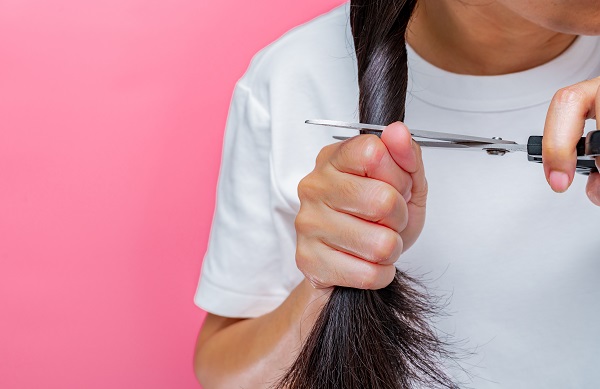
Beauty standards may change over time, but hair’s impact on one’s perceived beauty remains constant. People often base a significant portion of their self-worth on their hair, as finding the right hairstyle can greatly boost their confidence. Hair loss is a common experience, whether it occurs as a natural part of aging, due to lifestyle changes, or as a result of a medical condition. One frequent question that our patients ask is, “Can You Donate Hair to Someone Else?”. Let’s talk about it.
While regular shampoos and hair products are designed to help with typical hair loss, more complex cases require different solutions. Wigs are an effective way to conceal severe hair loss caused by treatments such as radiotherapy, especially in cases of recurring treatments. Hair loss can occur at any age, even in children. Using real hair to create wigs offers a viable solution that looks natural, is easier to maintain, and can stay in place during physical activities.
Synthetic wigs may not provide a realistic appearance, making wigs made from real hair a preferable option. Donated human hair is used to create these wigs, allowing individuals to contribute to this cause by donating their own hair. This blog post will discuss various ways in which you can donate your hair, whether you’re considering a haircut during quarantine or simply looking to make a positive change. Stay tuned for more information.
What exactly is Hair Donation?
Hair donation involves severing a significant portion of one’s hair. The hair is then presented to an organization that uses it to fabricate wigs. These wigs are for people who have experienced hair loss due to medical problems such as cancer or alopecia.
Who Can Donate?
Hair donation organizations typically have specific criteria for donated hair. Generally, the hair should be healthy, untreated with chemicals, and meet a minimum length specified by the organization.nt set by the organization.
Can You Donate Hair to Someone Else?
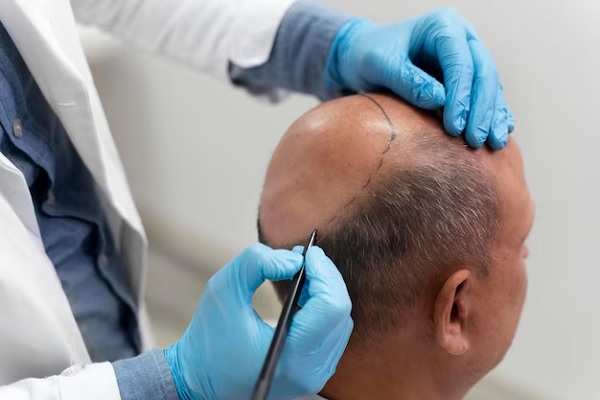
You may be wondering why you must donate your hair to another person when there are numerous methods available to improve the condition of the hair. It is not possible to treat all cases of significant hair loss using the traditional treatments that are now available.
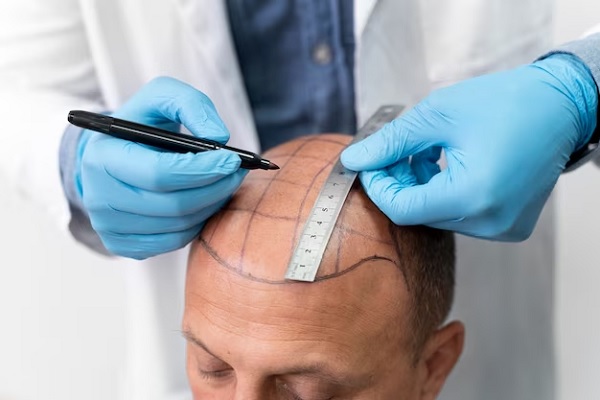
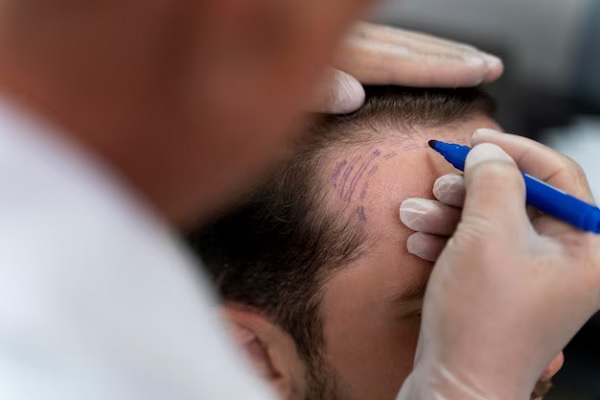
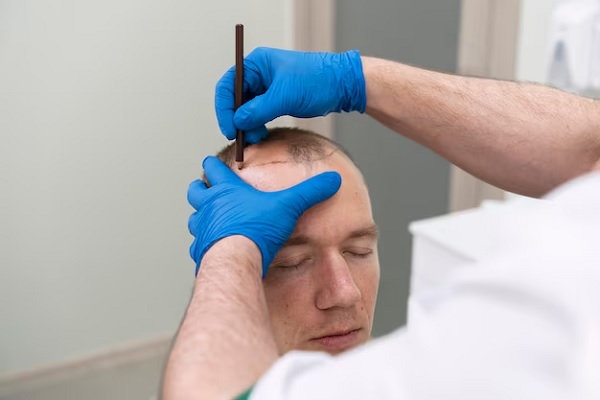
Our immune systems have been programmed to reject foreign bodies like hair follicles. That’s why we are unable to donate to them under any circumstances. We may be forced to resort to hair transplants or wigs instead. A hair transplant involves making slightly invasive incisions in the recipient area to transfer hair from the donor area to the recipient area. The hair transplant specialist, on the other hand, can only remove the grafted hairs from another region of the patient’s body.
People can now donate hair in various ways, and the different methods are available in greater quantities. In most cases, hair donation collecting centers anticipate receiving at least four ponytails of hair from potential donors. Therefore, when you donate hair, you should anticipate that the minimal requirements are a substantial amount of mass and length combined. You can donate hair, but only to organizations that specialize in producing wigs for individuals experiencing severe hair loss.
Why Should You Donate Hair?
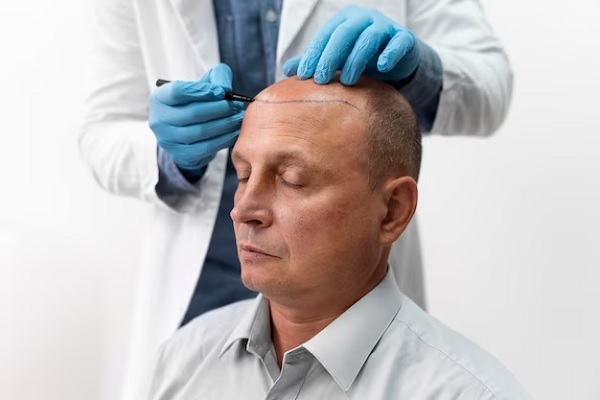
Nowadays, hair loss occurs rather frequently. It does not consider criteria such as age or gender, although it impacts a significant portion of the population. Certain disorders, on the other hand, might lead to more severe kinds of hair loss, often known as alopecia.
There is a medical illness known as alopecia areata, in which the immune system rejects hair follicles. That is because it views them as an unwanted foreign entity and, as a result, a threat. Therefore, it interferes with the flow of blood and nutrients to the follicles, which results in the follicles falling out regularly. While the hair can regrow, the cycle will soon end, and the hair will fall out.
Baldness can develop when the amount of hair shed is greater than the amount of hair created. On the other hand, chemotherapy treatments are an excellent remedy for cancer patients. Nevertheless, the radioactive radiation produced is capable of killing cancer cells and hair follicles. Most of the time, it causes a temporary loss of hair.
Struggle with medical illnesses
It is a well-known fact that society places a large amount of importance on our physical appearance. Our hair plays a vital role in this regard. If this is the case, then someones who experience these situations are already engaged in a struggle with their medical illnesses
Additionally, they may suffer some challenges with their mental health. Problems with self-esteem and self-image, as well as depression, anxiety, and related disorders, can fall into this category. Several studies have demonstrated that individuals who are battling cancer are also at risk of experiencing psychological issues.
Your hair will finish its entire cycle within 28 days to five weeks. This is also dependent on your genes; however, during this time period, your hair will grow to a great degree. Your hair bundles will be accepted by many organizations founded specifically for this purpose.
It is extremely rare for a single donor to provide enough hair for the creation of a wig. Hence, these hair donation collection centers require a limitless number of hair donations. Your contributions have the potential to boost someone’s self-confidence.
The Process of Hair Donation
-
Step 1: Research and Choose an Organization
When considering donating your hair, it’s important to take the time to thoroughly research your options. Look for reputable organizations with a proven track record of using donated hair for good causes. It’s essential to ensure that your donation will be put to meaningful use.
Be sure to choose a group with a clear plan and a documented history of making a positive impact. Research before you start the process of donating your hair. Look for groups that have a clear plan and a history of doing good work.
-
Step 2: Check the Requirements
Different organizations may have different standards when it comes to grooming. Therefore, it is essential to ensure that your hair meets the specific requirements for both its length and overall condition as set forth by each organization.
-
Step 3: Schedule the Cut
Remember to schedule a meeting with a stylist once you have chosen a charitable organization. They should have confirmed that you meet their donation criteria. It’s important to communicate your specific donation requirements clearly and in detail to the stylist.
-
Step 4: The Cut
Prior to your appointment, ensure that your hair is securely fastened and covered according to the guidelines of the organization. The stylist will be trimming it to the specific length as instructed.
Common Myths and Realities
Although hair donation is a commendable act, certain myths can discourage future donors. An enduring misconception is that donated hair must be in its virgin state, implying that it has never undergone any chemical treatment. Although several organizations prefer natural hair, many are willing to accept hair that has been dyed or chemically treated as long as it fits the specified criteria for length and condition.
Another fallacy is the belief that only specific hair kinds are deemed acceptable. Indeed, the majority of organizations embrace hair from diverse ethnic backgrounds and a variety of hair textures. This inclusion guarantees that a wide array of people can reap the benefits of donors’ philanthropy.
It is important to note that not all hair donated is immediately utilized in producing wigs. Specific organizations monetize hair donations to finance their operations or contribute to other philanthropic endeavors. Donors ought to conduct thorough research and carefully select an organization that demonstrates practices that align with their personal beliefs and objectives for making a commitment.
Requirements for Donating Hair
Your hair must fulfill some prerequisites before it can be considered acceptable. However, there’s a fact that there is a demand for hair donors. There are many of them, including:
-
Length
It is possible that you will not be able to part with your locks if you have short hair. Generally speaking, the bare minimum length of hair can be donated is eight inches. Hair collection businesses, on the other hand, are more interested in hair that is longer than 12 inches because it is simpler to utilize for producing wigs.
You can wait for your hair to grow out before you get it shaved or look for organizations that accept shorter hair lengths if it is not up to 12 inches long.
-
Donating hair that has been treated
If you’ve colored your hair, you may not be able to donate it. Hair with highlights, perms, or unnatural colors is rarely accepted by most organizations. If you are considering donating your hair, it’s best to avoid these types of treatments to make it more suitable for donation.
-
The texture and appearance of the hair
There is a variety of hair types among us. Some individuals are fortunate enough to have hair that is soft and fine, while others have hair that is coarse or medium in texture. As long as the hair is in its natural state, it is acceptable for anyone to donate their hair to a facility that accepts donations.
The density of the hair is yet another condition that you must consider. Although it is common practice for your donation groups to combine contributions, this does not change the fact that you are required to provide a large density, which is often a minimum of four ponytails.
If you are getting your hair cut at a salon that accepts donations, the stylists will take care of everything for you. On the other hand, if you are doing it at home, you can divide your hair into four sections, beginning in the precise middle of your head. To keep them in place, you can use some rubber bands. Then, cut the bundles about an inch above them. It is expected that this will generate sufficient volume from a single donor.


Responsable – CAPIL SOLUTIONS. S.L
*Términos y condiciones
Finalidad – Dar respuesta a las solicitudes de información, y poder enviarle nuestras publicaciones, promociones de productos y/o servicios, gestionar los comentarios en el blog
Derechos Arco - Acceder, rectificar y suprimir los datos, así como otros derechos, como se explica en la información adicional.
info@capilclinic.us
Legitimación – Consentimiento
Destinatarios – No se cederán datos a terceros salvo obligación legal
Política de privacidad – Puede consultar nuestra política de privacidad aquí
*Política de privacidad