

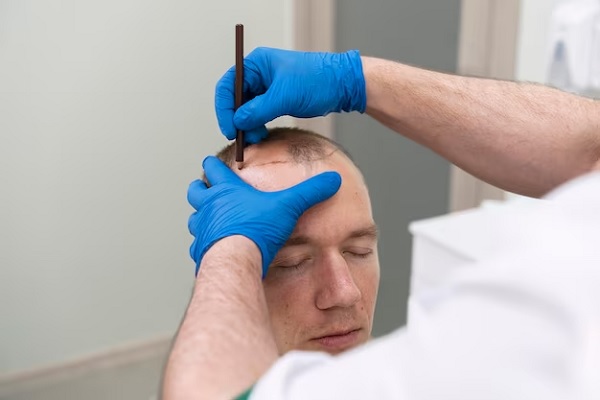
Hair loss affects millions worldwide, and thanks to modern innovations, hair transplant techniques have evolved dramatically. From the traditional FUT (Follicular Unit Transplantation) to the advanced FUE (Follicular Unit Extraction), DHI (Direct Hair Implantation), ARTAS robotic systems, and even hair transplant without shaving, there are now options tailored to every patient’s needs. Understanding the differences between these methods, their costs, and expected outcomes is essential for making an informed choice.
In this article, we will explore the best hair transplant technique for various scenarios, compare results, and highlight what you need to know before undergoing surgery. We will also discuss emerging options like the no-shave FUE hair transplant and sapphire FUE hair transplant, and explain how a hair transplant works, so you can feel confident in choosing the right approach for you.
How does a hair transplant work?
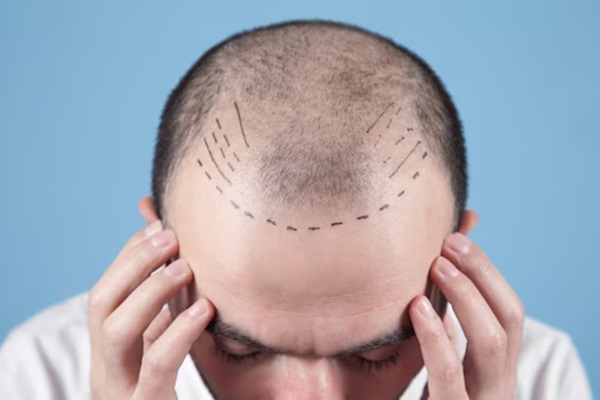
Understanding how a hair transplant works is the first step for anyone considering hair restoration. The procedure generally follows three main stages: extraction, implantation, and recovery. During extraction, healthy hair follicles are carefully removed from a donor area, typically the back or sides of the scalp. These follicles are then implanted into areas experiencing thinning or baldness, ensuring natural density and growth. After the procedure, the scalp enters a recovery phase, during which the newly implanted hairs gradually begin to grow, restoring a fuller appearance over time.
There are different hair transplant techniques, each suited to particular needs. Manual methods rely on the surgeon’s expertise, allowing precise placement of each follicle to achieve a completely natural look. Automated techniques, on the other hand, use specialised devices to speed up the process while maintaining accuracy, making them ideal for larger procedures or patients seeking reduced operating times. Choosing the right technique depends on factors like hair density, scalp condition, and desired results.
Two key elements make a hair transplant successful: the hairline design and effective anaesthesia. The hairline must be carefully tailored to the patient’s facial features and age, as this greatly influences the overall appearance. Meanwhile, anaesthesia ensures the procedure is comfortable, allowing the surgeon to work efficiently without causing discomfort.
At Capilclinic, each technique is adapted to the patient’s needs and expectations, combining advanced methods with personalised care. Whether opting for manual precision or automated efficiency, patients can be confident that their hair restoration journey is carefully planned for optimal, natural-looking results.
Get your personalized evaluation with Capilclinic experts
FUE Hair Transplant – The most popular technique worldwide
Unlike traditional strip methods, FUE involves the extraction of individual hair follicles from the donor area, usually at the back of the scalp, and implanting them into thinning or balding regions.
The FUE method is minimally invasive, which allows patients to experience faster recovery times and less post-operative discomfort. Scarring is minimal, often invisible to the naked eye, making it an ideal choice for individuals who prefer short hairstyles.
Despite its popularity, FUE has certain limitations. The procedure is time-consuming, especially for larger sessions, as each follicle must be meticulously extracted and implanted. Additionally, it requires a high degree of precision from the surgeon, meaning that results can vary depending on the clinic’s expertise.
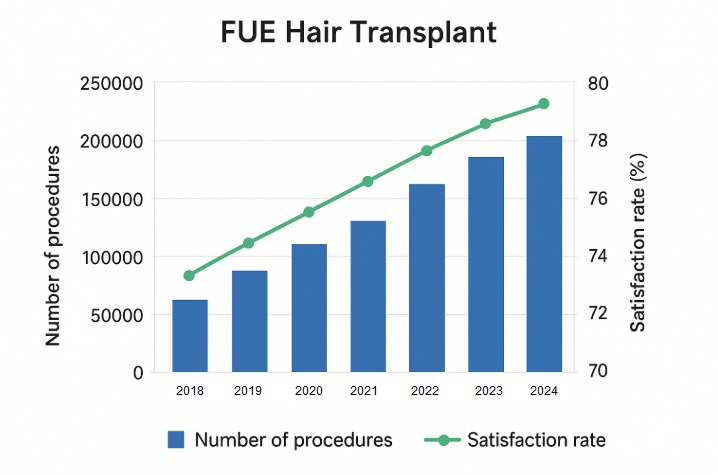
Over the years, several FUE variants have emerged to cater to specific patient needs. For patients unwilling to shave their donor or recipient areas, no-shave FUE hair transplant is a suitable solution. This method extracts follicles from longer hair, allowing patients—especially women and professionals—to maintain their existing hairstyle during the procedure. Although slightly longer in duration and more technically demanding, the results are natural and discreet.
Sapphire FUE hair transplant uses sapphire blades instead of traditional steel ones for creating recipient sites. The blades are sharper and smoother, enabling more precise incisions, denser implantation, and faster healing.
On the other hand, FUE hair transplant focuses on fine detailing, particularly for shaping the frontal hairline. Using ultra-small grafts, surgeons can refine the natural hairline, ensuring subtlety and realism in the transplanted area.
-
Use case: Ideal for patients seeking minor corrections or enhancements without a full transplant.
-
Technique: Employs smaller grafts for delicate placement along the hairline, often complementing standard FUE sessions.
DHI Hair Transplant – Precision and Density in one step
Direct Hair Implantation (DHI) is a modern hair transplant technique designed to provide maximum precision and density in a single procedure. Unlike traditional FUE, DHI uses a specialised tool known as the Choi implanter pen, allowing surgeons to implant hair follicles directly into the recipient area without creating prior incisions.
The Choi implanter pen is a fine, needle-like device that holds individual hair follicles. Surgeons load each follicle into the pen and insert it directly into the scalp at the desired angle and depth. Advantages over manual implantation include:
-
Greater precision: Each follicle is placed exactly where needed, ensuring a natural growth pattern.
-
Higher density: Close placement is possible without damaging surrounding follicles.
-
Reduced trauma: The scalp experiences minimal incision-related stress, speeding up healing.
DHI is particularly popular in countries such as Turkey, South Korea, and Spain, where advanced hair restoration clinics specialise in precision techniques. Its adoption is growing worldwide due to superior aesthetic outcomes, especially for delicate areas like the frontal hairline.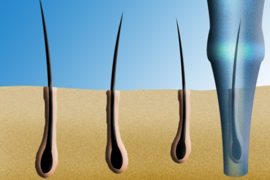
On the other hand, it has some drawbacks, like:
-
Higher cost: The technique is more resource-intensive and demands experienced surgeons.
-
Limited availability: Only advanced clinics with skilled staff typically offer DHI.
The cost of a DHI hair transplant in Turkey is $2,500 – $3,500 per session, as it offers competitive pricing and high-quality care. In the US, its cost is $6,000 – $12,000, reflecting higher clinic overheads and surgeon fees.
| Technique | Avg. Cost (USD) | Recovery Time | Density | Best For |
|---|---|---|---|---|
| FUE | $1,800–$2,500 | 7–10 days | High | Large areas |
| DHI | $2,500–$3,500 | 5–7 days | Very High | Front hairline |
FUT Hair Transplant – The traditional technique
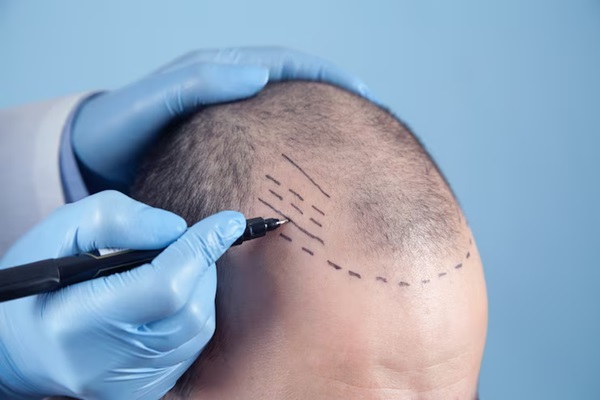
The FUT (Follicular Unit Transplantation) method, also known as the strip technique, is one of the earliest hair transplant procedures. Developed in the mid-20th century, it involves removing a thin strip of scalp from the donor area, usually at the back of the head. The strip is then carefully dissected into individual follicular units under a microscope and implanted into thinning or bald areas. For decades, FUT was the standard procedure for restoring hair and delivering natural-looking results.
Despite its historical success, FUT has largely been replaced by FUE and DHI techniques. These newer methods are minimally invasive, leave barely visible scars, and allow for quicker recovery. Patients increasingly prefer FUE or DHI due to these advantages, alongside the ability to target smaller areas with higher precision. Nevertheless, FUT still has a place in modern hair restoration.
FUT is particularly suitable for patients requiring large-scale hair restoration. Because a single strip can yield a significant number of grafts, surgeons can cover extensive balding areas efficiently. Additionally, FUT may be considered when donor hair is limited, as extracting a strip ensures maximum utilisation of available follicles. It is also sometimes chosen when patients have tight scalps, making individual follicle extraction more challenging.
However, FUT does involve linear scarring, which may be visible with very short hairstyles, and a longer recovery period compared to FUE and DHI. The procedure also tends to be more uncomfortable post-operatively, although most patients find the results worth the brief inconvenience.
ARTAS Robotic Hair Transplant – Technology meets precision
The ARTAS robotic hair transplant represents a major leap in hair restoration, combining advanced robotics with artificial intelligence to enhance precision and efficiency. The ARTAS robotic hair transplant system uses sophisticated imaging and AI algorithms to identify the healthiest hair follicles, extract them with minimal trauma, and implant them accurately in the recipient area. This automated approach reduces the risk of human error and ensures consistent results across the entire procedure.
One of the key advantages of the ARTAS system is its precision. The robot can select follicles with exceptional accuracy, optimising density and angle for a natural look. Speed is another benefit, as the automated system can perform repetitive tasks faster than manual methods, reducing overall procedure time. Additionally, the minimally invasive nature of the technique often leads to faster recovery and less scarring compared to traditional methods.
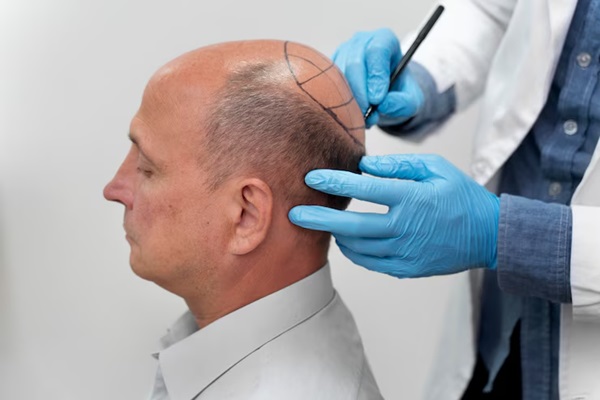
However, there are some considerations. The ARTAS robotic hair transplant comes at a higher price point and is typically only available in premium clinics. Access to the technology can be limited depending on location, and not all cases may require robotic assistance, particularly in smaller transplant areas.
ARTAS robotic hair transplant reviews from patients highlight impressive results, with many praising the natural appearance and uniform growth achieved through the system. While experiences vary depending on individual circumstances, the majority report satisfaction with both the procedure and recovery process.
Anaesthesia in hair transplant procedures

If you’re wondering do you need anesthesia for hair transplant, the answer is yes – it plays a crucial role in ensuring comfort and safety throughout the procedure. Hair transplant surgeries, including FUE, DHI, and ARTAS robotic hair transplant, require local anaesthesia to numb the scalp and prevent discomfort during follicle extraction and implantation.
There are several types of anesthesia for hair transplant. Traditional local anaesthesia involves injections to numb the donor and recipient areas. For patients seeking a gentler experience, needle-free anaesthesia uses advanced systems to deliver numbing agents without puncturing the skin. Sedation can also be offered for those with anxiety or sensitivity, providing relaxation while remaining awake and responsive. The choice of anaesthesia depends on the patient’s preference, medical history, and the scale of the procedure.
The application varies slightly between techniques. In FUE and DHI, anaesthesia is administered to both the donor and recipient areas to allow precise follicle extraction and implantation. In ARTAS robotic procedures, local or needle-free anaesthesia ensures the patient remains comfortable while the AI-assisted robot performs delicate follicle harvesting with high precision.
While anaesthesia is generally safe, patients should be aware of potential risks, such as mild swelling, temporary numbness, or rare allergic reactions. Postoperative care includes following the surgeon’s instructions, avoiding strenuous activity, and monitoring the treated areas for any unusual symptoms.
Capilclinic uses needle-free anaesthesia systems for maximum comfort during all procedures.
FAQs – Hair Transplant Techniques Explained
What is the best hair transplant technique?
When considering the best hair transplant technique, it’s important to compare FUE, DHI, FUT, and ARTAS. Each method offers distinct advantages depending on hair loss type, donor area, and patient goals. FUE provides minimal scarring and medium recovery time, making it ideal for both men and women with moderate hair loss. DHI allows for more precise implantation, faster recovery, and excellent naturalness, often preferred for women and those seeking denser coverage.
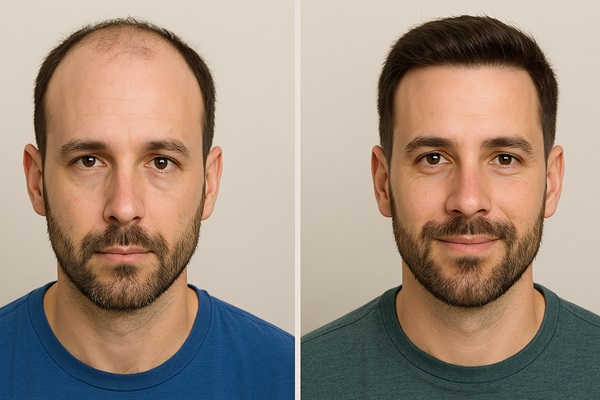
FUT is suitable for larger areas but leaves a visible linear scar and requires longer recovery. The ARTAS robotic hair transplant combines automation with precision, offering short recovery, minimal scarring, and highly natural results, particularly for premium procedures. For real-life transformations, check our hair transplant before and after gallery.
| Technique | Cost | Recovery | Scarring | Result Naturalness |
|---|---|---|---|---|
| FUE | $$ | Medium | Minimal | ★★★★☆ |
| DHI | $$$ | Short | Minimal | ★★★★★ |
| FUT | $$ | Long | Visible | ★★★☆☆ |
| ARTAS | $$$$ | Short | Minimal | ★★★★★ |
Is DHI better than FUE?
DHI generally offers higher natural density due to direct implantation, faster recovery, and minimal scarring. FUE is slightly less expensive and highly effective for moderate hair loss, but may take longer to achieve optimal density. The best hair transplant technique for women is frequently DHI, as it allows implantation without shaving the entire scalp. For men with advanced balding, FUE or ARTAS may be preferable. For detailed cost comparisons and procedure planning, see our hair transplant cost guide.
Do you need anaesthesia for hair transplant?
Yes. Anaesthesia is essential for comfort during FUE, DHI, FUT, and ARTAS procedures. Options include local anaesthesia, needle-free systems, or mild sedation, depending on patient preference. Anaesthesia ensures a painless experience while allowing precise extraction and implantation of follicles.
Can you get hair transplant without shaving head?
Hair transplant without shaving is possible for certain patients, including women, executives, or those with mild thinning. The procedure involves extracting and implanting follicles from donor areas while leaving surrounding hair intact to conceal the process. Recovery is similar to standard FUE or DHI, but the procedure may take longer and can incur additional costs due to the meticulous technique required.


Responsable – CAPIL SOLUTIONS. S.L
*Términos y condiciones
Finalidad – Dar respuesta a las solicitudes de información, y poder enviarle nuestras publicaciones, promociones de productos y/o servicios, gestionar los comentarios en el blog
Derechos Arco - Acceder, rectificar y suprimir los datos, así como otros derechos, como se explica en la información adicional.
info@capilclinic.us
Legitimación – Consentimiento
Destinatarios – No se cederán datos a terceros salvo obligación legal
Política de privacidad – Puede consultar nuestra política de privacidad aquí
*Política de privacidad