

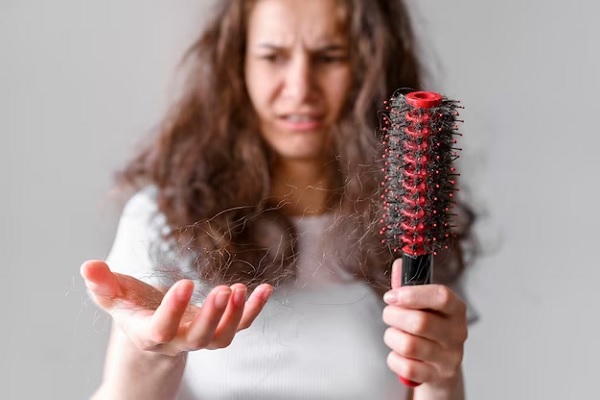
Hair loss can be distressing, especially when it seems to start suddenly. For many people, it comes as a surprise to learn that certain prescription drugs can trigger or worsen hair shedding. Understanding medications that cause hair loss is the first step towards managing it effectively. This article aims to inform and reassure readers who may be experiencing this side effect.
While drug-induced hair loss can feel alarming, it’s often temporary and reversible once the medication is adjusted or discontinued. Not everyone will experience the same reaction, and the severity varies depending on the drug, dosage, and individual response. Here, we’ll explore which medications are most commonly linked to hair loss, why it happens, and what you can do about it. With professional guidance and proper treatment, it’s possible to restore your hair health and confidence.
Several types of medications can trigger temporary or, in some cases, prolonged hair loss. The effect often depends on how the drug interacts with hair growth cycles or hormone levels.

-
Chemotherapy Drugs
These medications target rapidly dividing cancer cells but can also affect the hair follicles, which grow quickly as well. The result is anagen effluvium, leading to sudden and widespread hair shedding. Hair usually regrows once treatment ends, although texture or colour changes can occur during regrowth. -
Anticoagulants (Blood Thinners)
Medications like warfarin or heparin can cause telogen effluvium, pushing hairs into the resting phase too early. This process results in diffuse thinning across the scalp. Hair loss often becomes visible a few months after starting therapy and typically reverses once the drug is stopped. -
Antidepressants
Some selective serotonin reuptake inhibitors (SSRIs) and tricyclic antidepressants may alter hormonal balance or nutrient absorption, leading to hair shedding. The reaction is uncommon but can appear several months after beginning treatment and may improve with dose adjustment.

-
Steroids and Hormonal Drugs
Long-term use of corticosteroids or hormonal therapies can disrupt natural hormone production. In men and women, this may accelerate pattern baldness or cause general thinning. Certain hormonal medications, like Spironolactone, help rebalance these effects in women experiencing hair loss linked to hormones. -
Anabolic Steroids
Used to enhance muscle growth, anabolic steroids can increase levels of dihydrotestosterone (DHT), a hormone strongly linked to hair follicle shrinkage. This can trigger or worsen male pattern baldness. -
Beta-Blockers and Blood Pressure Medications
Drugs used for hypertension, such as propranolol or atenolol, may influence blood flow to the scalp or disrupt the natural hair cycle, leading to shedding. -
Topical Medications
Even some topical treatments can cause local irritation or inflammation. For instance, individuals using hair regrowth products may experience scalp itching or redness.
Choosing between continuing, switching, or treating around the drug
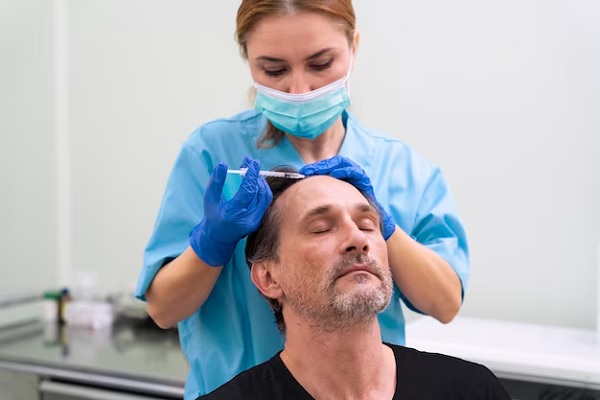
When medication-related hair loss occurs, patients and doctors must decide whether to continue, modify, or complement the current treatment. The best approach depends on the type of drug, the severity of hair shedding, and the importance of the medication for overall health. The table below outlines common scenarios and general recommendations.
| Scenario | Recommended Action | Expected Recovery Time |
|---|---|---|
| Hair loss is mild and the medication is essential (e.g. for chronic illness) | Continue medication and add supportive treatments to strengthen follicles. Maintain good nutrition and scalp care. | 3–6 months after initiating supportive care |
| Hair loss is moderate but medication alternatives exist | Discuss switching to another drug with similar efficacy but fewer side effects. Combine transition with treatments to promote regrowth. | 4–8 months, depending on hair cycle and response |
| Hair loss is severe and significantly affects quality of life | Consult your doctor about adjusting the dosage or introducing topical solutions to counteract shedding. Add non-pharmacological therapies for faster recovery. | 6–12 months for visible improvement |
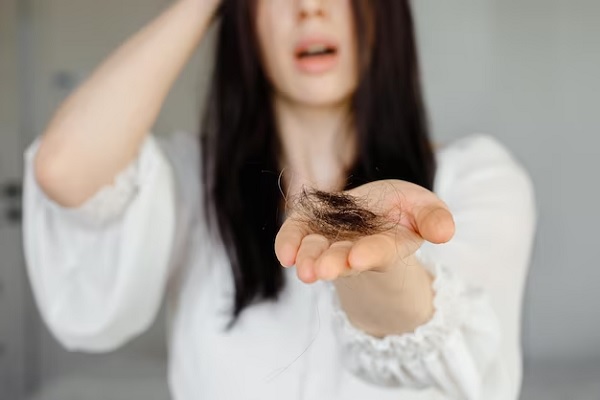
In some situations, temporary shedding may stabilise even without major changes to medication. However, abrupt discontinuation can pose health risks and is never recommended without professional supervision.
The key is collaboration between the patient and the physician. A medical professional can assess whether hair loss is drug-induced, determine safe alternatives, and propose supportive treatments that fit the individual’s needs. Combining medical guidance with restorative options like hair laser therapy and hair mesotherapy often yields the best cosmetic and psychological results. Always seek tailored advice before altering or stopping any prescribed medication.
Management strategies & when to see a specialist
Managing hair loss linked to medication requires a structured, medically guided approach. The first step is to consult a qualified doctor or dermatologist who can evaluate whether the shedding is truly drug-related or if other factors, such as stress or nutritional deficiencies, are involved. A detailed medical history, along with blood tests and scalp analysis, can help identify the root cause and rule out other conditions.
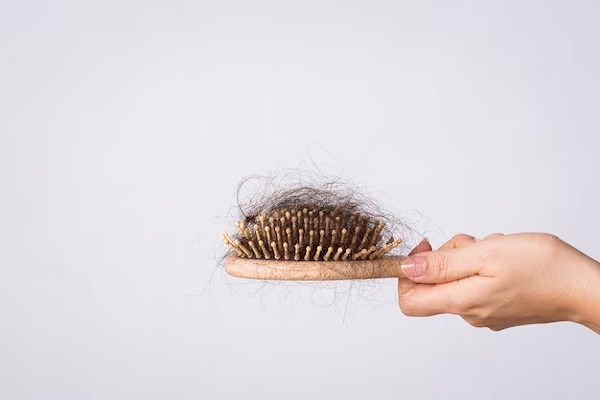
Once the cause is confirmed, treatment focuses on controlling the trigger while supporting regrowth. In mild cases, simple adjustments—such as changing dosage or timing—may be enough. For persistent cases, topical or clinical therapies can be introduced to stimulate follicles and improve density. Non-invasive solutions like hair bioplasty and tricopigmentation also provide aesthetic improvements, helping patients restore confidence while natural regrowth occurs.
If hair loss progresses rapidly, becomes patchy, or leads to scalp inflammation, a specialist should be consulted promptly. Early intervention increases the likelihood of reversing the condition and minimising long-term effects.
Practical tips for patients
-
Keep a record of when hair loss began and any medication changes.
-
Avoid self-adjusting doses or stopping treatment without medical advice.
-
Use gentle, sulphate-free shampoos and avoid excessive heat styling.
-
Maintain a balanced diet rich in protein, iron, and biotin to support regrowth.
-
Explore complementary therapies, but always under professional supervision.
Seeking timely evaluation and combining medical and cosmetic options ensures the best possible recovery, both for scalp health and overall well-being.
FAQs
Can hair loss caused by medication be reversed?
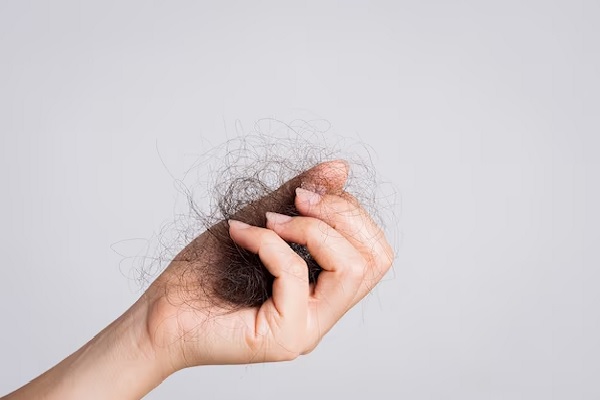
In many cases, yes. Most drug-induced hair loss is temporary and resolves once the medication is discontinued or the dosage is adjusted under medical supervision. Hair follicles usually resume normal growth within three to six months. However, the rate of recovery depends on factors such as age, overall health, and the type of drug involved. Patience and professional follow-up are essential to monitor regrowth effectively.
Can anabolic steroids cause permanent baldness?
Yes. Prolonged use of anabolic steroids can trigger irreversible hair loss, particularly in individuals with a genetic predisposition to male pattern baldness. These substances increase levels of dihydrotestosterone (DHT), a hormone that causes hair follicles to shrink permanently. Once miniaturisation occurs, regrowth becomes unlikely, even after stopping steroid use. Early discontinuation and medical assessment can help prevent further progression of androgen-related alopecia.
Why does Minoxidil sometimes cause scalp itching or irritation?
Scalp itching, redness, or mild flaking are common side effects of topical Minoxidil. These reactions are usually linked to alcohol or propylene glycol in the solution, which can dry the scalp. Switching to a foam formulation or applying a mild, fragrance-free moisturiser may help. Persistent irritation should be evaluated by a dermatologist to rule out allergic contact dermatitis, Seborrheic dermatitis or sensitivity to the active ingredient itself.
Which medications most often cause hair shedding?
Several common drugs can trigger temporary shedding. These include statins for cholesterol control, antidepressants (especially SSRIs), anticoagulants like warfarin, and beta-blockers for hypertension. Such medications can disturb the normal hair growth phases, leading to diffuse thinning known as telogen effluvium. The effect usually subsides after stopping or adjusting the medication, but medical advice is essential before making any treatment changes.
What medical tests help confirm drug-induced hair loss?
A doctor may recommend blood tests to evaluate thyroid function, hormone levels, iron stores, and essential vitamins. Trichoscopy or scalp biopsy can further identify whether hair loss is due to medication or another underlying disorder. Detailed medical history, including the timing of drug initiation, is crucial for diagnosis. Combining laboratory and clinical assessment provides the most accurate understanding of the cause.
Conclusion



Responsable – CAPIL SOLUTIONS. S.L
*Términos y condiciones
Finalidad – Dar respuesta a las solicitudes de información, y poder enviarle nuestras publicaciones, promociones de productos y/o servicios, gestionar los comentarios en el blog
Derechos Arco - Acceder, rectificar y suprimir los datos, así como otros derechos, como se explica en la información adicional.
info@capilclinic.us
Legitimación – Consentimiento
Destinatarios – No se cederán datos a terceros salvo obligación legal
Política de privacidad – Puede consultar nuestra política de privacidad aquí
*Política de privacidad