


Undergoing a hair transplant is a life-changing decision, but the procedure itself is only the first step towards achieving natural and lasting results. The real success depends on how well you follow the after hair transplant care instructions. Proper hair transplant aftercare helps the grafts heal correctly, reduces complications, and ensures strong and healthy hair regrowth over time.
This guide explains everything you need to know after hair transplant — from daily care routines and recovery milestones to managing temporary symptoms such as swelling, redness, or pain. You’ll also learn how to identify normal signs of healing versus possible warning symptoms. Understanding the full hair transplant recovery process can make a big difference in achieving the final, natural look you expect.
Whether you are wondering when you can wash your hair, how to sleep, or what to avoid during the first few weeks, this complete guide provides clear and practical advice to help you recover confidently and care for your new grafts the right way.
What to expect after hair transplant
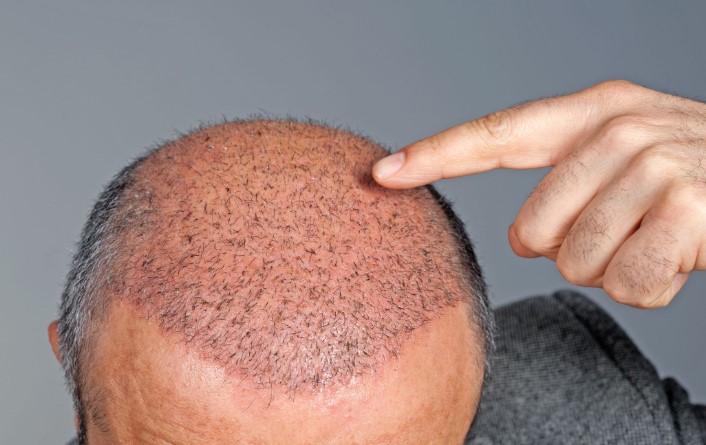
In the first few weeks after hair transplant, your scalp goes through several stages of healing. It’s important to understand what’s normal and what requires attention. Swelling, redness, and light discomfort are part of the body’s natural recovery process. With proper hair transplant aftercare, these symptoms gradually improve as your scalp heals and new hair begins to grow.
During hair transplant recovery, each day counts. Here’s what typically happens:
-
Days 1–3: Rest is essential. Mild swelling and redness are common. Avoid touching or pressing the scalp.
-
Days 4–7: Crusts form around grafts; light itching may occur. Clean gently using saline spray or mild shampoo.
-
Week 2 onwards: Some transplanted hairs start to fall out (known as “shock loss”). This is temporary and part of the normal process before new hair grows.
| Stage | Day Range | What Happens | Care Tips |
|---|---|---|---|
| Immediate | 1–3 | Swelling, redness | Avoid touching or putting pressure on scalp |
| Early | 4–10 | Crusts, itching | Gentle washing, use saline spray |
| Intermediate | 10–30 | Shock loss starts | Avoid gym, hats, alcohol |
| Late | 1–6 months | Regrowth phase begins | Use mild shampoo, monitor donor area |
Some recommendations after hair transplant
In the days following a hair transplant, it’s completely natural to experience mild swelling after hair transplant, redness, and slight tenderness. These symptoms are part of your scalp’s healing response and usually resolve within the first week. The transplanted area may feel tight or sensitive, especially when you touch or move your head.
Redness after hair transplant is common and indicates healthy blood flow to the healing tissue. It generally fades within 7–10 days. Similarly, pain after hair transplant tends to be minimal and manageable with prescribed medication or mild pain relievers. Avoid scratching or rubbing the scalp, as this can disturb the grafts and slow the recovery process..

Another typical sign of healing is the formation of crusts after hair transplant. These small scabs protect the newly implanted follicles and should never be picked at or removed forcefully. They usually fall off naturally during gentle washing after a few days.
However, if redness intensifies, pain worsens, or the area becomes unusually warm or swollen, it may signal infection or irritation. Always monitor these changes carefully.
If redness or pain increases after the first week, contact your surgeon for evaluation.
Sleeping and everyday habits after hair transplant
Understanding how to sleep after hair transplant is crucial to protect your new grafts during the first few nights. Always keep your head slightly elevated, ideally at a 45-degree angle, using two pillows or a travel neck pillow. This position reduces swelling and prevents accidental contact with the pillow surface. Avoid sleeping on your side or stomach, as pressure on the grafts may dislodge them.
Make sure your pillowcases are clean and made of soft, breathable fabric such as cotton or silk. Changing them daily helps reduce the risk of infection. For extra protection, you can cover your pillow with a disposable towel during the initial days.
You may wonder when can I wear a hat after hair transplant — generally, light and loose-fitting hats can be used after 7–10 days, once the grafts have stabilised. Avoid tight caps or helmets during the first two weeks. As for when can I go to the gym after hair transplant, it’s best to wait at least 14 days before resuming exercise. Sweating and friction can irritate the scalp and increase infection risk.

Avoid touching the transplanted area unnecessarily. So, if you’re asking can I touch my head after hair transplant, do so only when cleaning gently with saline or mild shampoo. Likewise, postpone alcohol consumption for at least one week; can I drink alcohol after hair transplant is a common question, and the answer is no during early recovery, as alcohol delays healing.
Learn more about procedures that heal faster in our guide to hair transplant techniques.
Donor area after hair transplant – Healing and care
The hair transplant donor area is where healthy follicles are extracted, usually from the back or sides of the scalp. This region plays a vital role in achieving natural-looking results, so understanding how it heals is essential. During the first few days, you may notice mild redness and tenderness — both are normal signs of donor area healing after hair transplant. Small scabs form around each extraction point and typically fall off within 7–10 days.
If you’re wondering how long does donor area take to heal, the answer depends on your chosen technique. With FUE, tiny punctures close naturally within a week, leaving minimal marks. In contrast, DHI involves even finer extractions, often resulting in faster recovery and less visible redness. By two to three weeks, most discomfort subsides, and the donor area starts to blend in with the rest of the scalp.
Still asking why is my donor area red after hair transplant? Mild redness can last for several weeks as the skin regenerates, but it should gradually fade. Persistent redness, itching, or discharge could indicate irritation or infection and should be checked by your surgeon.
Be aware of risks such as donor area overharvesting or damaged donor area hair transplant, which may cause patchy appearance or visible scarring if too many follicles are removed from one region. Always follow your surgeon’s post-op instructions and avoid scratching, direct sunlight, or harsh shampoos during the healing phase.
Evaluating your grafts – Are they growing properly?
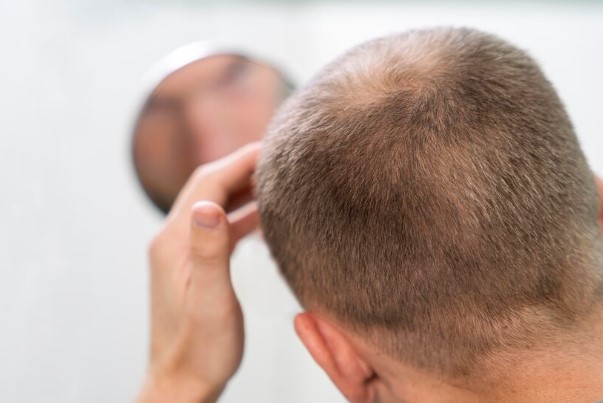
After a hair transplant, it’s natural to monitor how well your new follicles are taking. Understanding how to know if grafts are growing can help you distinguish between normal shedding and potential problems. During the first two weeks, transplanted hairs may fall out — this shedding phase is completely normal and does not affect the long-term outcome.
Signs of trouble include persistent scabbing, swelling, or areas where hairs fail to regrow after three to six months. If you notice hair grafts not growing or patchy appearance, it may indicate poor implantation, insufficient graft survival rate hair transplant, or improper post-op care. The average graft survival rate for modern techniques like FUE and DHI ranges between 85–95%, provided the procedure is performed by an experienced surgeon.
Factors influencing graft survival include the extraction and implantation method, the clinic’s expertise, and your adherence to hair transplant aftercare instructions. Asking how to tell if grafts are damaged after hair transplant involves looking for redness, pus, or failure of transplanted hairs to emerge within expected timelines. Extreme cases may result in signs of failed hair transplant, though these are rare with professional care.
How many grafts survive after FUE largely depends on surgical skill and post-op management, but following all recovery guidelines maximises success. Proper monitoring and patience are key — regrowth continues gradually over several months.
Capilclinic ensures over 90% graft survival through advanced follicular implantation techniques.
Hair Transplant results timeline – When will transplanted hair start to grow?

Many patients ask when will transplanted hair start to grow and what to expect along the way. Hair regrowth after a transplant is a gradual process, and understanding the month-by-month stages can help set realistic expectations. Initially, transplanted hairs may shed in the first few weeks — a normal phase called shock loss. After this, new hairs start emerging, slowly increasing in thickness and density over several months. Following proper hair transplant aftercare is key to achieving optimal results.
Here’s a typical hair transplant results timeline from month 0 to 12:
| Month | Stage | Visible Results |
|---|---|---|
| 1–2 | Shock loss | Temporary shedding |
| 3–4 | Early regrowth | Thin new hairs |
| 6 | Visible density | 40–50% growth |
| 9–12 | Full result | Natural, thick coverage |
During the first two months, don’t be alarmed if your transplanted hairs fall out — this is completely normal and necessary for the follicles to enter a healthy growth cycle. By months 3–4, fine hairs start to appear, gradually thickening and blending with existing hair. Around month 6, you should notice noticeable density, while the full result with natural, thick coverage is usually visible between 9 and 12 months.
To see real-life transformations, check out our hair transplant before-and-after gallery.
When to contact your surgeon
During the post-operative care phase, most symptoms such as mild swelling, redness, or tenderness are part of normal tissue regeneration and microtrauma healing process. However, there are instances when the scalp signals that something is wrong. Persistent or worsening redness, pus, excessive bleeding, or intense itching are not normal and may indicate infection or complications with donor extraction healing.
It’s important to monitor your scalp daily and follow all post-transplant instructions. Keep the area clean, avoid scratching, and use only recommended shampoos or saline sprays. Rest, hydration, and gentle care support the natural healing of both the transplanted grafts and donor site.
Whenever you observe symptoms that deviate from the expected recovery process, don’t hesitate to seek professional advice.
FAQs – After hair transplant questions answered
What should I not do after hair transplant?
Avoid touching or scratching the scalp, using harsh shampoos, rubbing the grafts, or wearing tight hats. Do not use a hairdryer, go to the gym, or consume alcohol in the first week. Gentle care and rest help the grafts settle and improve hair transplant recovery.
When can I wash my hair after hair transplant?
You can usually wash your hair 48–72 hours post-op using mild, pH-neutral shampoo or sulfate-free products. Gently apply with fingertips, avoid rubbing grafts, and pat dry. How to wash hair after FUE transplant properly ensures scabs fall off naturally without disturbing follicles.
What is shock loss after hair transplant?
Shock loss is temporary shedding of transplanted or surrounding hairs within the first 2–4 weeks. It’s normal and part of the regrowth cycle. Hairs usually regrow within a few months, contributing to healthy density.
Shock Loss after hair transplant – Is it normal?
Shock loss after hair transplant is a temporary shedding phase that affects transplanted and sometimes surrounding hairs. This is a normal part of the healing process and occurs because follicles enter a brief dormant stage before new growth begins. Many patients notice hair shedding within the first 2–4 weeks.
The scalp experiences microtrauma during transplantation, causing follicles to pause growth temporarily. This phase is expected and usually resolves naturally. If hair does not regrow after 4–6 months or bald patches persist, it may indicate graft damage or poor survival — in such cases, consult your surgeon.
| Phase | Weeks | Event |
|---|---|---|
| Temporary shedding | 2–4 | Normal follicle reaction |
| Dormant phase | 6–10 | Scalp healing |
| Regrowth | 10–16 | New follicles start appearing |
How long does the donor area take to heal?
The donor area typically heals within 7–10 days for FUE, and slightly faster for DHI. Small scabs fall off naturally, redness fades, and mild tenderness resolves. Proper care prevents scarring and ensures smooth regrowth.
When will my transplanted hair start growing?
New hairs usually appear around 3–4 months post-transplant. By month 6, density becomes visible, with full results expected between 9–12 months. Patience and adherence to hair transplant aftercare are key for optimal growth.
Conclusion
Recovery after hair transplant is a gradual process that requires patience, careful hair transplant aftercare, and consistent healthy habits. Following all instructions—from gentle washing and avoiding pressure on grafts to proper sleep and avoiding alcohol—maximises the success of your procedure. Understanding the hair transplant results timeline helps manage expectations and reduces anxiety during the early months.
Regular follow-ups with your surgeon ensure your scalp heals correctly and any issues are addressed promptly. By combining patience with diligent care, you give your transplanted hair the best chance for permanent, natural-looking growth.


Responsable – CAPIL SOLUTIONS. S.L
*Términos y condiciones
Finalidad – Dar respuesta a las solicitudes de información, y poder enviarle nuestras publicaciones, promociones de productos y/o servicios, gestionar los comentarios en el blog
Derechos Arco - Acceder, rectificar y suprimir los datos, así como otros derechos, como se explica en la información adicional.
info@capilclinic.us
Legitimación – Consentimiento
Destinatarios – No se cederán datos a terceros salvo obligación legal
Política de privacidad – Puede consultar nuestra política de privacidad aquí
*Política de privacidad