

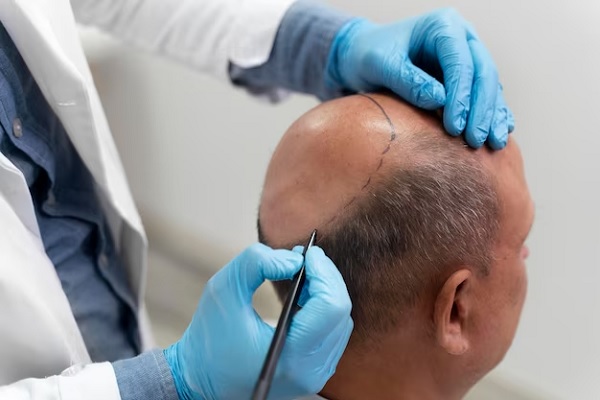
Understanding the myths and truths of hair transplant is essential to making informed decisions and avoiding unrealistic expectations. In the world of cosmetic procedures, few have garnered as much attention and fascination as hair transplantation. The quest for a full and luscious head of hair has been an age-old desire, with countless individuals seeking solutions to hair loss and baldness.
Hair transplant surgery is a safe and effective procedure, but it is important to be aware of the myths and truths surrounding it. Hair transplant for men remains one of the most popular treatments worldwide, especially due to its proven success rates. In this article, we will discuss some of the most common misconceptions about hair transplant and provide accurate information about the procedure.
How does a hair transplant work? Many believe it’s a simple or even artificial process, but in reality, it involves redistributing healthy follicles to areas of thinning or baldness. The best hair transplant clinic Turkey often uses advanced techniques like FUE and DHI, delivering highly natural-looking results. It is crucial to separate false assumptions from medically supported facts.
Another common concern is about what results to expect. Hair transplant before and after photos reveal that outcomes vary depending on each patient’s condition and the clinic’s expertise. Trusting qualified professionals helps ensure success, as well as realistic goals. By debunking these myths and truths of hair transplant, we aim to guide readers towards a better understanding and confidence regarding this life-changing procedure.
Myths and truths of hair transplant

When exploring the myths and truths of hair transplant, it’s crucial to separate fact from fiction. Many people hold outdated beliefs or misunderstandings about this medical procedure. This confusion can lead to hesitation or unrealistic expectations among those considering treatment.
1- Myth: Hair transplants are only for men
Truth
While it’s true that male pattern baldness is a common reason for hair transplants, this procedure is not exclusive to men. Women can also benefit from hair transplants, especially in cases of thinning hair or receding hairlines. Hair transplant for men is just one aspect of the broader practice. The suitability of a hair transplant depends on the individual’s unique circumstances, regardless of gender.
2- Myth: Hair transplants look unnatural
Truth
Modern hair transplant techniques, such as follicular unit transplantation (FUT) and follicular unit extraction (FUE), produce natural-looking results. Skilled surgeons take care to ensure that the transplanted hair matches the patient’s natural hairline, density, and growth pattern. When performed by an experienced specialist, results blend seamlessly with natural hair. When done correctly, it’s often challenging to distinguish transplanted hair from the existing hair.
3- Myth: All hair transplants are the same
Truth
There are different methods and approaches to hair transplantation. FUT and FUE are the two primary techniques, each with its advantages and disadvantages. The choice between them depends on factors like the patient’s preferences, the surgeon’s expertise, and the specific case. Additionally, the quality of the results can vary depending on the skill and experience of the surgeon.
4- Myth: Hair transplants are painful
Truth
Hair transplant procedures are typically performed under local anaesthesia, which means patients do not feel significant pain during the surgery. Some discomfort or soreness may occur in the days following the procedure, but this can usually be managed with over-the-counter pain relievers. Most patients describe the experience as mildly uncomfortable rather than painful. Most people report minimal pain and discomfort during the recovery period.
5- Myth: Hair transplants are immediate

Truth
Hair transplant results take time to fully develop. After the procedure, the transplanted hair will fall out within a few weeks, but this is a normal part of the process. New hair growth will gradually appear over the following months. Full results typically emerge between six to twelve months post-surgery. It can take six to twelve months or more to see the final results, so patience is essential.
6- Myth: Hair transplants work
Truth
While hair transplants are highly effective for many people, no medical procedure comes with an absolute guarantee of success. The outcome can be influenced by various factors, including the individual’s health, the surgeon’s skill, and the quality of the donor hair. A successful outcome depends on realistic expectations and proper medical consultation. It’s important to have realistic expectations and consult with a qualified surgeon to determine the potential success of a hair transplant for your specific case.
7- Myth: Hair transplants are expensive
Truth
The cost of a hair transplant can vary widely depending on factors like the type of procedure, the extent of hair loss, and the geographical location of the clinic, like the best hair transplant clinic Turkey. While hair transplants are an investment, some clinics offer financing options to make the procedure more accessible to a broader range of people. It’s essential to consider the long-term benefits and improved quality of life when evaluating the cost.
What are the types of hair transplant?
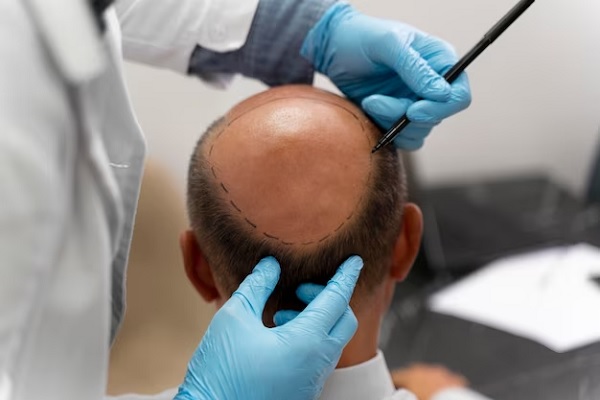
Understanding the myths and truths of hair transplant begins with knowing the techniques used in the procedure. A hair transplant is a surgical solution designed to combat hair loss by transferring hair follicles from a donor site—usually the back or sides of the scalp—to a recipient area where thinning or baldness is evident. This approach aims to restore hair density and provide a natural appearance, often boosting confidence and self-image in the process.
The two most recognised methods of hair transplantation today are Follicular Unit Transplantation (FUT) and Follicular Unit Extraction (FUE). Both techniques are effective, though each offers distinct advantages depending on the patient’s needs, hair type, and medical history.
Follicular Unit Transplantation (FUT)
FUT, sometimes referred to as the “strip method,” involves surgically removing a narrow strip of scalp containing healthy hair follicles from the donor region. This strip is dissected under a microscope into individual follicular units, each containing one to four hairs. This method allows for the transplantation of a large number of grafts in one session, making it ideal for patients requiring significant coverage in a single treatment.
Once prepared, the grafts are meticulously implanted into the recipient area following the natural growth pattern of hair. Although FUT may leave a linear scar, it is usually concealed by surrounding hair and offers high graft survival rates. The recovery time is slightly longer than FUE, but the results can be equally successful.
Follicular Unit Extraction (FUE)
FUE is a minimally invasive technique where individual hair follicles are extracted directly from the donor area using a micro-punch tool. These follicles are then implanted into tiny incisions made in the balding or thinning regions of the scalp. The process is precise and reduces visible scarring, making it a popular choice among younger patients or those who prefer short hairstyles.
The recovery time with FUE is generally shorter than with FUT, and post-operative discomfort is usually minimal. This technique is ideal for those seeking a subtle change or for individuals who require fewer grafts. In understanding the myths and truths of hair transplant, FUE is often misunderstood as less effective, but in reality, it offers impressive and natural-looking results when performed by skilled professionals.
Who is eligible for a hair transplant?
The topic of myths and truths of hair transplant often leads people to wonder who qualifies for the procedure and why. Hair transplantation is generally recommended for individuals dealing with androgenetic alopecia, which includes common male and female pattern baldness. However, it is also a suitable solution for hair loss due to trauma, burns, or certain medical conditions. Hair restoration is not limited to one specific cause and can benefit various patients.
The success of the treatment depends on numerous factors. These include the surgeon’s level of expertise, the condition and density of the donor area, and the patient’s health and goals. One key to a successful outcome is the presence of healthy donor follicles and realistic expectations from the patient. During a comprehensive consultation, the specialist can determine if you are a good candidate and explain exactly how does hair transplant work in your particular case.
A well-performed hair transplant can significantly enhance both appearance and confidence, often improving emotional well-being alongside physical image. Yet, it’s not a one-size-fits-all procedure. Every case must be assessed individually, and results may vary based on lifestyle, genetics, and aftercare. Patients must approach the treatment with both enthusiasm and caution, especially when looking for permanent solutions.
What are the benefits of hair transplant surgery?
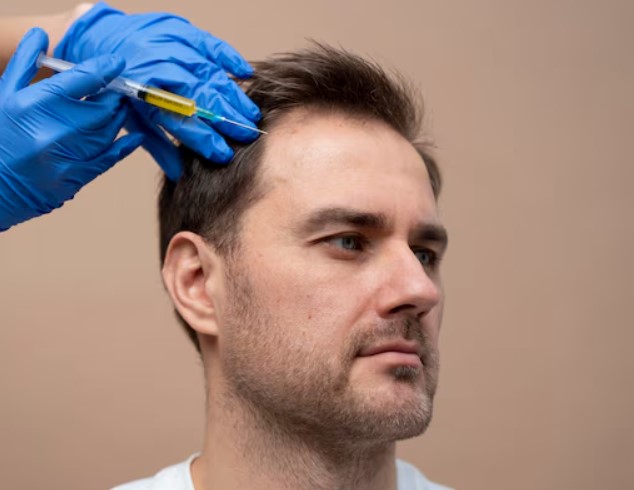
When discussing the myths and truths of hair transplant, it’s important to highlight the many benefits this procedure offers. Individuals suffering from baldness or thinning hair can experience a complete transformation that not only changes their appearance but also boosts their emotional well-being. Whether looking at hair transplant before and after photos or hearing testimonials, the results are often life-changing.
1- Natural-looking results
Hair transplant surgery uses the patient’s own follicles, making the results look authentic and undetectable. This technique ensures the transplanted hair mimics the natural growth pattern. The ability to blend seamlessly with existing hair is one of the most appreciated benefits, offering individuals a realistic appearance without revealing signs of the procedure.
2- Permanent solution
Unlike topical treatments or temporary fixes, hair transplant procedures provide long-lasting results that endure over time. The newly transplanted follicles continue to grow naturally. Once the grafts settle, they are resistant to the hormones that cause hair loss, making the solution not only long-lasting but highly reliable.
3- Improved self-esteem
A full head of hair can drastically enhance a person’s confidence and self-image. Many patients express renewed comfort in personal and professional interactions. Feeling attractive again contributes to an improved quality of life, helping individuals engage more confidently in social situations after their hair is restored.
4- Minimal maintenance
Transplanted hair behaves just like the rest of your natural hair, requiring no special products or ongoing medical treatments. You can wash, cut, and style it freely. This low-maintenance benefit is ideal for those with busy routines who seek a solution that integrates easily into daily life without added stress.
5- Customizable results
Hair transplant surgery is highly adaptable to individual preferences and expectations. Surgeons plan the procedure to match the patient’s facial structure and aesthetic goals. The personalised approach ensures that the outcome complements the person’s unique look, making each transplant both functional and aesthetically pleasing.
6- Natural hair growth
Once implanted, the hair follicles grow and shed naturally over time. This mimics regular hair cycles, adding to the authenticity of the final result. Patients can treat the new hair like their own—style it, colour it, or cut it—without worrying about damaging the grafts.
7- Scar reduction
Techniques like Follicular Unit Extraction (FUE) ensure minimal scarring, making the procedure almost undetectable. This contrasts older methods that often left visible marks. FUE’s less invasive nature allows for faster recovery and minimal discomfort, which is ideal for patients concerned about the cosmetic aftermath.
8- Versatility
Hair transplants are not just limited to the scalp; they are also used to restore hair in areas like the beard, eyebrows, and even the chest. This flexibility makes the procedure suitable for various cosmetic needs, expanding its relevance to a wider range of patients.
9- Long-term cost-effective
While initial treatment costs can be high, the long-term savings are significant compared to ongoing expenses for topical treatments, wigs, or oral medications. The one-time investment often proves more economical over a lifetime, making it an appealing option for those tired of constant maintenance.
10- Immediate results
Patients start noticing hair growth within a few months, with continued improvement over time. Full results typically appear within 9 to 12 months. These transitions offer a clear visual demonstration of progress, giving patients visible proof that the procedure works effectively.
What are the risks of a hair transplant surgery?
Hair transplantation is a widely accepted method for treating baldness and hair thinning in both men and women. Understanding the myths and truths of hair transplant is essential before undergoing this cosmetic surgery. While this procedure is often effective and yields natural-looking results, it’s crucial to acknowledge that, like any surgery, it carries potential risks.
Despite its popularity, the myths and truths of hair transplant continue to cause confusion, making it even more important for patients to rely on factual, medically reviewed information. Risks vary from person to person depending on skin type, overall health, and adherence to aftercare instructions.
1- Infection
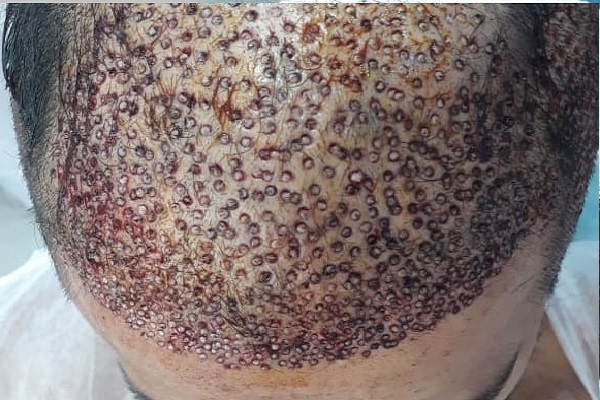
Although rare, infection is one of the risks associated with hair transplantation. Bacteria can enter the scalp if post-operative care guidelines are not followed strictly. Clinics that use sterile instruments and surgical environments drastically lower this risk. Choosing a surgeon who adheres to strict hygiene protocols is vital for avoiding infections.
Early signs of infection may include redness, swelling, or pus at the transplant site. If not treated promptly, infection can hinder healing or damage newly implanted follicles. Antibiotics are typically prescribed as a preventive measure or to treat mild infections. Patients must complete the full course to ensure full recovery.
2- Scarring
Both FUT and FUE procedures can result in visible scarring. FUT tends to leave a linear scar at the donor site, while FUE produces tiny, circular scars. The size and visibility of these scars depend heavily on the patient’s skin type and the surgeon’s technique.
Highly skilled surgeons minimize scarring by using precise incisions and ensuring proper wound closure. Most patients find that these scars fade over time and are easily concealed by surrounding hair. However, for those prone to keloids, scarring may be more pronounced and permanent.
3- Bleeding
Some bleeding is expected during and shortly after the surgery. It typically subsides within hours and is managed by applying gentle pressure to the affected area. Bleeding can increase if patients take blood-thinning medications or consume alcohol before surgery.
To minimize this risk, surgeons advise stopping certain medications in advance. Excessive bleeding, although rare, may indicate an underlying issue and should be evaluated immediately by the medical team.
4- Pain and discomfort
Mild to moderate discomfort is common in the donor and recipient areas after a hair transplant. This can include tenderness, itchiness, or a burning sensation in the scalp. Most discomfort is manageable with pain relievers prescribed by the surgeon.
Pain usually peaks within the first 48 hours post-procedure and gradually decreases. Patients are encouraged to follow care instructions closely, avoid scratching, and use cooling sprays if recommended to soothe the area.
5- Swelling
Swelling often affects the forehead and eye area, particularly during the first few days following surgery. It is a temporary side effect resulting from fluid accumulation under the skin.
To reduce swelling, surgeons may advise sleeping with the head elevated and applying cold compresses. In most cases, the swelling resolves within 4 to 7 days without any long-term issues.
6- Shock loss
Shock loss refers to the temporary shedding of both transplanted and existing hair due to trauma to the scalp. It usually begins within two to four weeks after the procedure and can be distressing for patients.
Fortunately, this is a normal part of the healing process. Hair typically begins to regrow within three to four months, and the final results are visible within a year. Proper nutrition and following medical advice support faster recovery.
7- Unnatural appearance
A poorly designed hairline or improperly placed grafts can result in an unnatural appearance. This often stems from inexperienced surgeons or miscommunication regarding aesthetic goals.
Choosing a reputable clinic with a proven portfolio is essential. Detailed consultation and digital imaging can help ensure that the final result aligns with the patient’s facial features and expectations.
8- Poor growth
In some cases, not all transplanted follicles successfully take root or grow. Factors like poor blood circulation, improper graft handling, or underlying health issues can influence the outcome.
Patients should maintain realistic expectations and understand that a second session may be necessary to achieve the desired density. Consistent follow-up with the clinic helps monitor progress and address any concerns early.
9- Allergic reaction
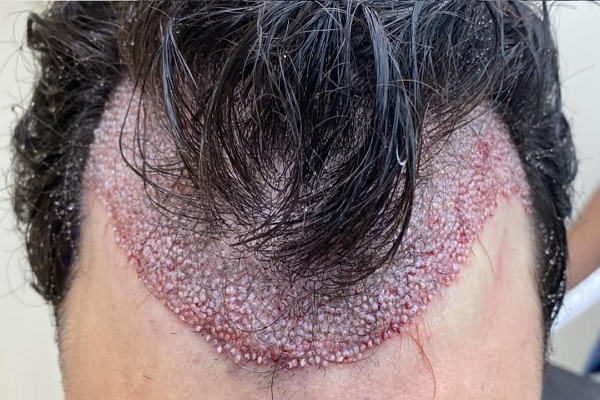
Though rare, allergic reactions may occur due to anaesthetics or antiseptic solutions used during the procedure. Symptoms include itching, rash, or difficulty breathing and should be treated immediately.
Clinics typically perform allergy tests in advance to reduce this risk. Informing your surgeon about past allergies or sensitivities can prevent complications during surgery.


Responsable – CAPIL SOLUTIONS. S.L
*Términos y condiciones
Finalidad – Dar respuesta a las solicitudes de información, y poder enviarle nuestras publicaciones, promociones de productos y/o servicios, gestionar los comentarios en el blog
Derechos Arco - Acceder, rectificar y suprimir los datos, así como otros derechos, como se explica en la información adicional.
info@capilclinic.us
Legitimación – Consentimiento
Destinatarios – No se cederán datos a terceros salvo obligación legal
Política de privacidad – Puede consultar nuestra política de privacidad aquí
*Política de privacidad