


Have you heard about Olumiant for Alopecia Areata? Alopecia areata is an autoimmune condition that causes hair loss. It is caused by the body’s own immune system attacking hair follicles, leading to inflammation and gradual hair loss. The condition is characterized by small patches of hair loss on the scalp but can progress to total hair loss on the scalp and other parts of the body. Olumiant is a medication that has shown promise in the treatment of alopecia areata.
In recent years, researchers have been exploring the potential of Olumiant for Alopecia Areata. This medication has shown encouraging results in clinical trials, demonstrating its ability to effectively manage the symptoms of alopecia areata and promote hair regrowth. By targeting the underlying immune system dysfunction that contributes to hair loss, Olumiant offers a promising treatment option for individuals struggling with this condition.
What is Olumiant?
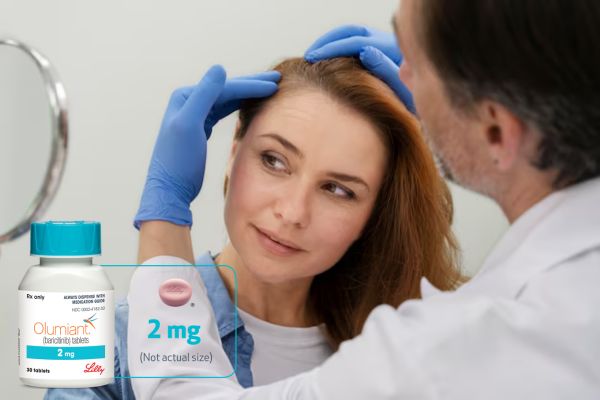
Living with alopecia areata frustrates many, as effective treatment options remain limited. However, the FDA recently approved Olumiant (baricitinib) for treating adults with severe alopecia areata. This approval marks the first treatment of its kind for the condition.
Olumiant is an oral medication that targets the entire body, unlike other treatments that work locally. It stands as the first fully approved oral treatment for alopecia areata. Olumiant is new to alopecia areata, but it was first FDA-approved in 2018. The initial approval was for treating adults with moderate to severe rheumatoid arthritis. This approval applied to patients who did not respond to tumor necrosis factor (TNF) inhibitors, such as etanercept (Enbrel) or adalimumab (Humira).
The FDA’s recent approval of Olumiant for severe alopecia areata represents a significant breakthrough for those affected. This oral medication introduces a new treatment option targeting the whole body. The FDA’s decision marks a hopeful step toward better treatments for people with this condition.
Clinical results
The clinical effectiveness of Olumiant (Baricitinib) in treating alopecia areata has been demonstrated through comprehensive international studies. The most significant data come from the BRAVE-AA1 and BRAVE-AA2 phase 3 trials, which were designed to evaluate the efficacy and safety of Olumiant in adults with severe or extensive alopecia areata. Both studies were conducted over 36 weeks and involved hundreds of patients from multiple countries, ensuring reliable and representative results.
Participants received either Olumiant or a placebo, and researchers closely monitored their hair regrowth using standardised evaluation scales. The findings were striking. Compared with those who received a placebo, patients treated with Olumiant showed clear, visible improvement in hair coverage and quality.
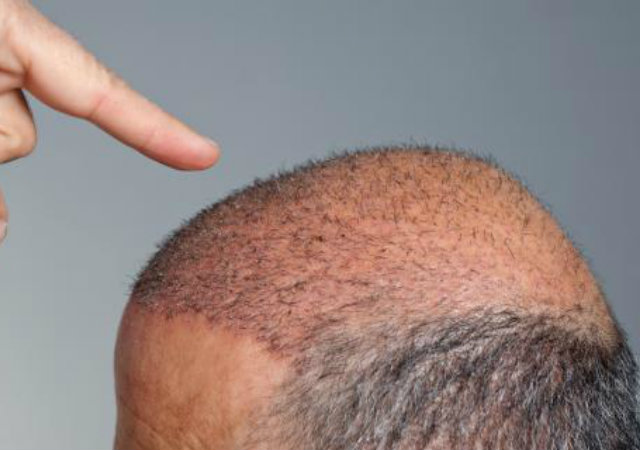
The medication helped stimulate regrowth in areas affected by immune-related follicle damage, supporting its mechanism as a selective JAK1/JAK2 inhibitor that targets inflammation at the root cause. The outcomes speak for themselves:
-
Around 80% of patients experienced partial hair regrowth, noticing substantial improvement in density and scalp coverage.
-
Approximately 30% achieved complete or near-complete hair recovery, regaining visible confidence and quality of life.
These clinical results represent a major advancement for people struggling with alopecia areata, a condition often associated with emotional distress and limited treatment options. Moreover, long-term follow-up data continue to support Olumiant’s consistent effectiveness and safety profile over time.
Through the BRAVE-AA studies, Eli Lilly has reinforced its commitment to scientific innovation and patient well-being. Olumiant’s proven ability to promote meaningful hair regrowth not only marks a turning point in dermatological care but also offers renewed hope to thousands of patients worldwide.
How it compares to other JAK inhibitors

Olumiant stands out as the first and only FDA-approved JAK inhibitor for alopecia areata, a recognition based on extensive clinical evidence from the BRAVE-AA trials. It offers a higher regrowth rate and a generally well-tolerated safety profile, with mild side effects such as fatigue or headache in some patients.
In contrast, Tofacitinib (Xeljanz), although used off-label for alopecia areata, has not yet received official FDA approval for this indication. Its results show moderate effectiveness but come with a greater risk of infections, making it less favourable for long-term use without medical supervision.
| Drug | Brand | FDA Approval | Effectiveness | Side Effects |
|---|---|---|---|---|
| Baricitinib | Olumiant | Yes (2022) | 60–80% regrowth | Mild fatigue |
| Tofacitinib | Xeljanz | No | 50–60% regrowth | Infection risk |
- Mechanism of action: Olumiant targets specific pathways in the immune response, which may provide a more focused approach than broader immunosuppressive therapies like corticosteroids.
- Efficacy: Clinical studies have shown that Olumiant can lead to significant hair regrowth in many patients, with some achieving over 80% scalp coverage. This level of effectiveness may exceed that of other treatments, such as topical minoxidil or corticosteroids, particularly for moderate to severe cases.
- Administration: Unlike some treatments that require frequent visits for injections or applications, Olumiant is taken orally, providing a convenient option for patients.
- Side effects: While all treatments have potential side effects, Olumiant may present different risks compared to traditional therapies, as mentioned before. For example, it carries a risk of serious infections due to immune suppression, similar to other JAK inhibitors.
Dosage, safety and medical advice
Olumiant (Baricitinib) must be prescribed and monitored by a qualified healthcare professional. It is not an over-the-counter medication, and its use requires careful assessment of each patient’s medical history and current health status. The treatment plan should be personalised, taking into account the severity of the condition, other ongoing medications, and potential risk factors.
For patients with alopecia areata, the recommended dosage is usually 2 mg or 4 mg once daily, depending on the individual’s response and tolerance. The tablets are taken orally, with or without food, preferably at the same time each day to maintain steady levels in the bloodstream. In some cases, physicians may start with a lower dose to monitor tolerance before increasing it gradually.

Because Olumiant influences the immune system, regular medical monitoring is essential. Doctors often request blood tests before and during treatment, including checks for liver enzymes, kidney function, and blood cell counts. These tests help ensure that the body is responding well and that there are no hidden complications such as elevated liver markers or low white blood cell levels. Patients should immediately report any unusual symptoms, such as persistent fatigue, fever, or unexplained bruising, to their healthcare provider.
Olumiant must not be used during pregnancy or breastfeeding, as studies suggest it could affect foetal development. Women of reproductive age should use effective contraception during treatment and for a period after discontinuation, as advised by their doctor. If pregnancy occurs, the treatment should be stopped, and medical advice should be sought immediately.
In addition, patients with chronic infections, hepatitis, or liver disease should be closely evaluated before starting Olumiant. Because the drug can slightly reduce immune defence, physicians usually recommend screening for tuberculosis and viral infections prior to initiation.



Responsable – CAPIL SOLUTIONS. S.L
*Términos y condiciones
Finalidad – Dar respuesta a las solicitudes de información, y poder enviarle nuestras publicaciones, promociones de productos y/o servicios, gestionar los comentarios en el blog
Derechos Arco - Acceder, rectificar y suprimir los datos, así como otros derechos, como se explica en la información adicional.
info@capilclinic.us
Legitimación – Consentimiento
Destinatarios – No se cederán datos a terceros salvo obligación legal
Política de privacidad – Puede consultar nuestra política de privacidad aquí
*Política de privacidad