

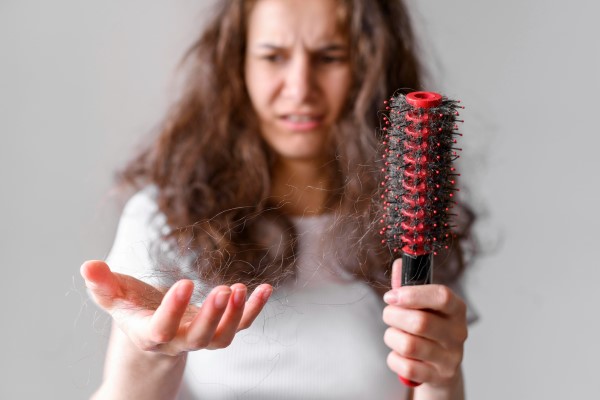
Genetics, hormonal imbalances, autoimmune disorders, stress, and nutritional deficiencies can all cause premature alopecia. Certain medications also trigger premature hair loss, such as chemotherapy drugs or medications for autoimmune conditions.
These factors contribute to hair falling out or thinning earlier than expected, usually before the age of 30. Doctors and medications sometimes induce premature alopecia. Chemotherapy treatments and autoimmune drugs actively cause hair to fall out prematurely.
What causes Premature Alopecia?

Genetics often contributes to premature hair loss. A family history of androgenetic alopecia, the most common type of heredity hair thinning, can be passed down. Furthermore, this pattern of receding hairlines and balding crowns predominantly affects men. However, women similarly develop a widening part and diffuse thinning through genetic predisposition as well.
In addition, hormonal imbalances frequently trigger premature alopecia. For instance, polycystic ovary syndrome regularly induces high androgen levels leading to scalp hair shedding and unwanted facial/body hair growth in women. Moreover, thyroid abnormalities regularly cause hormonal disturbances resulting in hair loss.
Likewise, autoimmune disorders commonly cause premature alopecia. Alopecia areata characteristically attacks hair follicles, subsequently creating bald spots on the scalp, face, or elsewhere. The autoimmune response sometimes progresses to total scalp or complete body hair loss.
Moreover, chronic stress regularly induces premature hair shedding. High physical or emotional stress commonly disrupts the typical hair cycle by pushing an excessive number of follicles into the telogen or shedding phase. This stress-related shedding typically reverses once the stress is reduced or eliminated.
Other important factors

A lack of certain key nutrients contributes to premature hair shedding and thinning. Iron deficiency aggressively causes hair to fall out more easily due to iron’s crucial role in hair growth. Zinc regulation maintains oil production that nourishes hair follicles. Without sufficient zinc, the scalp disrupts this process, weakening hair. Biotin deficiency strongly impacts hair, skin, and nails since this B-vitamin is essential for keratin production.
Remember: Low protein intake also promotes hair loss because hair relies on sufficient protein levels.
Certain medications play an aggressive role in depleting the hair. Chemotherapy drugs purposefully target fast-replicating cancer cells but inadvertently damage hair follicles that replicate quickly. Blood thinners, retinoids, and some antidepressants also actively induce hair shedding as a side effect. These medical treatments aimed at other conditions end up waging an assault on the scalp directly or through hormonal influence.
Addressing underlying nutritional imbalances or medication changes could help combat hair loss triggered by these active culprits.
How to treat premature baldness?
Premature baldness can significantly distress those affected. Genetic and hormonal factors commonly collaborate to miniaturize follicles, resulting in progressively shorter, finer hairs until growth fully halts. This condition is difficult to accept at a young age.
1. Assessing your hair loss

Premature baldness causes great distress. Carefully examine the pattern and severity of thinning to understand your situation. Look for genetic and hormonal factors at play. This evaluation establishes a baseline.
2. Considering medication
Review FDA-approved options like finasteride and minoxidil. Finasteride works by blocking DHT, while minoxidil stimulates regrowth through topical application. Studies show their effectiveness if used consistently for months. Weigh these nonsurgical treatments.
3. Starting treatment
Obtain a prescription if using finasteride. Order minoxidil online or from a store. Carefully follow application instructions for desired results. Maintain a regimen and track any changes over the initial 3-6 month period. Patience is key here.
4. Assessing progress
After several months, re-examine your hair to gauge treatment response. Take photos for comparison. Consult your doctor about the outcome. Continued lack of progress may suggest exploring alternative options.
5. Considering transplant
For severe cases unresponsive to medication, a hair transplant presents the next step. Research clinics and costs to determine feasibility. The multi-stage procedure extracts and implants follicular units for natural growth.
6. Recovering from transplant

Heed all post-operative care instructions. The weeks following involve dressings, limited activity and medication. Supportive self-care hastens recovery. New hairs will emerge over 6-12 months as transplanted follicles mature.
Other ways to treat premature alopecia
Capillary micropigmentation provides a non-surgical option to treat hair loss. This procedure tattoos minute dots resembling follicles across the scalp to achieve the look of a full head of hair. While less invasive and costly than transplants, touch-ups are needed due to their temporary nature. However, micropigmentation presents a simple cosmetic solution.
In addition, certain lifestyle changes may also help slow loss. Reducing stress is important since high cortisol levels can damage follicles. Moreover, a nutritious diet rich in iron, zinc and biotin delivers the nutrients needed to promote healthy growth. Proper sleep further aids hair health. While not cures, diet and stress management modifications provide natural complementary approaches.
With a variety of alternatives available today, people experiencing premature baldness need not feel helpless. Both medical and wellness-focused options exist to confidently manage hair loss.

Last but not least, you must know that not all treatments will work for everyone, and it’s best to consult with a dermatologist or hair loss specialist to determine the best course of treatment for your specific case. They can help you decide which treatment option is right for you based on the extent of your hair loss, your age, and other factors.
Types of Premature Alopecia
There are several categories of premature alopecia that can cause distressing hair loss at a young age. Understanding the different types is key to properly diagnosing the condition and determining the best treatment approach.
Androgenetic Alopecia
Androgenetic alopecia, also called male or female pattern baldness, predominantly affects those with a family history of the condition. For men, it commonly induces a receding hairline and thinning crown. In women, it tends to cause a widening part and diffuse shedding over the scalp. Hair loss follows a classic pattern in both sexes.
This type of alopecia is caused by a combination of genetic traits and dihydrotestosterone (DHT), a form of the hormone testosterone. DHT binds to follicles in the scalp, causing them to shrink and produce thinner hair strands over time. Eventually hair stops growing in affected areas, leading to the characteristic baldness patterns seen.
Telogen Effluvium
Times of physical or emotional stress can induce telogen effluvium, resulting in an excess of hairs entering the shedding (telogen) phase of the hair growth cycle. This causes a temporary increase in hair shedding and thinning all over the scalp. The condition reverses once the stress is removed.
In telogen effluvium, stress causes an abnormal number of follicles to be kicked into telogen or rest phase prematurely. When these hairs are then shed en masse over the following 1-3 months, it leads to diffuse shedding and thinning. Minor periodic stressors may cause episodic effluvium, while severe stress like childbirth or surgery can induce more persistent shedding.
Alopecia Areata
An autoimmune disorder, alopecia areata attacks healthy hair follicles, leaving smooth bald patches of varying sizes on the scalp and occasionally other areas. Mild cases involve only a few small spots while severe forms like alopecia totalis (no scalp hair) or alopecia universalis (no hair on the entire body) exist.
The body’s immune system mistakenly targets hair follicles for destruction, causing localized hair loss. Although the exact cause is unknown, genetic and environmental factors are believed to play a role in triggering this autoimmune response. Spontaneous regrowth often occurs, but major stress can cause relapse of bald patches.
Traction Alopecia

Repetitive pulling or tight braiding/wearing of black hairstyles induces traction on follicles, damaging and inflaming them. Over time, this causative trauma can lead to permanent scarring and hair loss. It primarily impacts those with tightly coiled or curly hair.
Chronic tension from tight hairstyles generates friction and inflammation at the scalp over months to years. This damages the follicles and surrounding tissues. If left untreated, it can result in permanent miniaturization and scarring, medically classified as cicatricial or scarring alopecia. Loosen hairstyles and minimize other tractional forces to prevent progression.
Faq’s
How long will it take to see results from treatment?
This varies depending on the option chosen. Medications typically require 3-6 months of consistent use before noticing changes. Cosmetic procedures provide an immediate effect but require maintenance. Hair transplants take 6-12 months to fully mature. Patience is key.
Is premature alopecia preventable?
While heredity and medical conditions cannot be prevented, lifestyle factors like stress, nutrition and hairstyling can be modified to reduce risk. Early treatment also aims to stop loss from progressing. Leading a healthy lifestyle supports scalp and hair health overall.
What age is considered premature hair loss?
Most sources define premature alopecia as noticeable hair thinning or baldness occurring before the age of 30 in men, and before menopause in women. Earlier onset under 21 is very premature. Genetics are usually the main differentiator of “premature” hair loss.
Conclusion
While premature alopecia can be distressing, there is hope. By determining the underlying cause, proper treatment tailored to each individual situation can be very effective. Lifestyle modifications also play an important supportive role. For those who do not respond fully to medications, cosmetic and surgical options exist to restore confidence. With guidance from a specialist, managing hair loss at a young age is certainly possible.


Responsable – CAPIL SOLUTIONS. S.L
*Términos y condiciones
Finalidad – Dar respuesta a las solicitudes de información, y poder enviarle nuestras publicaciones, promociones de productos y/o servicios, gestionar los comentarios en el blog
Derechos Arco - Acceder, rectificar y suprimir los datos, así como otros derechos, como se explica en la información adicional.
info@capilclinic.us
Legitimación – Consentimiento
Destinatarios – No se cederán datos a terceros salvo obligación legal
Política de privacidad – Puede consultar nuestra política de privacidad aquí
*Política de privacidad